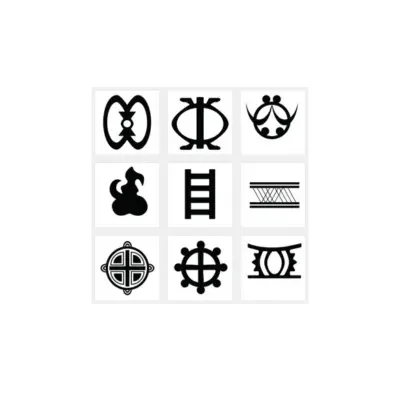

Adinkra symbols are visual icons that express African philosophy, cultural values, and ancestral wisdom. They originate from the Akan people of Ghana and Côte d’Ivoire, where they were first used on ceremonial cloth worn by royalty and spiritual leaders. Over the years, these symbols moved beyond traditional textiles and found a place in modern design, appearing in logos, tattoos, fashion, décor, and digital media.
Each Adinkra symbol carries a specific meaning. Many are linked to well-known Akan proverbs, expressing ideas about leadership, resilience, unity, moral responsibility, and spirituality. Because a single symbol can communicate a complete concept, Adinkra designs continue to influence artists, educators, historians, and brands around the world.
Why Adinkra Symbols
- They preserve a long history of African knowledge and cultural identity.
- They connect communities across Africa and the global African diaspora.
- They offer strong visual impact for branding, architecture, décor, and design.
- They reflect deep philosophical ideas about life, tradition, and character.
Popular Adinkra Symbols
- Gye Nyame – Represents the supremacy and eternal presence of God
- Sankofa – Encourages learning from the past
- Dwennimmen – Symbolizes strength balanced with humility
- Adinkrahene – Associated with leadership, influence, and authority
Because of their meaning and timeless visual appeal, Adinkra symbols are widely used in university emblems, corporate identities, cultural initiatives, and emerging digital platforms. They serve as a powerful link between African heritage and modern innovation, making them valuable for education, design, branding, and cultural preservation.
129 Adinkra Symbols & Their Meanings
Below, we explore 129 Adinkra symbols, each accompanied by its meaning and deeper interpretation. Whether you seek wisdom, strength, resilience, or prosperity, these symbols offer insight into the rich heritage of African philosophy and identity.
Download the Complete Adinkra Symbols Guide (PDF)
Get all 129 Adinkra symbols with meanings in a clean, printable A4 PDF. Perfect for teaching, research, cultural studies, and quick reference.
Download PDF➡ Dive into the full list below and discover the meaning behind each Adinkra symbol!
| Adinkra Symbol | Meaning |
|---|---|
 1. Gye Nyame | “Except for God” – Symbol of the Supremacy of GodThis unique and beautiful symbol is ubiquitous in Ghana. It is by far the most popular for use in decoration, a reflection on the deeply religious character of the Ghanaian people. .Read the full Gye Nyame guide . |
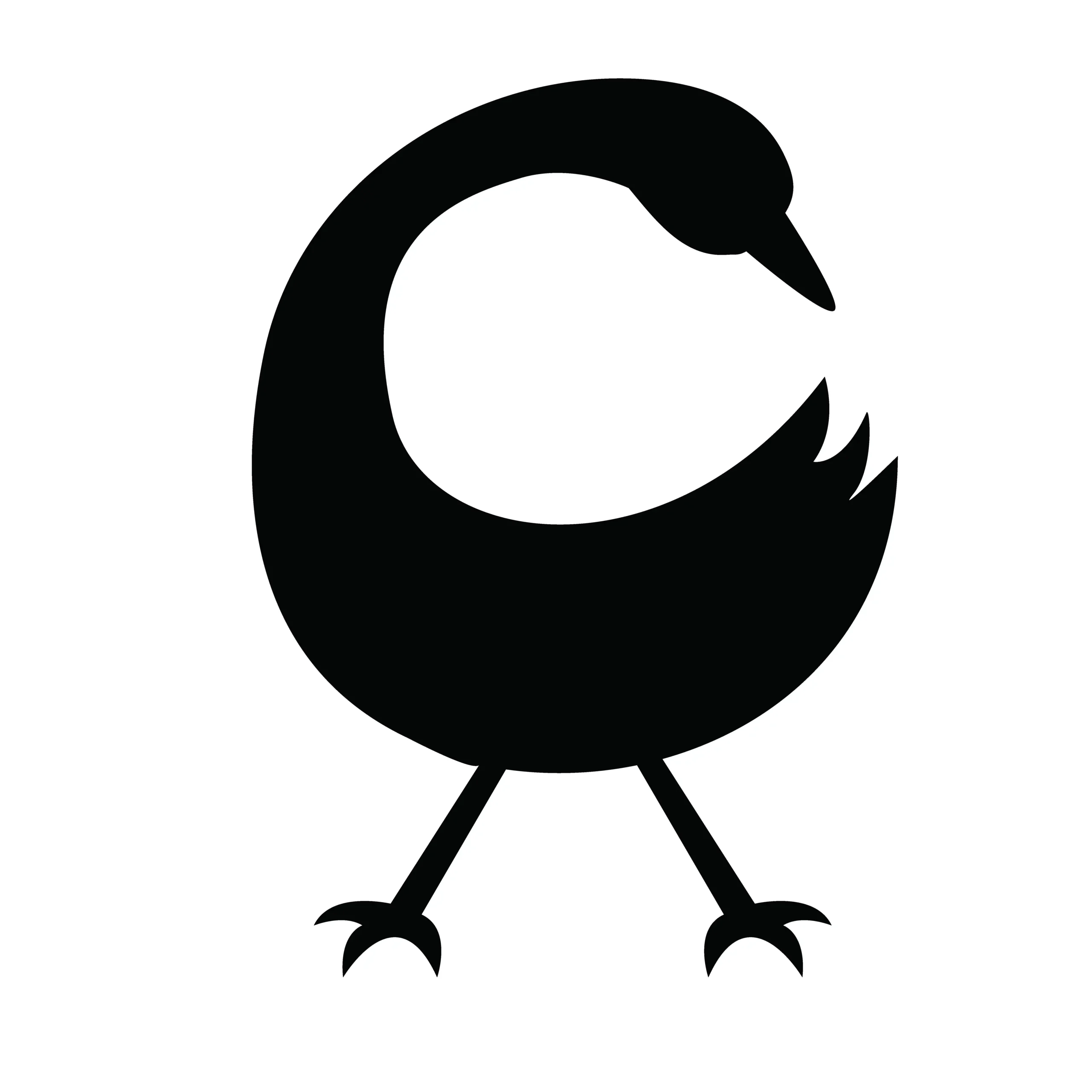 2. Sankofa (Bird) | “Return and get it” – Symbol of the importance of learning from the past. Sankofa is an African word from the Akan tribe in Ghana. The literal translation of the word and the symbol is “it is not taboo to fetch what is at risk of being left behind.” Essentially every experience in life should leave you wiser than it met you and even if it was a bad experience, you would have learnt not how to go about it. Read the full Sankofa guide . |
 3. Sankofa (Heart) | Stylized heart version of Sankofa, representing returning to one’s roots and drawing lessons from the past for the present and future. Read the full Sankofa guide . |
 4. Adinkrahene | “Chief of the Adinkra symbols” – Symbol of Greatness, Charisma and Leadership. This symbol is said to have played an inspiring role in the designing of other symbols. It signifies the importance of playing a leadership role in the community. Great leaders are charismatic, and this symbol exemplifies the honourable qualities of a good leader. Read the full Adinkrahene guide . |
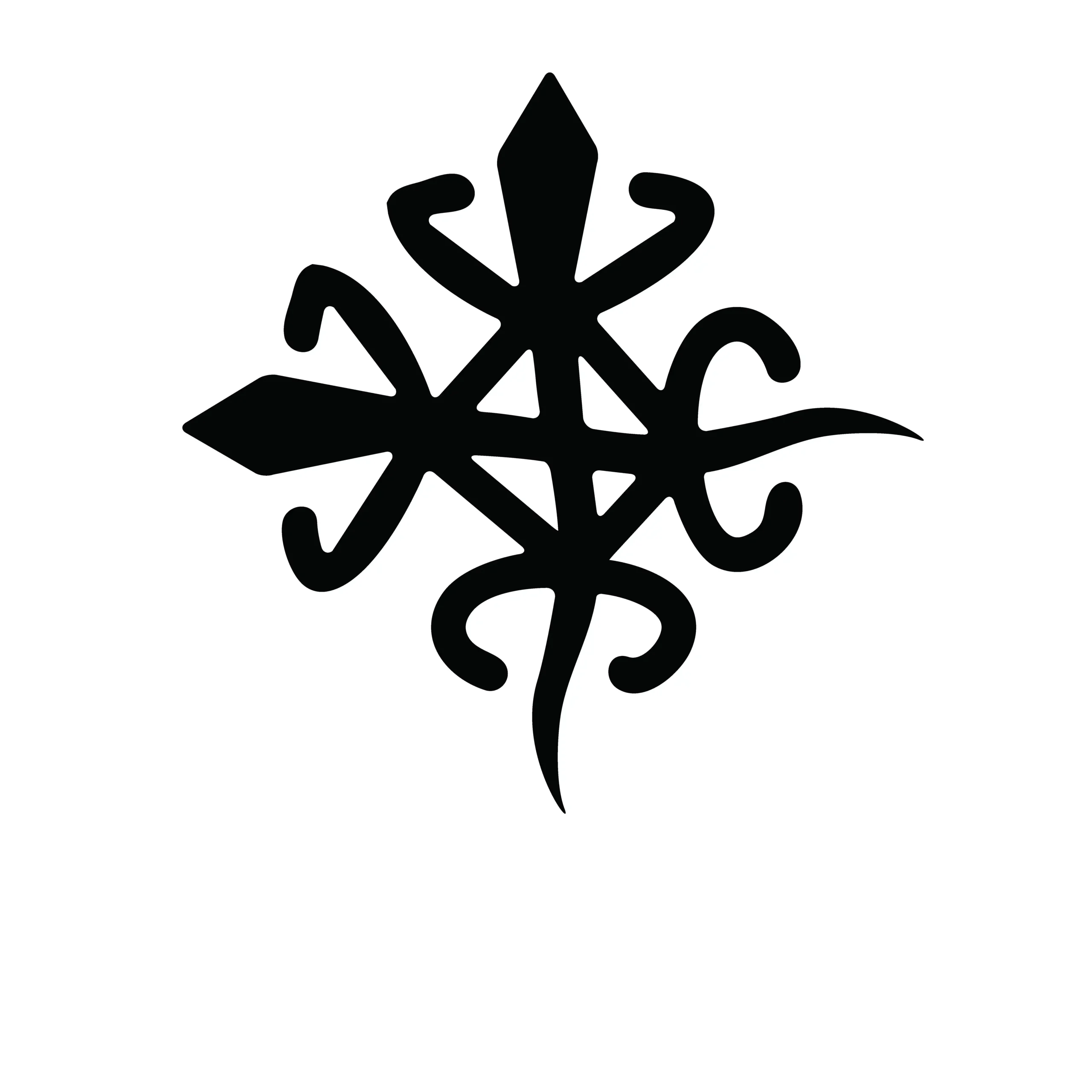 5. Funtunfunefu-Denkyemfunefu | “Siamese crocodiles” – Symbol of Democracy and Unity The Siamese crocodiles share one stomach, yet they fight over food. This popular symbol is a reminder that infighting and tribalism are harmful to all who engage in it. Read the full Funtunfunefu-Denkyemfunefu guide . |
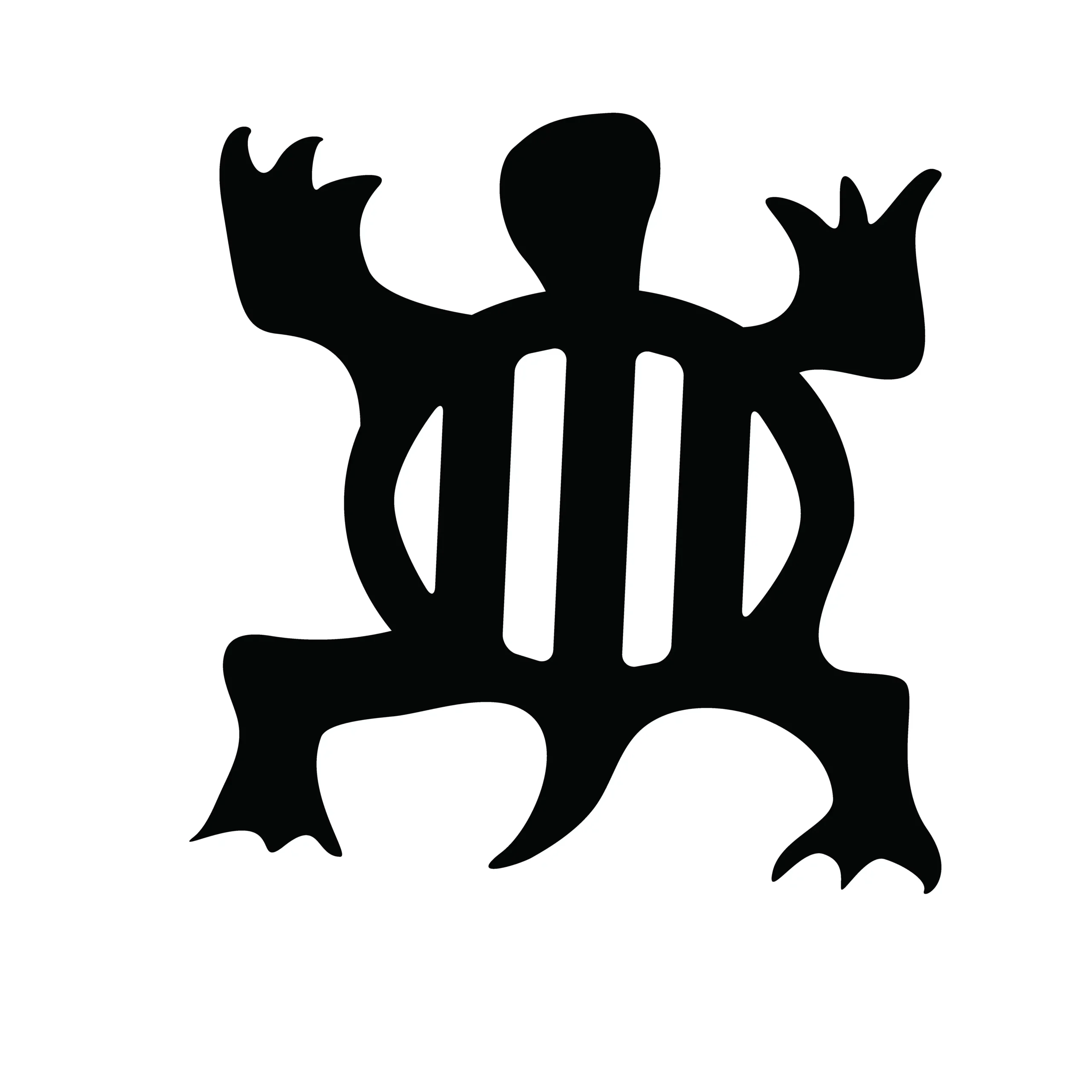 6. Denkyem | “Crocodile” – Symbol of adaptability. The crocodile lives in water but breathes air, showing the ability to adjust to circumstances.Read the full Denkyem guide . |
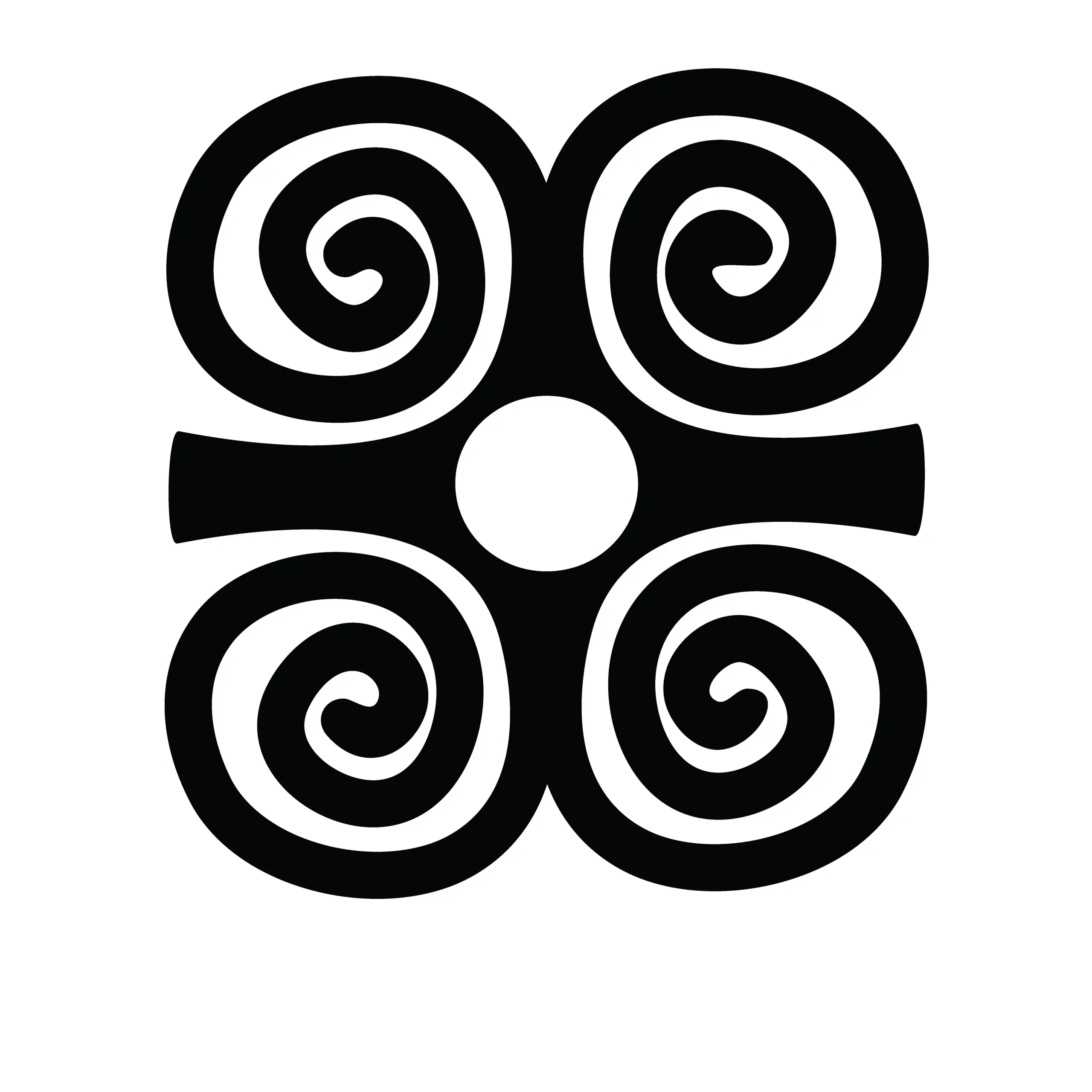 7. Dwennimmen | “Ram’s Horns” – Symbol of humility together with Strength The ram will fight fiercely against an adversary, but it also submits humbly to slaughter, emphasizing that even the strong need to be humble.Read the full Dwennimmen guide . |
 8. Akoma Ntoaso | “Linked Hearts” – Symbol of Understanding and Agreement This symbol represents harmony, togetherness, and reconciliation. It emphasizes the importance of peaceful coexistence, strong relationships, and mutual respect in building a united community.Read the full Akoma Ntoaso guide . |
 9. Nyame Nti | “By God’s Grace” – Symbol of faith and trust in God. Similar to Gye Nyame, According to The Adinkra Dictionary by W. Bruce Willis: “This stalk is depicted as the staff of life in many cultures. It symbolizes to the Akan that food is a basis of life and that they could not survive if not for the food that God has placed here on Earth for their nourishment.Read the full Nyame Nti guide . |
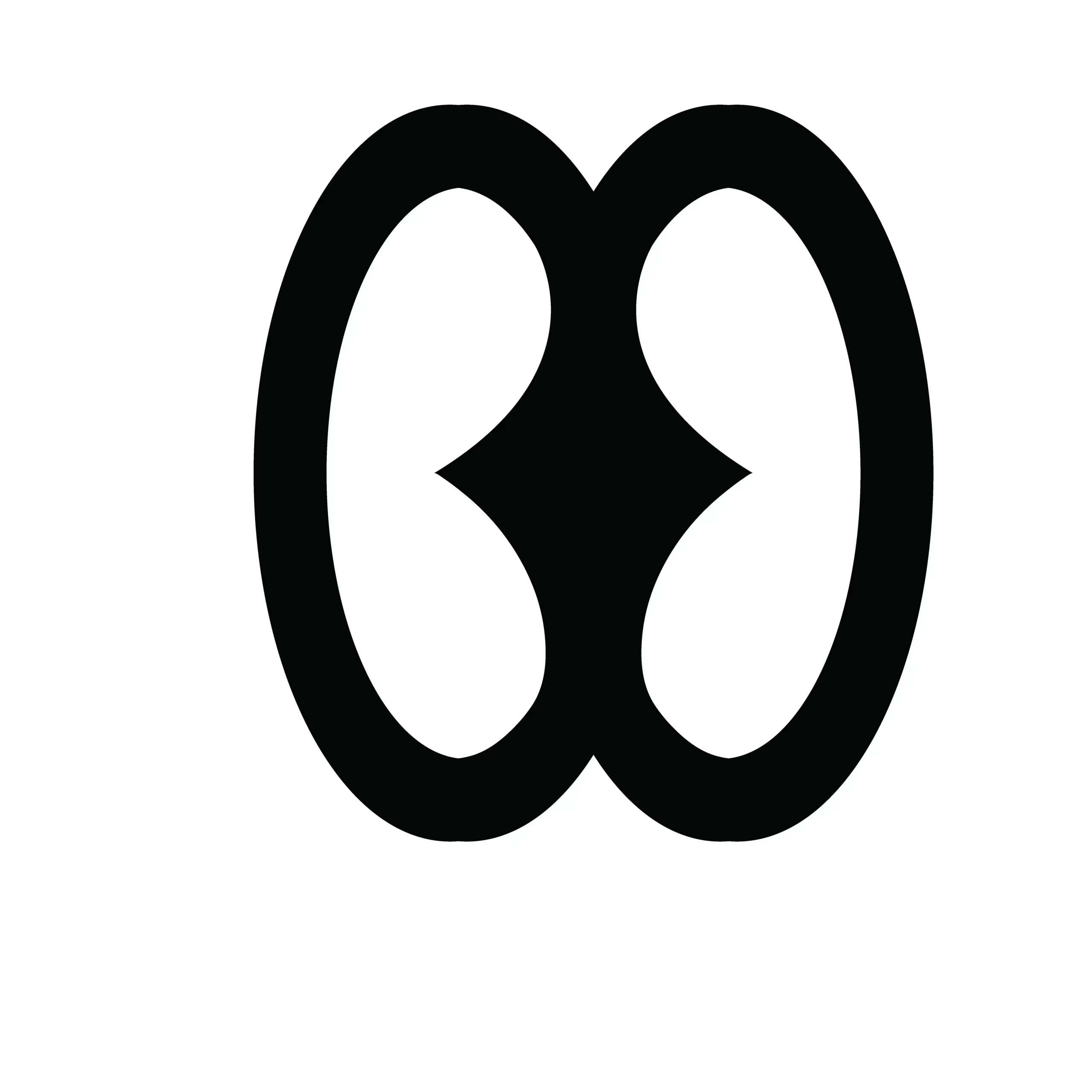 10. Nyame Biribi Wo Soro | “God is in the heavens” – Symbol of Hope. A reminder that God’s dwelling place is in heaven, where he can listen to all prayers.Read the full Nyame Biribi Wo Soro guide . |
 11. Nkyinkyim | “Twisting” – Symbol of Initiative, Dynamism and Versatility Twisting and turning. This symbol represents resilience, versatility, and the ability to adapt to change. It encourages innovation, flexibility, and perseverance in overcoming challenges and embracing new opportunities. Read the full Nkyinkyim guide . |
 12. Nsoromma | “Child of the heavens (stars)” – Symbol of Guardianship. A reminder that God is the father and watches over all people.Read the full Nsoromma guide . |
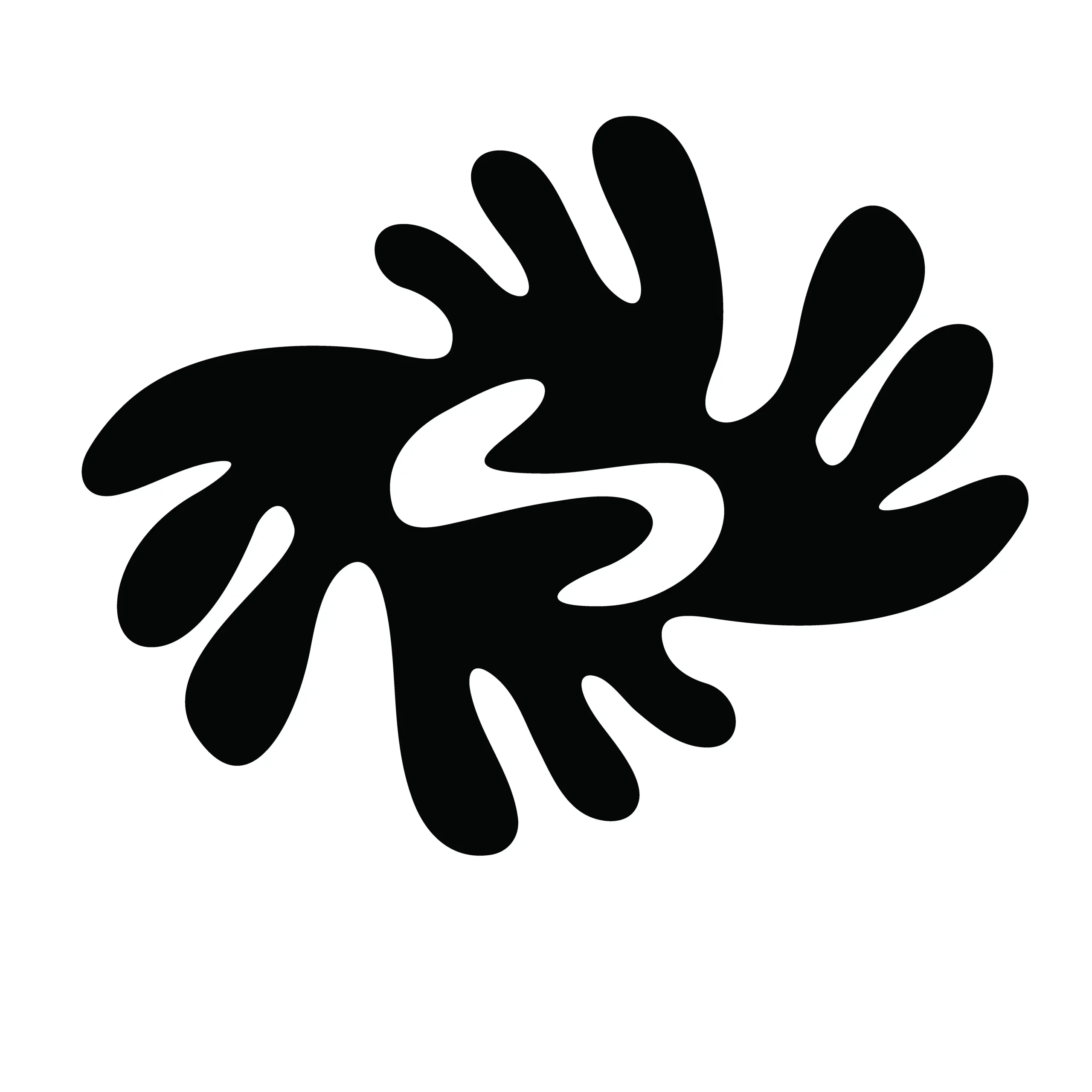 13. Bi Nka Bi | “No one should bite the other” – Symbol of Peace and Harmony. This symbol cautions against provocation and strife. The image is based on two fish biting each other tails.Read the full Bi Nka Bi guide . |
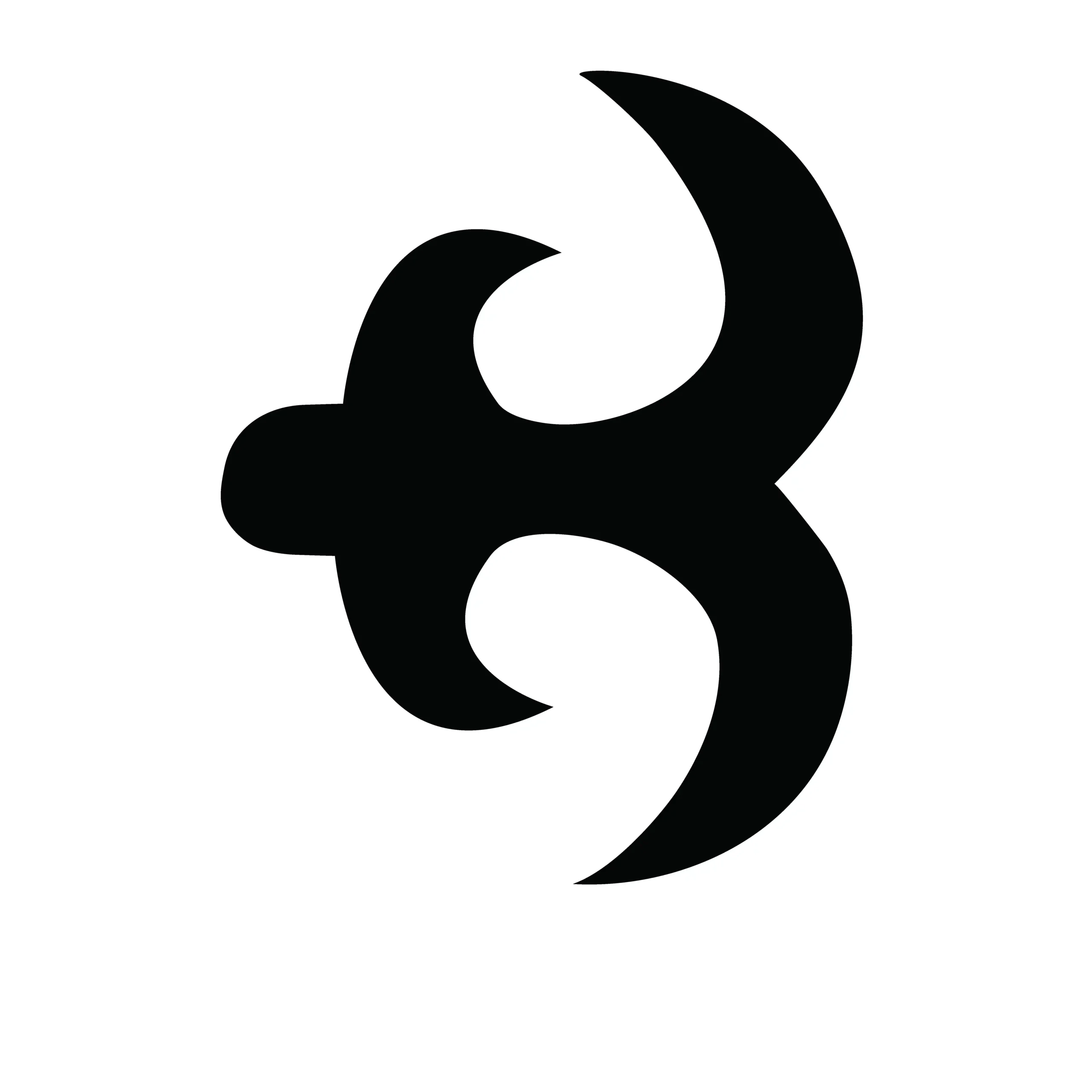 14. Akoko Nan | “The leg of a hen” – Symbol of Nurturing and Discipline. The full name of this symbol translates to “The hen treads on her chicks, but she does not kill them.” This represents the ideal nature of parents, being both protective and corrective. An exhortation to nurture children, but a warning not to pamper them. Read the full Akoko Nan guide . |
 15. Fihankra | “House/Compound” – Symbol of Security and Safety. Typical of Akan (Asante) architecture, the communal housing compound has only one entrance and exit. Read the full Fihankra guide . |
 16. Eban | “Fence” – Symbol of Love, Safety and Security. The home of the Akan is a special place. A home which has a fence around it is considered to be an ideal residence. The fence symbolically separates and secures the family from the outside.Because of the security and the protection that a fence affords, the symbol is also associated with the security and safety one finds in love.Read the full Eban guide . |
 17. Akoben | “War horn” – Symbol of Vigilance and Wariness. This symbol represents alertness, preparedness, and the call to action. It signifies courage, determination, and the readiness to face challenges head-on, whether in battle or in life’s struggles. Read the full Akoben guide . |
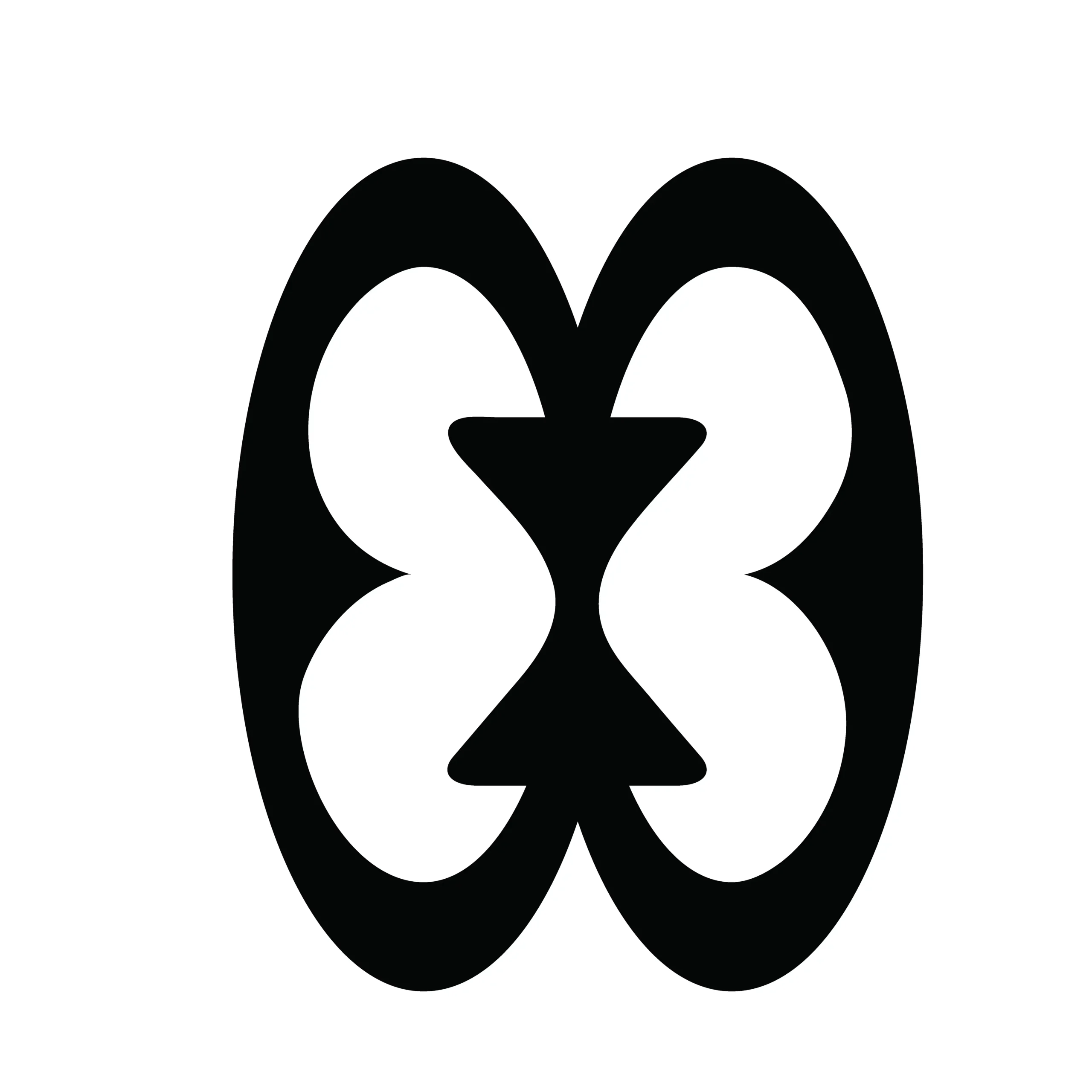 18. Nkonsonkonson | “Chain link” – Symbol of Unity and Human relations. A reminder to contribute to the community, and that in unity there is strength. This symbol represents alertness, preparedness, and the call to action. It signifies courage, determination, and the readiness to face challenges head-on, whether in battle or in life’s struggles.Read the full Nkonsonkonson guide . |
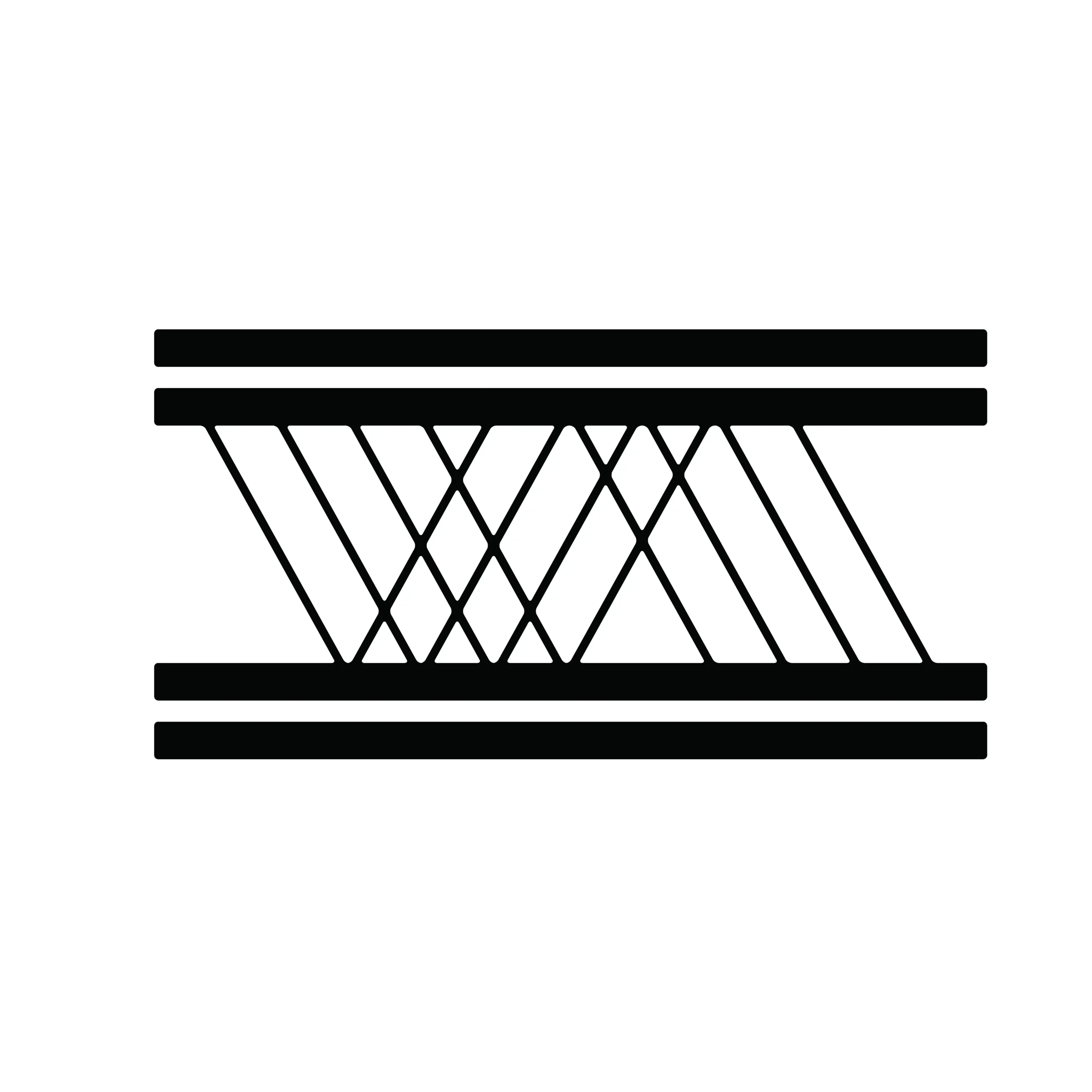 19. Owo Foro Adobe | “Snake climbing the raffia tree” – Symbol of Steadfastness, Prudence and Diligence. Because of its thorns, the raffia tree is a very dangerous challenge to the snake. Its ability to climb it is a model of persistence and prudence. Read the full Owo Foro Adobe guide . |
 20. Akoma | “The heart” – Symbol of Patience and Tolerance. According to Agbo, when a person is said to “have a heart in his stomach,” that person is very tolerant. Read the full Akoma guide . |
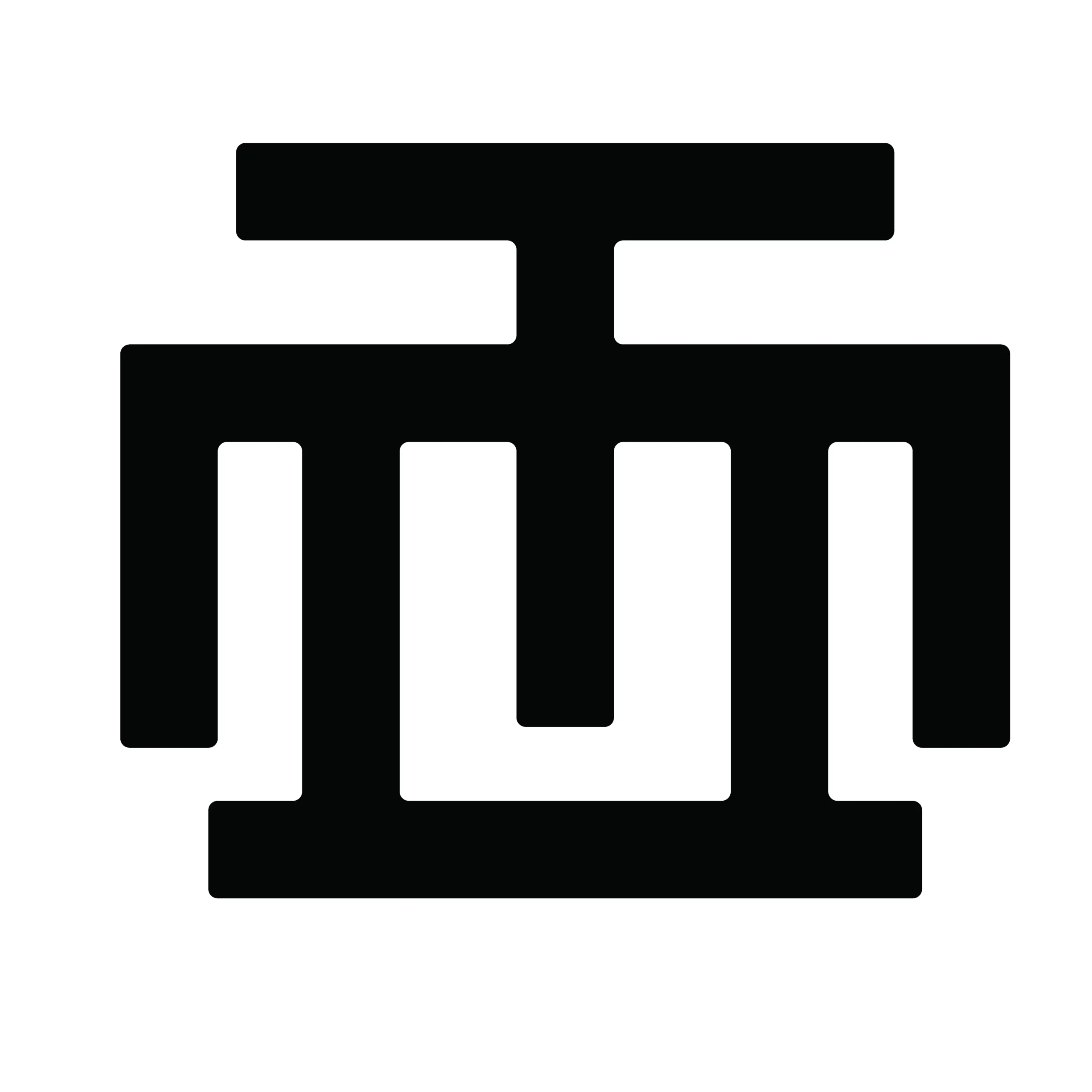 21. Hwe Mu Dua |
“Measuring stick” – Symbol of Examination and Quality Control.
This symbol stresses the need to strive for the best quality, whether in a production of goods or in human endeavors.
Read the full Hwe Mu Dua guide . |
 22. Hye Won Hye |
“That which does not burn” – Symbol of Imperishability and Endurance.
This symbol gets its meaning from traditional priests that were able to walk on fire without burning their feet, an inspiration to others to endure and overcome difficulties.
Read the full Hye Won Hye guide . |
 23. Fawohodie |
“Independence” – Symbol of Independence, Freedom, Emancipation.
From the expression: Fawodhodie ene obre na enam. Literal translation: “Independence comes with its responsibilities.”
Read the full Fawohodie guide . |
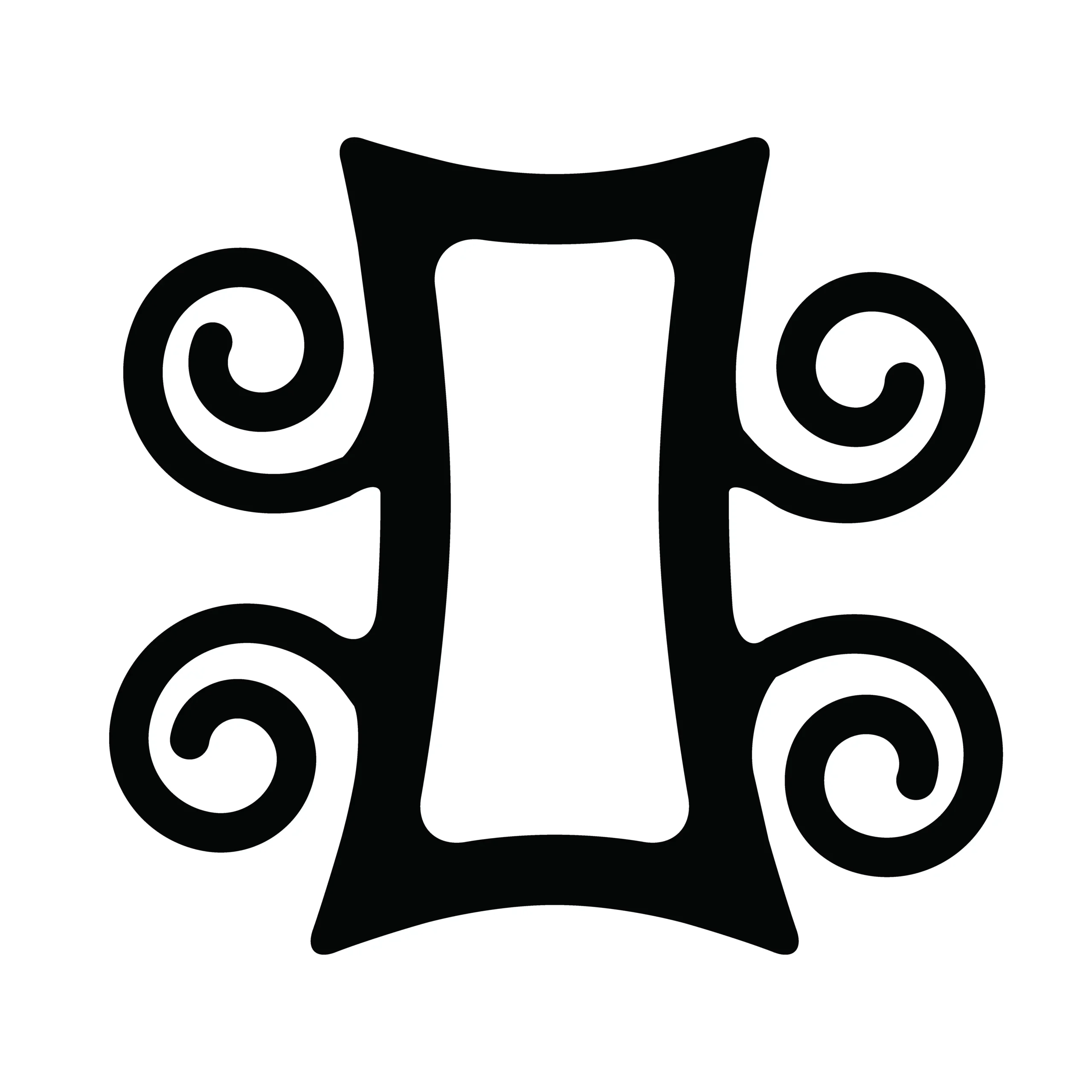 24. Tamfo Bebre |
“The enemy will stew in his own juice” – Symbol of Jealousy and Envy
The enemy will grumble. This symbol represents the reality of envy and opposition that comes with success. It serves as a reminder to stay vigilant, remain humble, and not let negativity deter progress.
Read the full Tamfo Bebre guide . |
 25. Duafe |
“Wooden comb” – Symbol of Beauty and Cleanliness; Symbols of desirable feminine qualities.
The meaning of this symbol is characterized slightly differently in “The Adinkra Dictionary” and “The Values of Adinkra Symbols”; the former emphasizes more abstract qualities of feminine goodness, love and care, while the latter has a more literal interpretation, looking one’s best and good hygiene. In any case, the duafe was a prized possession of the Akan woman, used to comb and plait her hair.
Read the full Duafe guide . |
 26. Mmusuyidee |
“That which removes bad luck” – Symbol of Good Fortune and Sanctity.
That which removes evil. This symbol represents purification, spiritual protection, and the warding off of misfortune. It emphasizes the importance of cleansing oneself from negativity and embracing positivity and righteousness.
Read the full Mmusuyidee guide . |
 27. Osram Ne Nsoromma |
“The moon and the star” – Symbol of Love, Faithfulness, Harmony.
This symbol reflects the harmony that exists in the bonding between a man and a woman.
Proverb: “Kyekye pe aware.” (The North Star has a deep love for marriage. She is always in the sky waiting for the return of the moon, her husband).
Read the full Osram Ne Nsoromma guide . |
 28. Kintinkantan |
“Puffed-up extravagance” – Symbol of Arrogance.
This symbol warns against pride, arrogance, and self-importance, encouraging humility, modesty, and respect for others as the path to true greatness.
Read the full Kintinkantan guide . |
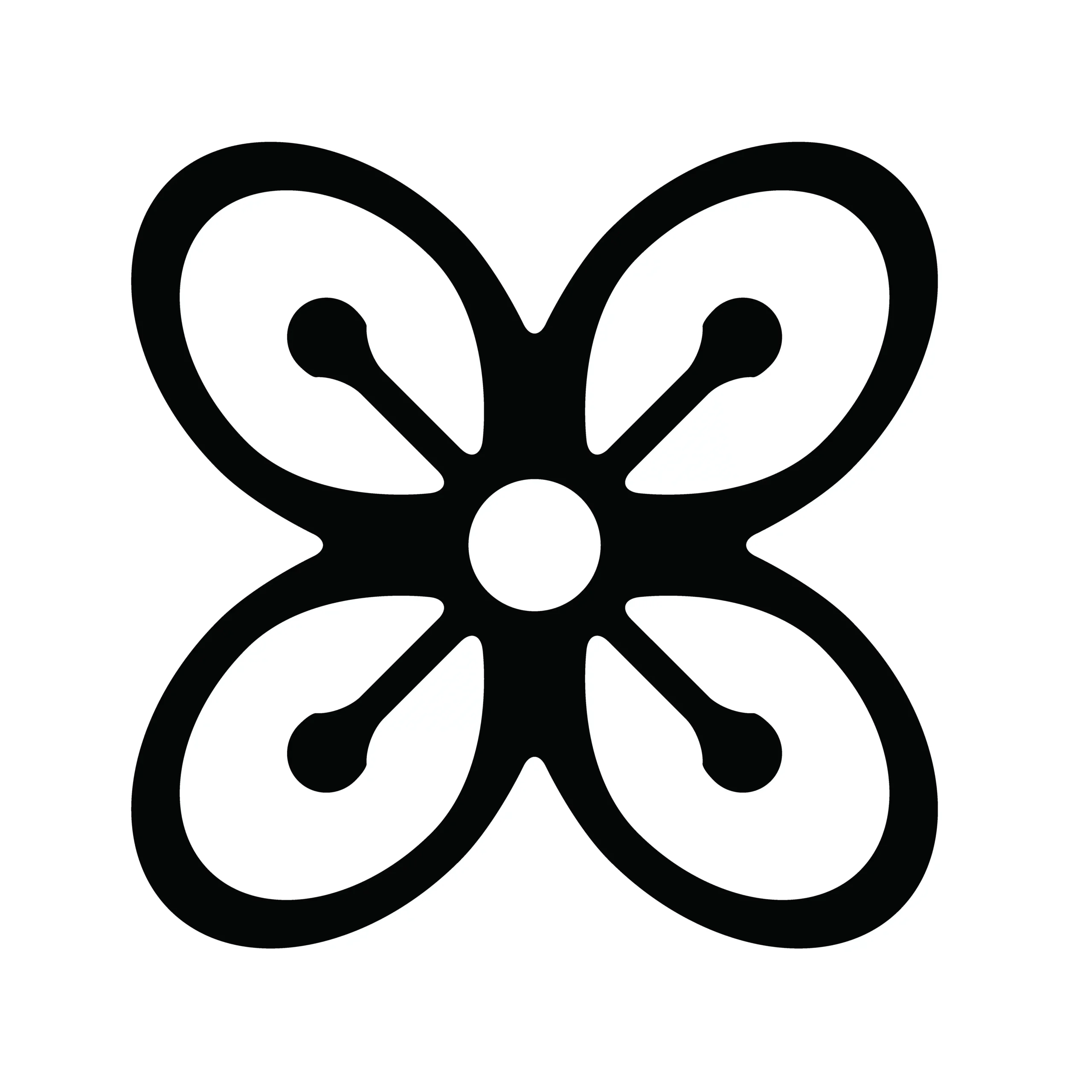 29. Bese Saka |
“Sack of cola nuts” – Symbol of Affluence, Power, Abundance, Plenty, Togetherness and Unity.
The cola nut played an important role in the economic life of Ghana. A widely-used cash crop, it is closely associated with affluence and abundance. This symbol also represents the role of agriculture and trade in bringing peoples together.
Read the full Bese Saka guide . |
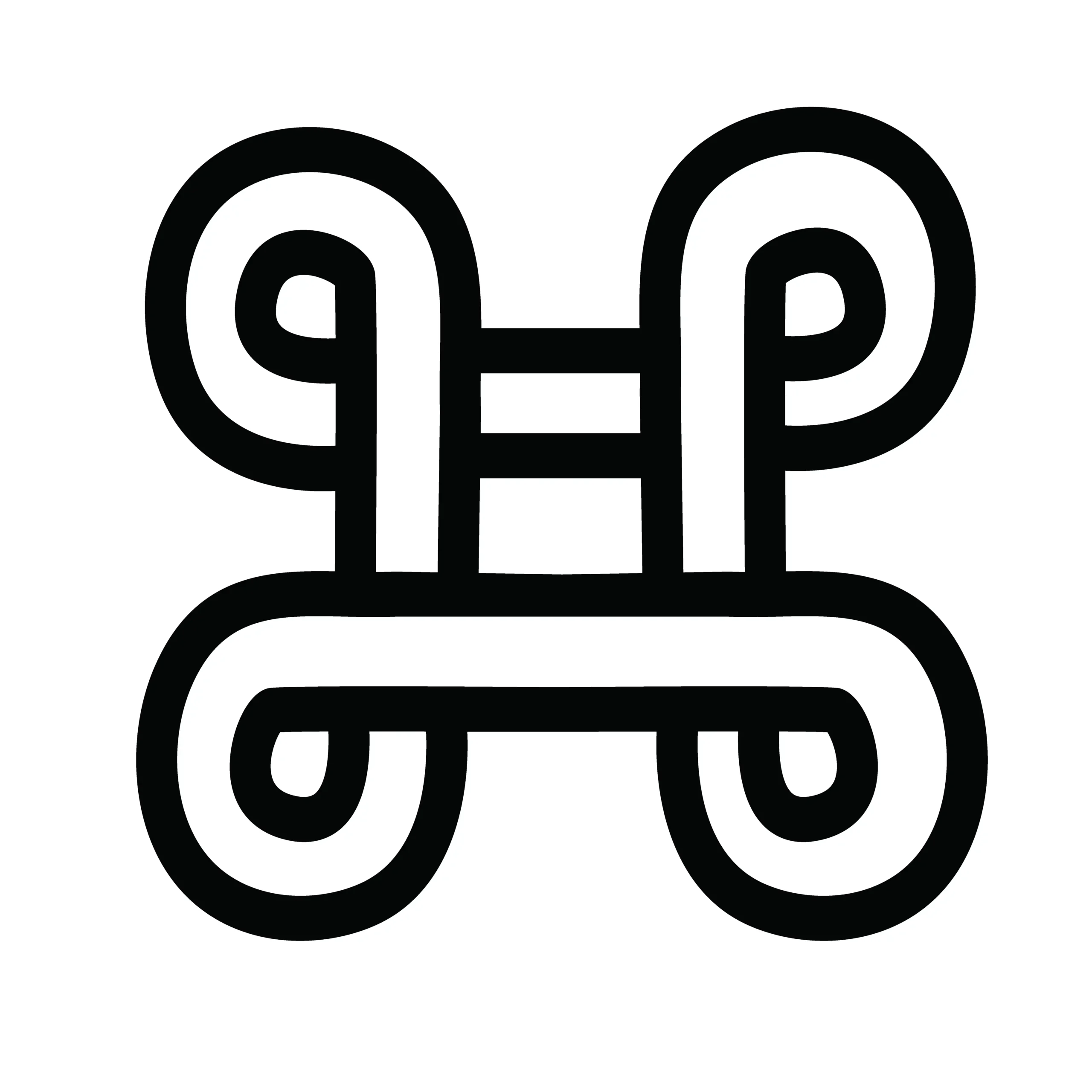 30. Mpatapo |
“Knot of pacification” – Symbol of Reconciliation, Peacemaking and Pacification.
Mpatapo represents the bond or knot that binds parties in a dispute to a peaceful, harmonious reconciliation. It is a symbol of peacemaking after strife.
Read the full Mpatapo guide . |
 31. Nsaa |
“A type of hand-woven fabric” – Symbol of Excellence, Genuineness, Authenticity.
According to “The Adinkra Dictionary” by W. Bruce Willis, the nsaa symbols reflect a saying: “nea onnim nsaa oto n’ago”, which he translates as “He who does not know authentic Nsaa will buy the fakes.” The quality of Nsaa has come to represent quality of workmanship in general.
Read the full Nsaa guide . |
 32. Nkyimu |
“Crossed divisions on Adinkra cloth” – Symbol of Skillfulness, Precision.
Before the Adinkra cloth is stamped with the symbols, the artisan blocks off the cloth with lines in a rectangular grid using a broad-tooth comb. This preparation is symbolic of the exacting technique which results in the highest quality product.
Read the full Nkyimu guide . |
 33. Sesa Wo Suban |
“Change or transform your character” – Symbol of Life Transformation.
This symbol combines two separate adinkra symbols: the “Morning Star,” representing a new beginning, placed inside a wheel symbolizing rotation or continuous movement.
Read the full Sesa Wo Suban guide . |
 34. Epa |
“Handcuffs” – Symbol of Law and Justice, Slavery and Captivity.
Adolph Agbo, in “Values of Adinkra Symbols,” notes that handcuffs were introduced in Africa during the slave trade and later became popular among chiefs for restraining offenders. “The symbol reminds offenders of the uncompromising nature of the law. It, however, discourages all forms of slavery.”
Read the full Epa guide . |
 35. Dame-Dame |
“Board game” – Symbol of Intelligence and Ingenuity.
Named after a traditional Ghanaian board game, this symbol represents the importance of strategic thinking, problem-solving, and wisdom in navigating life’s challenges. It encourages planning ahead, adaptability, and making smart decisions to achieve success.
Read the full Dame-Dame guide . |
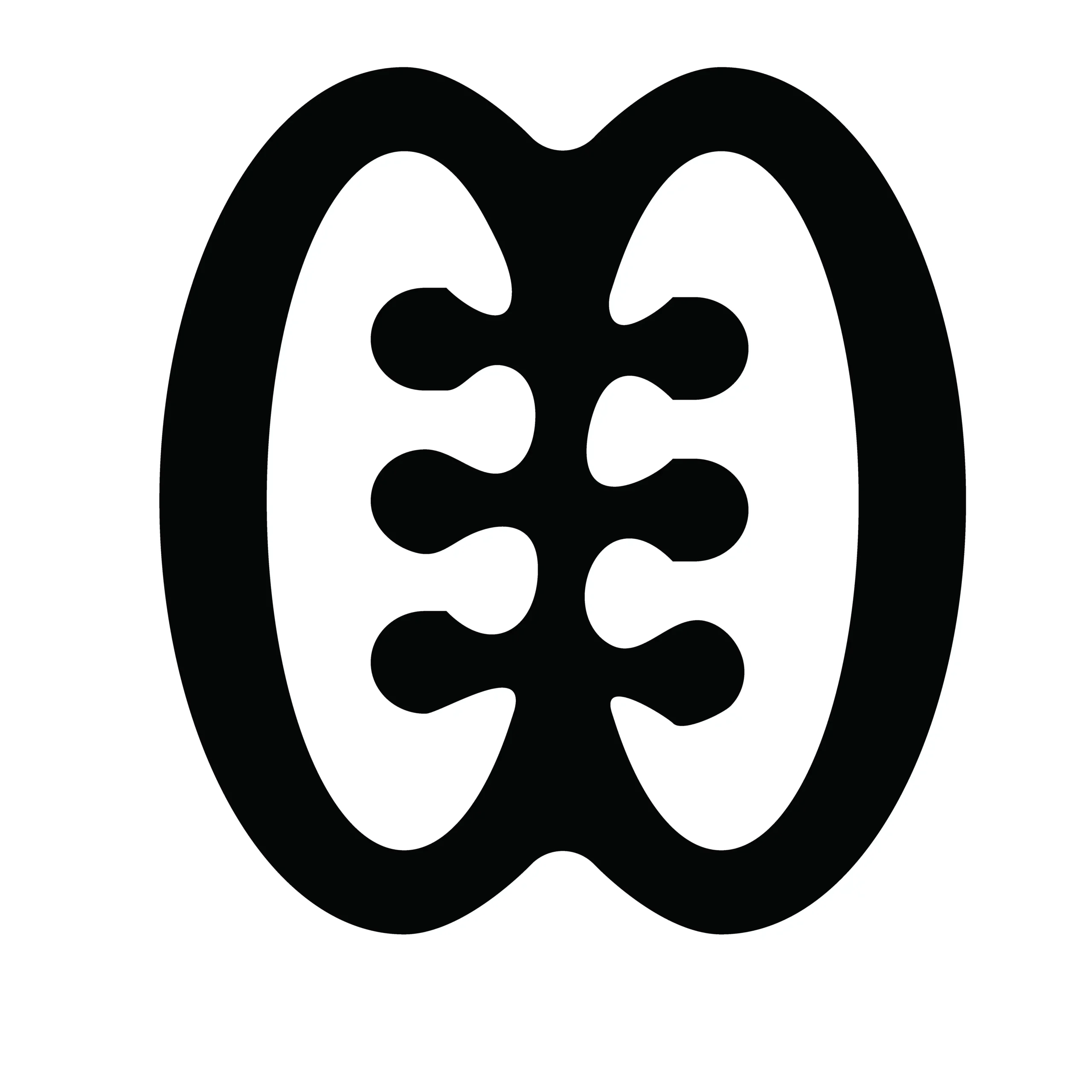 36. Ese Ne Tekrema |
“The teeth and the tongue” – Symbol of Friendship and Interdependence.
The teeth and the tongue play interdependent roles in the mouth. They may come into conflict, but they must work together.
Read the full Ese Ne Tekrema guide . |
 37. Nyame Nnwu Na Mawu |
“God never dies, therefore I cannot die” – Symbol of God’s omnipresence and the perpetual existence of man’s spirit.
This signifies the immortality of the human soul, believed to be part of God. Because the soul rests with God after death, it cannot die.
Read the full Nyame Nnwu Na Mawu guide . |
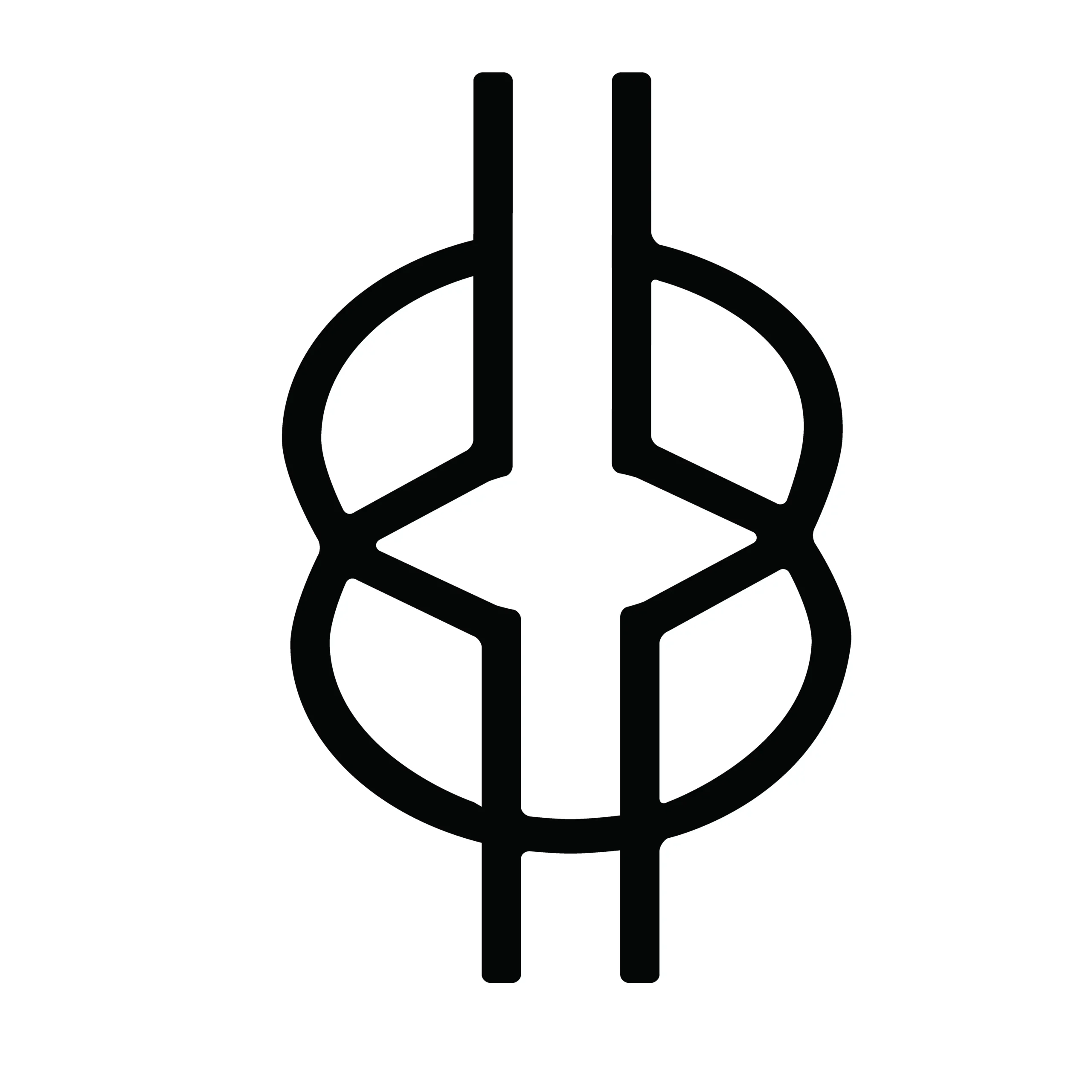 38. Nyansapo |
“Wisdom knot” – Symbol of Wisdom, Ingenuity, Intelligence and Patience.
An especially revered symbol of the Akan, it conveys the idea that “a wise person has the capacity to choose the best means to attain a goal.” Wisdom involves knowledge, experience, and the ability to apply them effectively.
Read the full Nyansapo guide . |
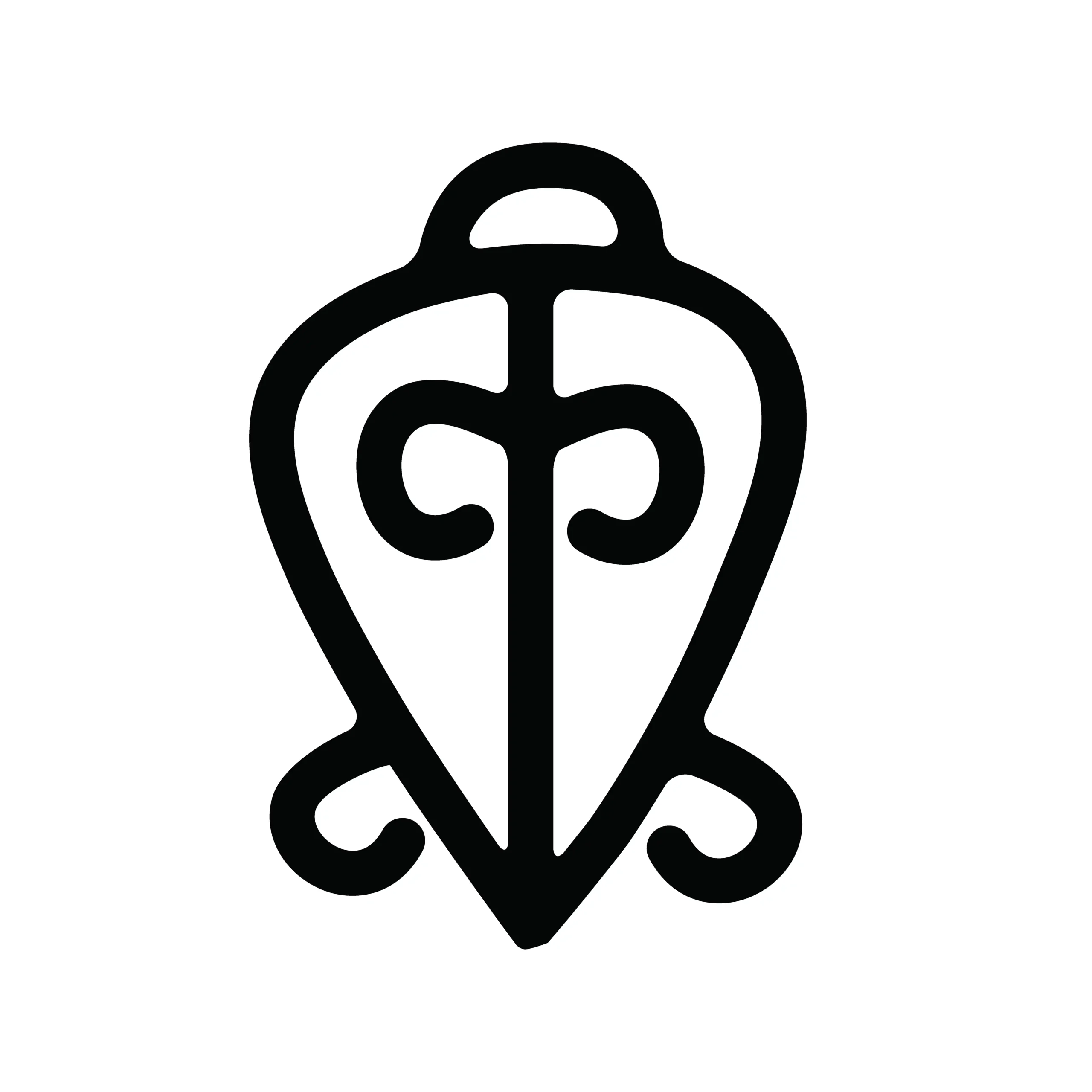 39. Odo Nnyew Fie Kwan |
“Love never loses its way home” – Symbol of the Power of Love.
This symbol represents enduring love, loyalty, and commitment. It signifies that true love always returns, overcoming obstacles and challenges.
Read the full Odo Nnyew Fie Kwan guide . |
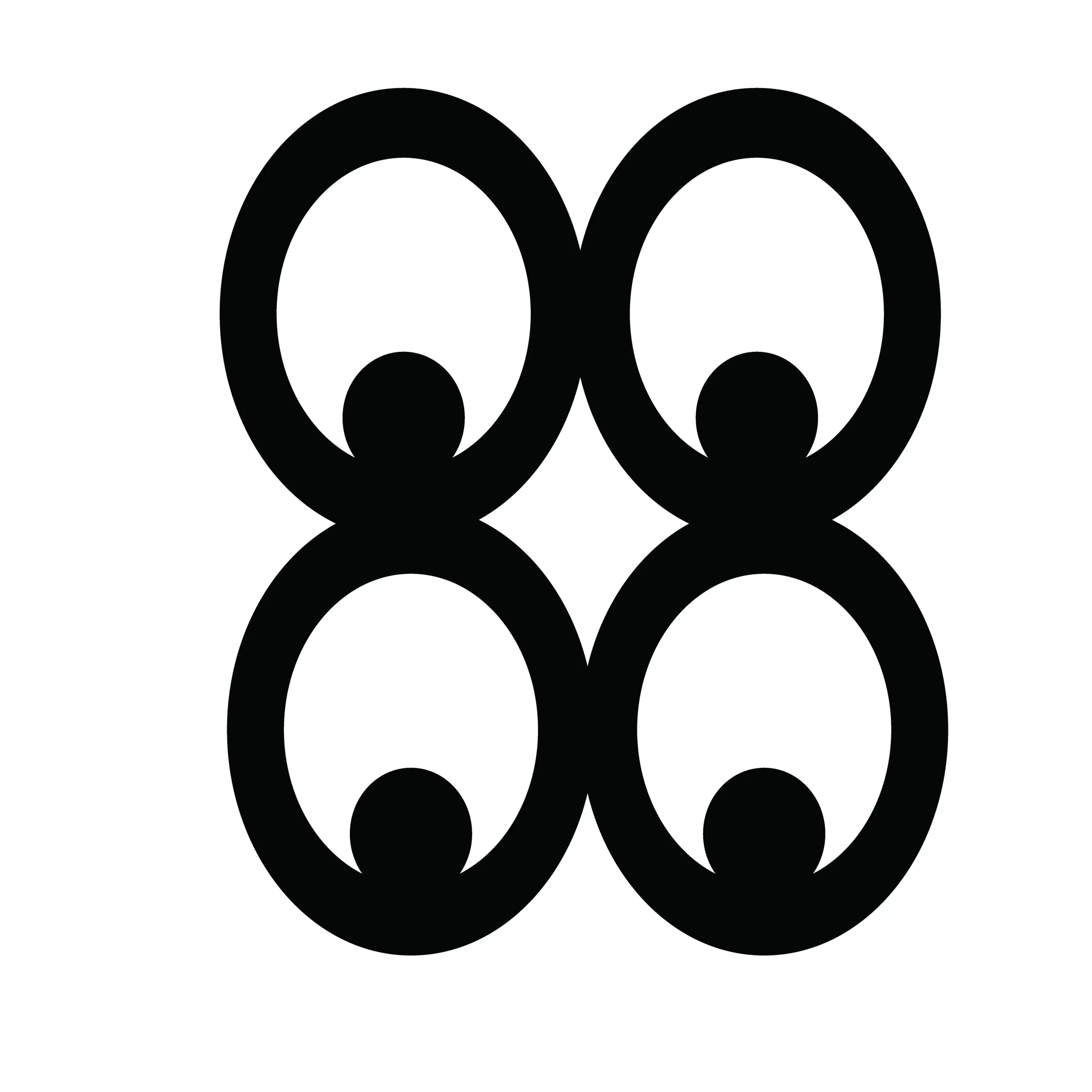 40. Mate Masie |
“What I hear, I keep” – Symbol of Wisdom, Knowledge and Prudence.
The implied meaning of the phrase “mate masie” is “I understand.” It represents wisdom, reflection, and the importance of listening with understanding.
Read the full Mate Masie guide . |
 41. Fofo |
“Yellow-flowered plant” – Symbol of Jealousy and Envy.
When the fofo’s petals drop, they turn into black spiky-like seeds. The Akan liken the nature of this plant to a jealous person. The Adinkra Dictionary by W. Bruce Willis. There is an Akan proverb associated with this symbol: “What the fofo plant wishes is that the gyinantwi seeds turn black.
Read the full Fofo guide . |
 42. Owuo Atwedee |
“The ladder of death” – Symbol of Mortality.
A reminder of the transitory nature of existence in this world and of the imperative to live a good life to be a worthy soul in the afterlife.
Read the full Owuo Atwedee guide . |
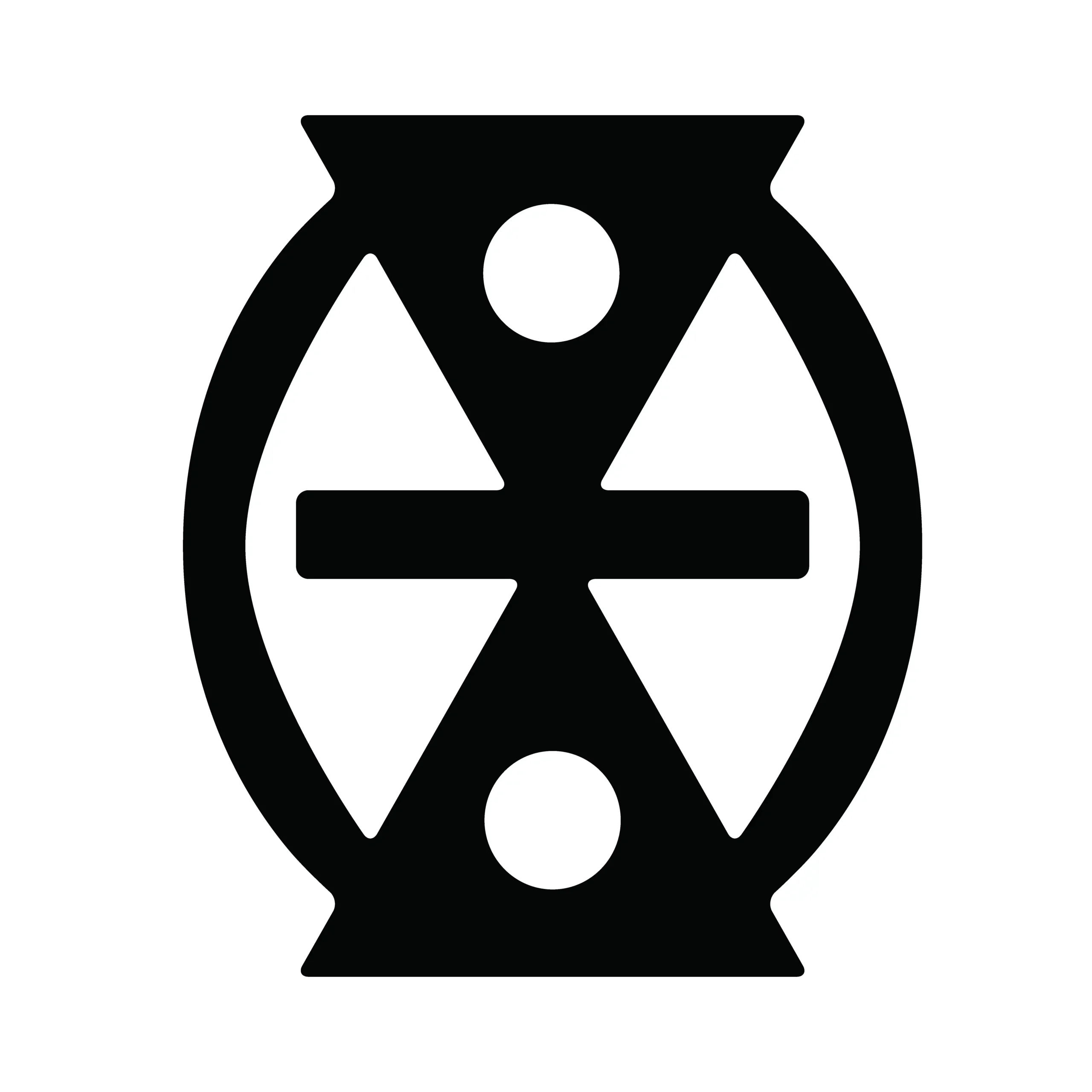 43. Mmere Dane |
“Time changes” – Symbol of Change, Life’s dynamics.
This symbol reflects the impermanence of life and the constant evolution of circumstances. It serves as a reminder to adapt, stay resilient, and embrace change as an inevitable part of growth.
Read the full Mmere Dane guide . |
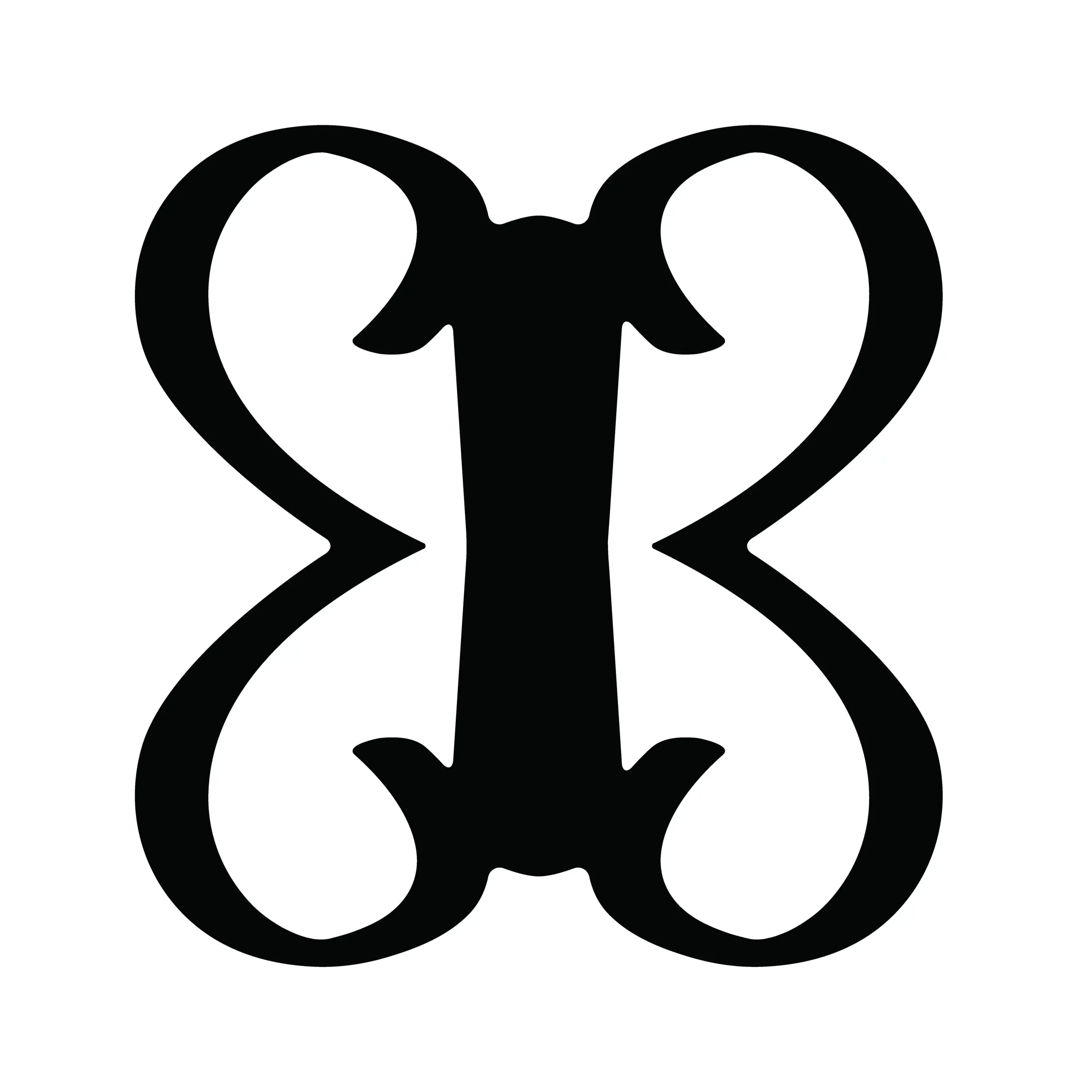 44. Pempamsie |
“Sew in readiness” – Symbol of Readiness, Steadfastness, Hardiness.
According to The Adinkra Dictionary, the design of this symbol resembles the links of a chain, and implies strength through unity as well as the importance of being prepared.
Read the full Pempamsie guide . |
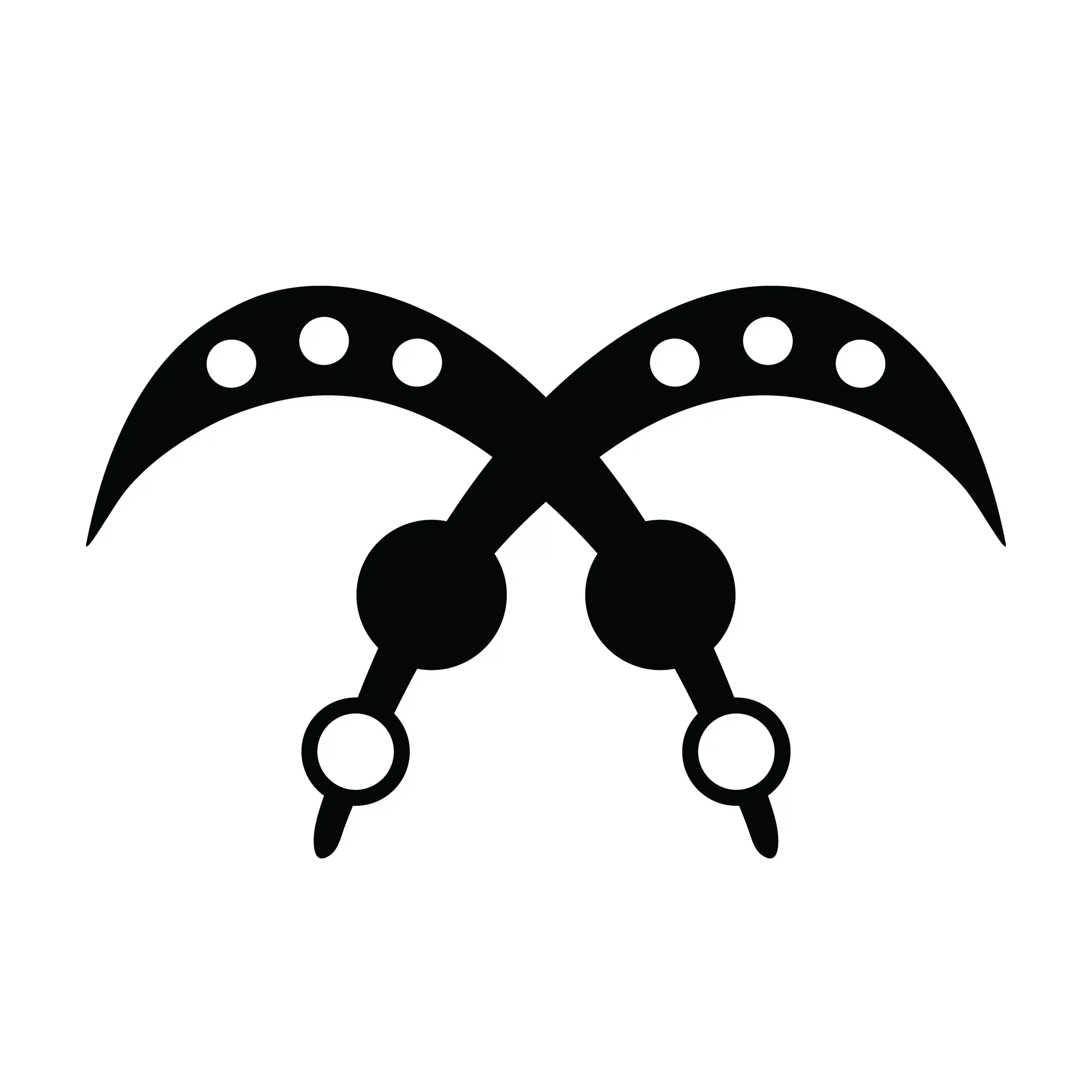 45. Akofena |
“Sword of war” – Symbol of Courage, Valor, and Heroism.
The crossed swords were a popular motif in the heraldic shields of many former Akan states.
In addition to recognizing courage and valor, the swords can represent legitimate state authority.
Read the full Akofena guide . |
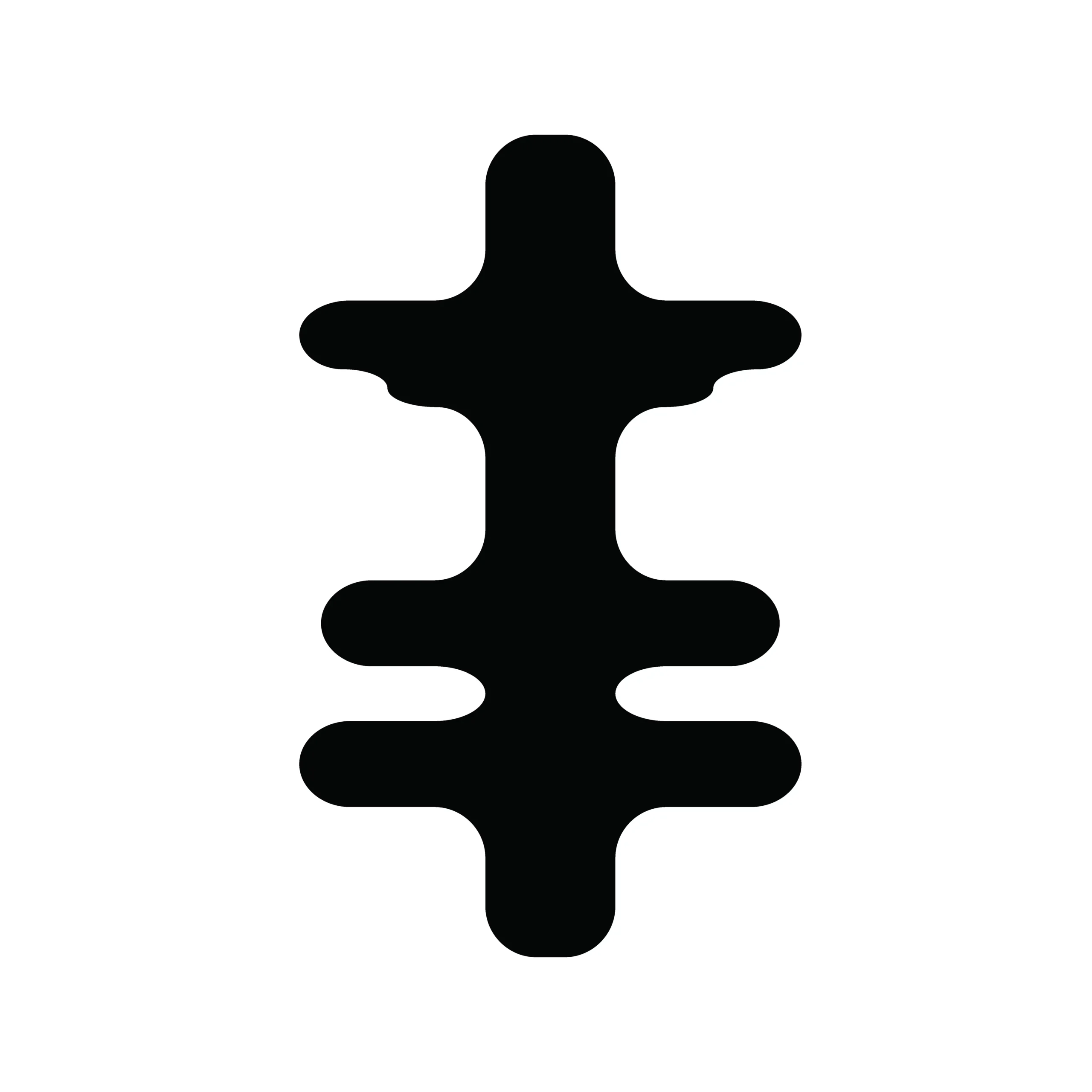 46. Okodee Mmowere |
“Talons of the eagle” – Symbol of Strength, Bravery, Power.
The eagle is the mightiest bird in the sky, and its strength is concentrated in its talons.
The Oyoko clan, one of the nine Akan clans, uses this symbol as their clan emblem.
Read the full Okodee Mmowere guide . |
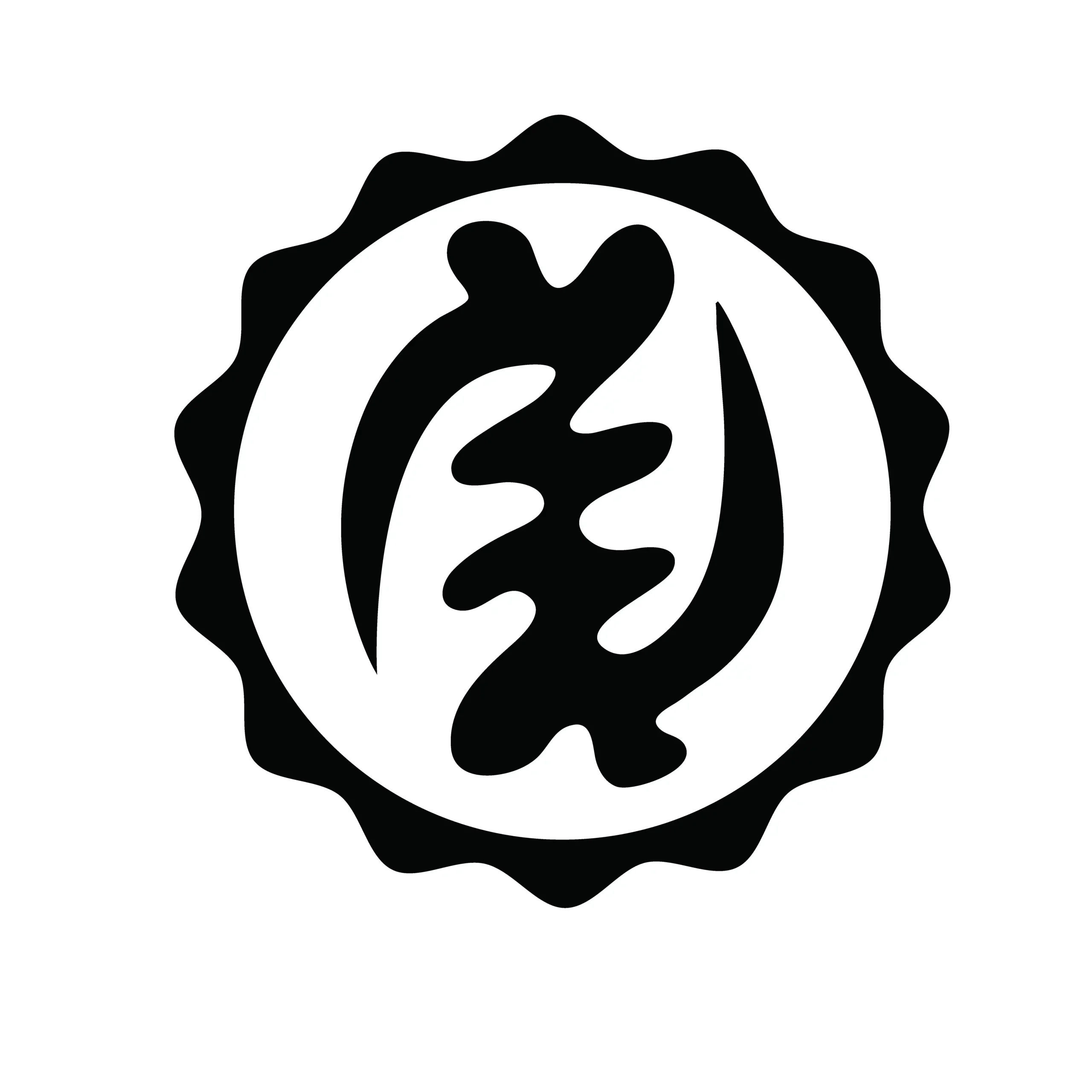 47. Nyame Ye Ohene |
“God is King” – Symbol of Majesty and Supremacy of God.
This symbol represents divine authority, sovereignty, and ultimate power. It signifies faith in God’s guidance, protection, and rule over all things, reinforcing the belief that spiritual strength prevails over worldly challenges.
Read the full Nyame Ye Ohene guide . |
 48. Onyankopon Adom Nti Biribiara Beye Yie |
“By God’s grace, all will be well” – Symbol of Hope, Providence, Faith.
This symbol reflects faith in divine providence and the belief that with God’s favor, everything will fall into place. It serves as a reminder to trust in a higher power, remain hopeful, and persevere through life’s challenges.
Read the full Onyankopon Adom Nti Biribiara Beye Yie guide . |
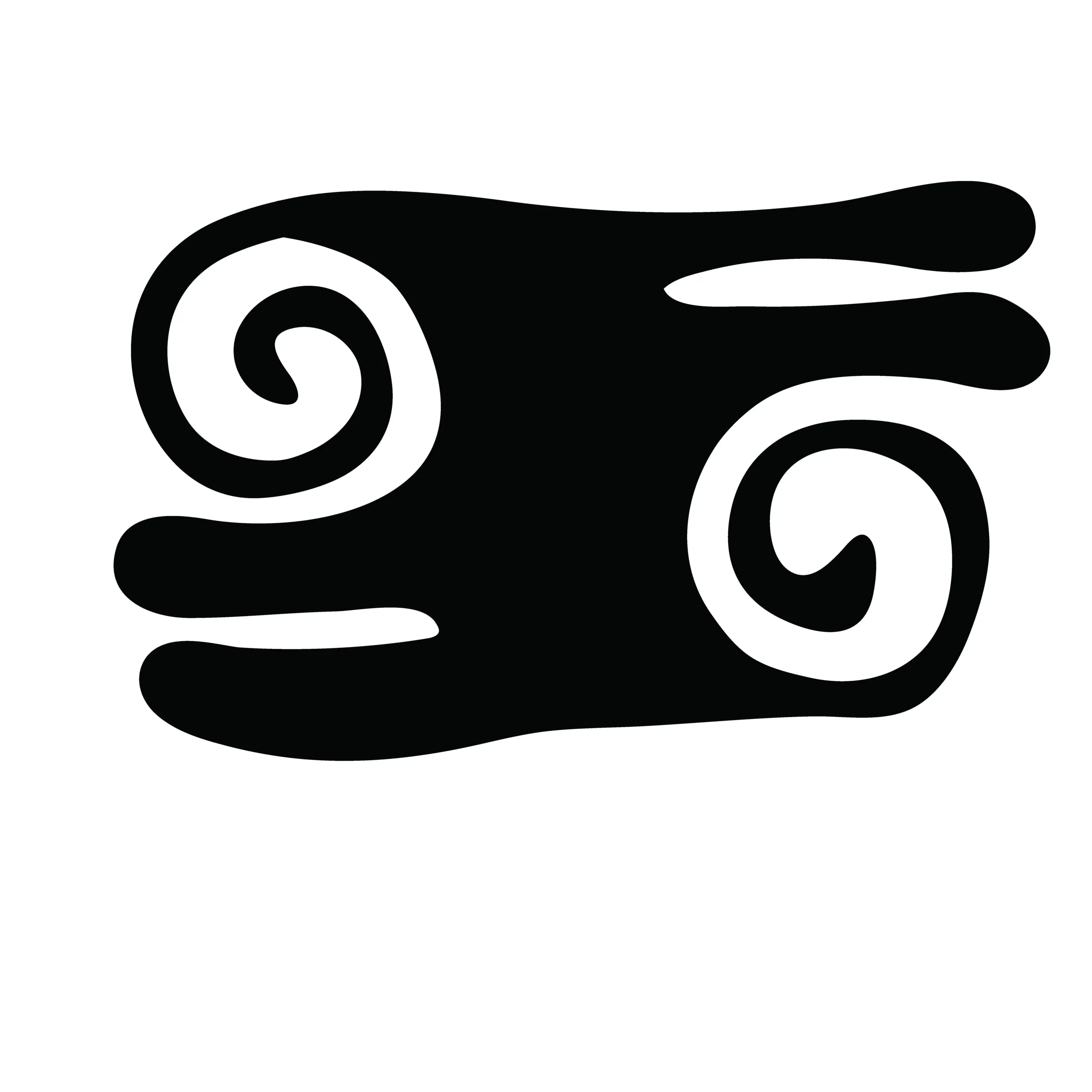 49. Kwatakye Atiko |
“Hairstyle of an Asante war captain” – Symbol of Bravery and Valor.
“This symbol is said to be a special hair style of Kwatakye, a war captain of old Asante.
The symbol has come to represent bravery and fearlessness. It is also given as an earned title to any brave son of an Akan community.
Read the full Kwatakye Atiko guide . |
 50. Mpuannum |
“Five tufts (of hair)” – Symbol of Priestly office, Loyalty and Adroitness.
This symbol is said to be the hairstyle of joy. It is the traditional hairstyle of the priestesses. The design of the adinkra symbol mpuannum resembles the way the priestesses’ hair was tied. It also represents the devotion and faithfulness one displays when doing a task required of one. In addition, mpuannum means loyalty or the embodiment of lofty duty to a desired goal.
Read the full Mpuannum guide . |
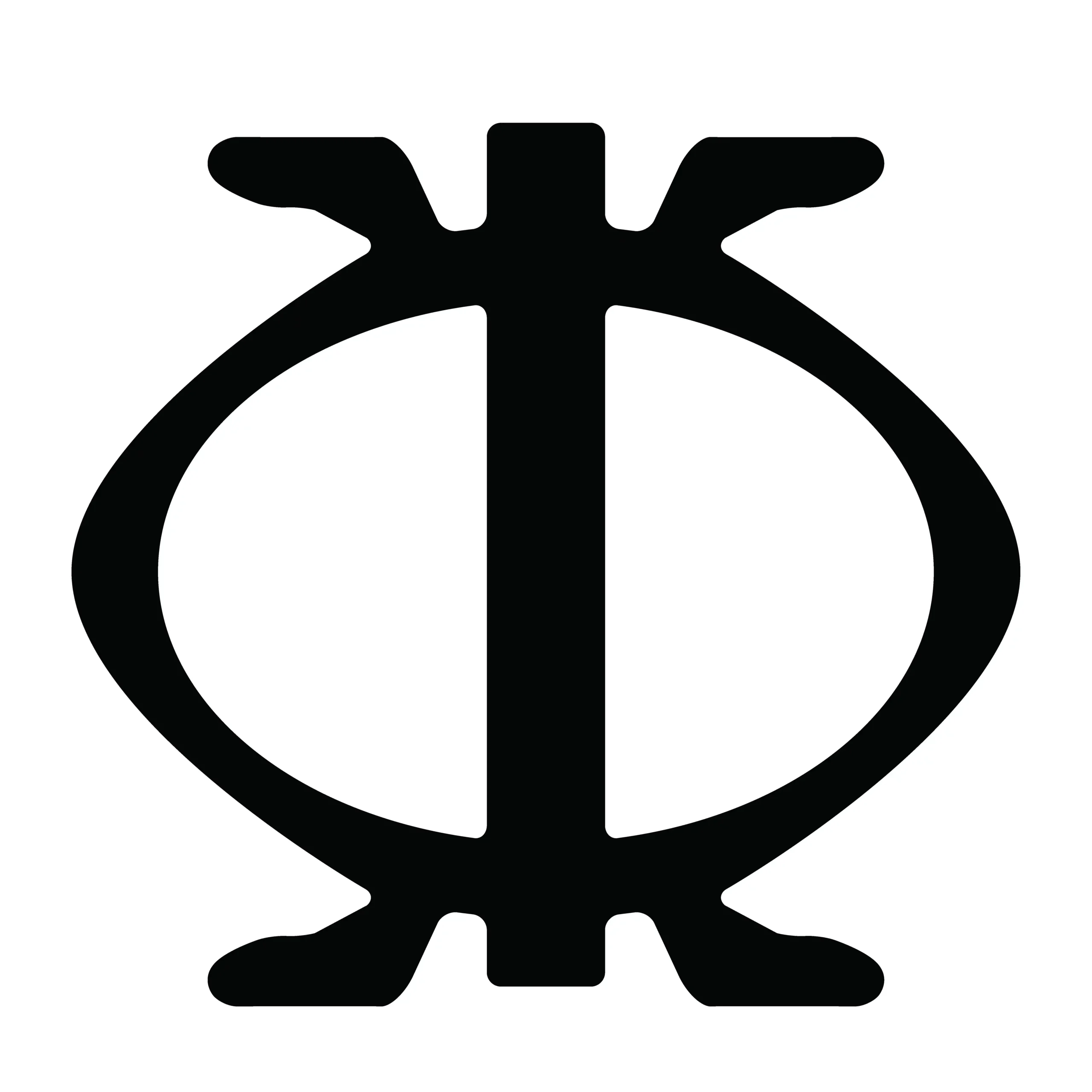 51. Wawa Aba |
“Seed of the wawa tree” – Symbol of Hardiness, Toughness and Perseverance.
The seed of the wawa tree is extremely hard. In Akan culture, it is a symbol of someone who is strong and tough. It inspires the individual to persevere through hardship.
Read the full Wawa Aba guide . |
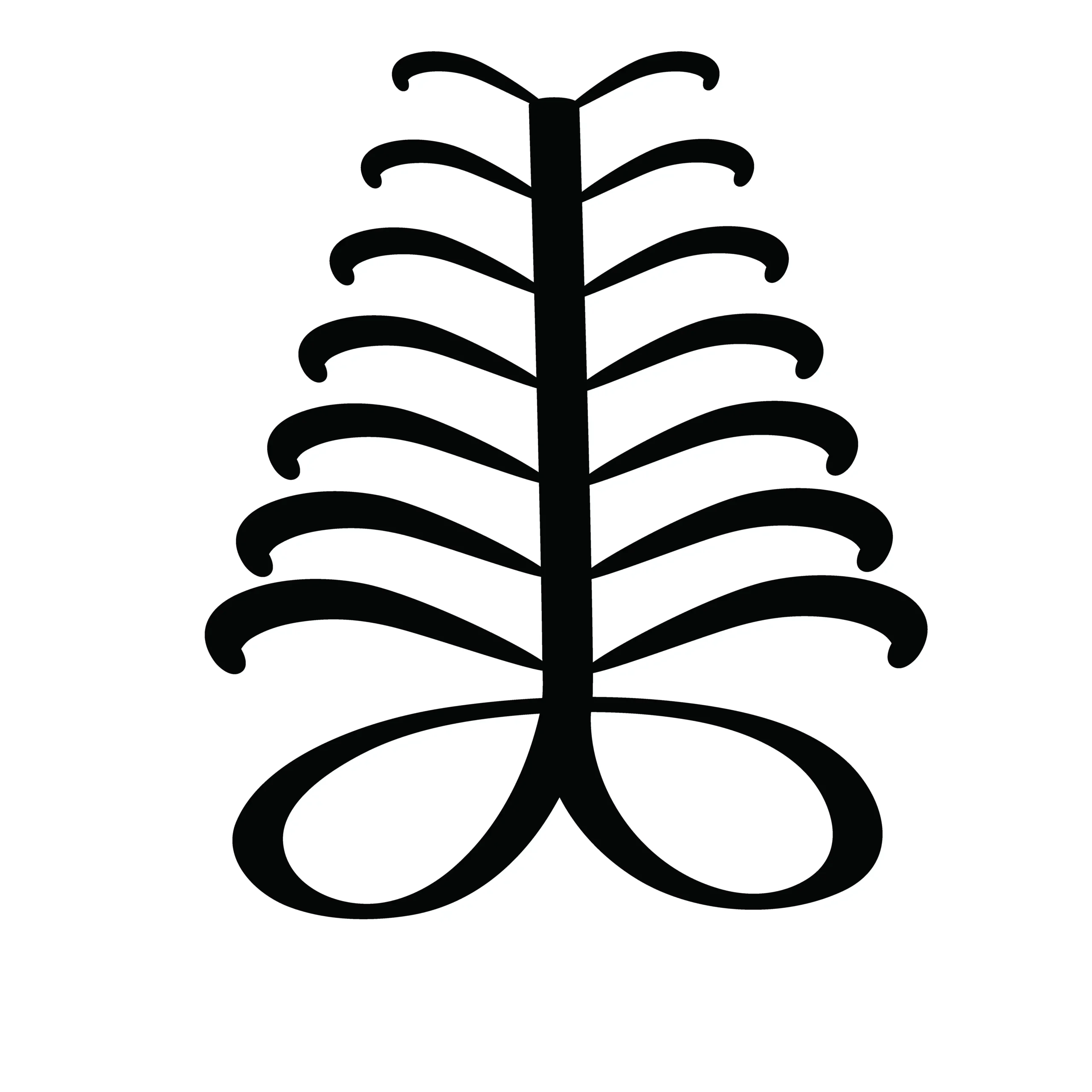 52. Aya |
“Fern” – Symbol of Endurance and Resourcefulness.
The fern is a hardy plant that can grow in difficult places. “An individual who wears this symbol suggests that he has endured many adversities and outlasted much difficulty.”
Read the full Aya guide . |
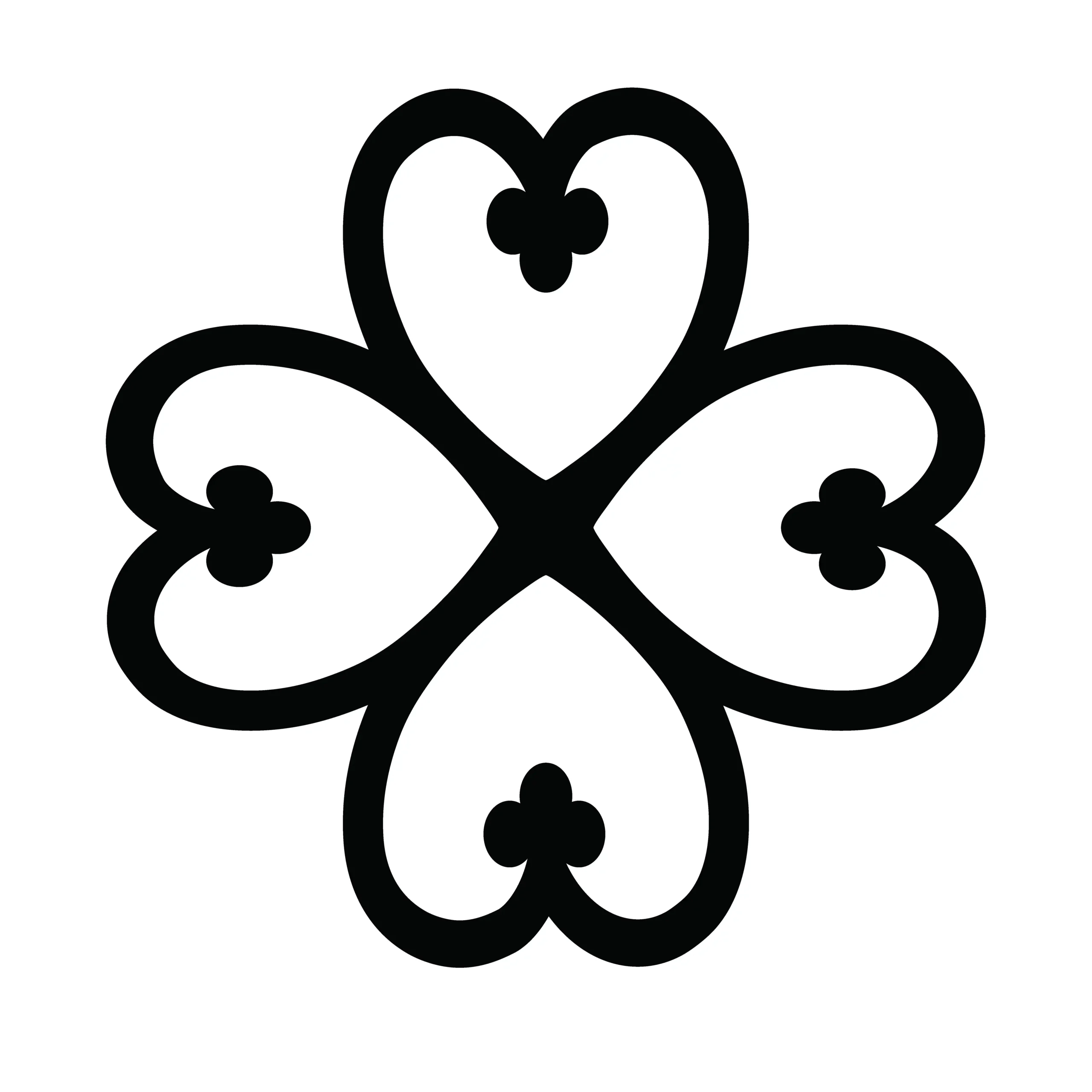 53. Nyame Dua |
“Tree of God” – Symbol of God’s Presence and Protection.
The Nyame Dua is a sacred spot where rituals are performed. Erected in front of the house or compound, it is crafted from a tree cut where three or more branches meet. It holds an earthenware vessel filled with water and herbs for purification and blessing rituals.
Read the full Nyame Dua guide . |
 54. Mframadan |
“Wind-resistant house” – Symbol of Fortitude and readiness to face life’s vicissitudes.
This symbol suggests a reinforced or well-built home — one designed to withstand treacherous winds. Oral Asante history says mud houses in Kumasi were required to be reinforced with turf, making them more resilient.
Read the full Mframadan guide . |
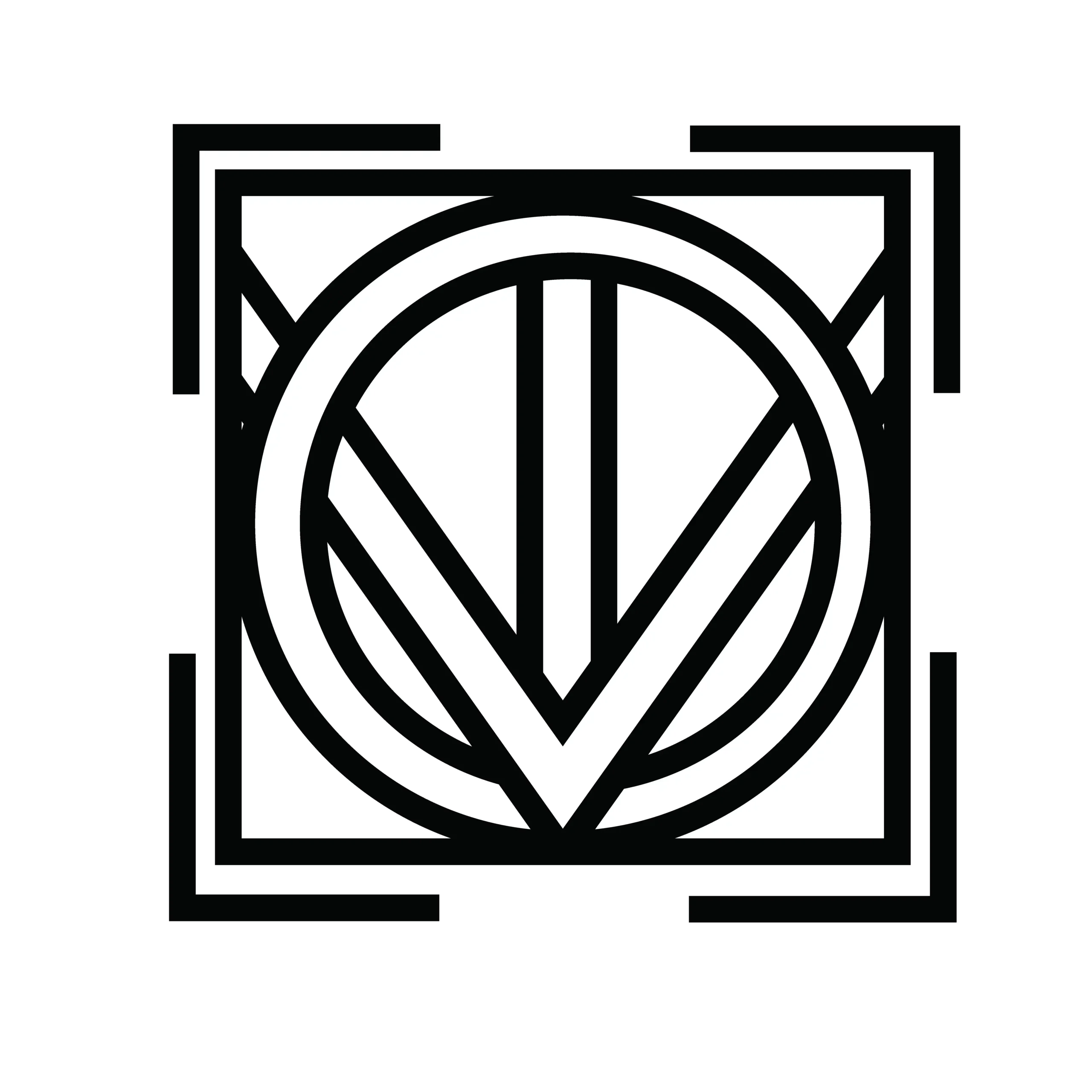 55. Nea Ope Se Obedi Hene |
“He who wants to be king” – Symbol of Service and Leadership.
From the expression: “Nea ope se obedi hene daakye no, firi ase sue som ansa” — “He who wants to be king in the future must first learn to serve.”
Read the full Nea Ope Se Obedi Hene guide . |
 56. Woforo Dua Pa A |
“When you climb a good tree” – Symbol of Support, Cooperation and Encouragement.
From the expression “Woforo dua pa a, na yepia wo” — meaning “When you climb a good tree, you are given a push.” It represents support for good causes.
Read the full Woforo Dua Pa A guide . |
 57. Wo Nsa Da Mu A |
“If your hands are in the dish” – Symbol of Participatory Government, Democracy and Pluralism.
From the aphorism: “Wo nsa da mu a, wonni nnya wo” — “If your hands are in the dish, people do not eat everything and leave you nothing.”
Read the full Wo Nsa Da Mu A guide . |
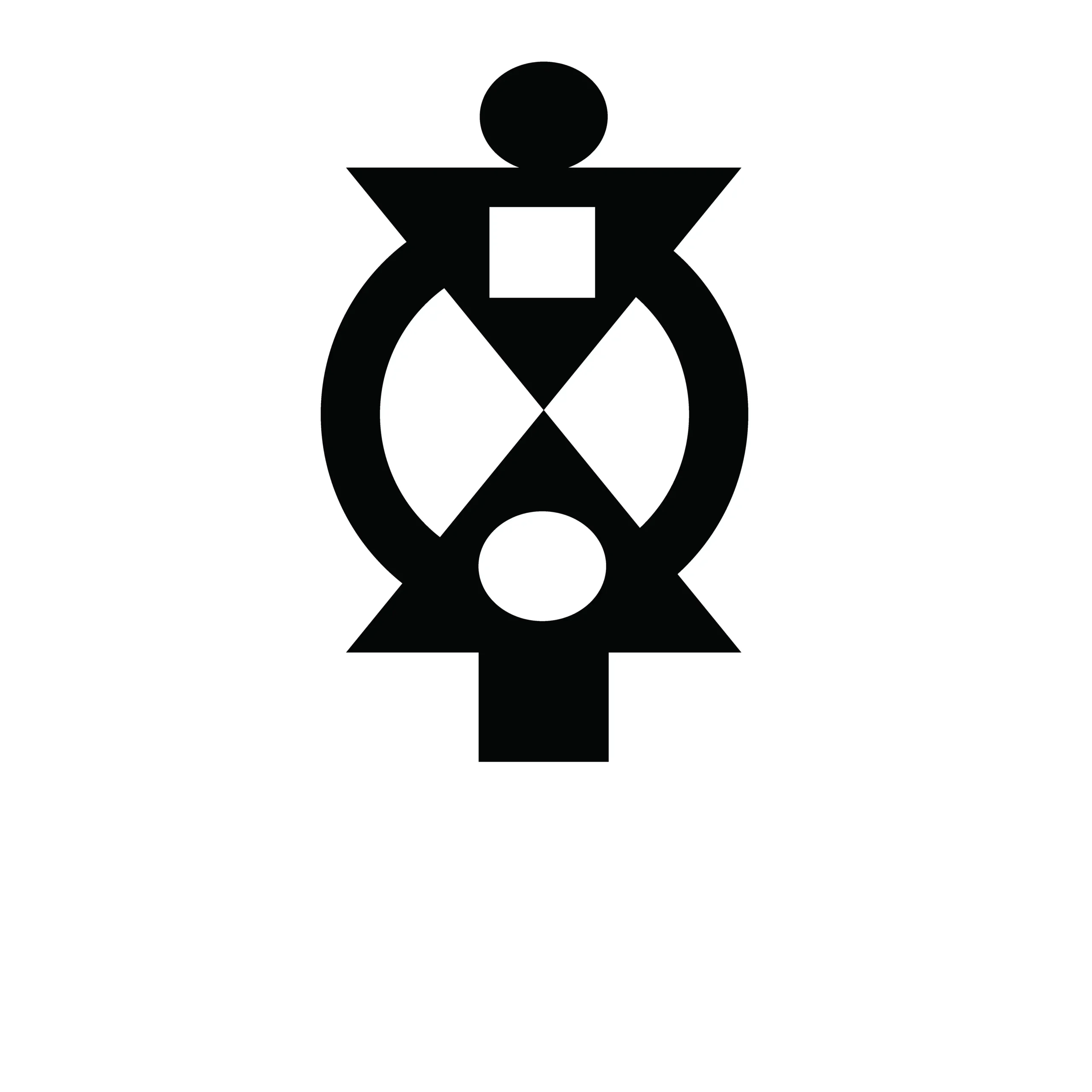 58. Boa Me Na Me Mmoa Wo |
“Help me and let me help you” – Symbol of Cooperation and Interdependence.
This symbol emphasizes mutual support, unity, and collaboration. It reflects the interdependence of humanity and the idea that by helping one another, all thrive.
Read the full Boa Me Na Me Mmoa Wo guide . |
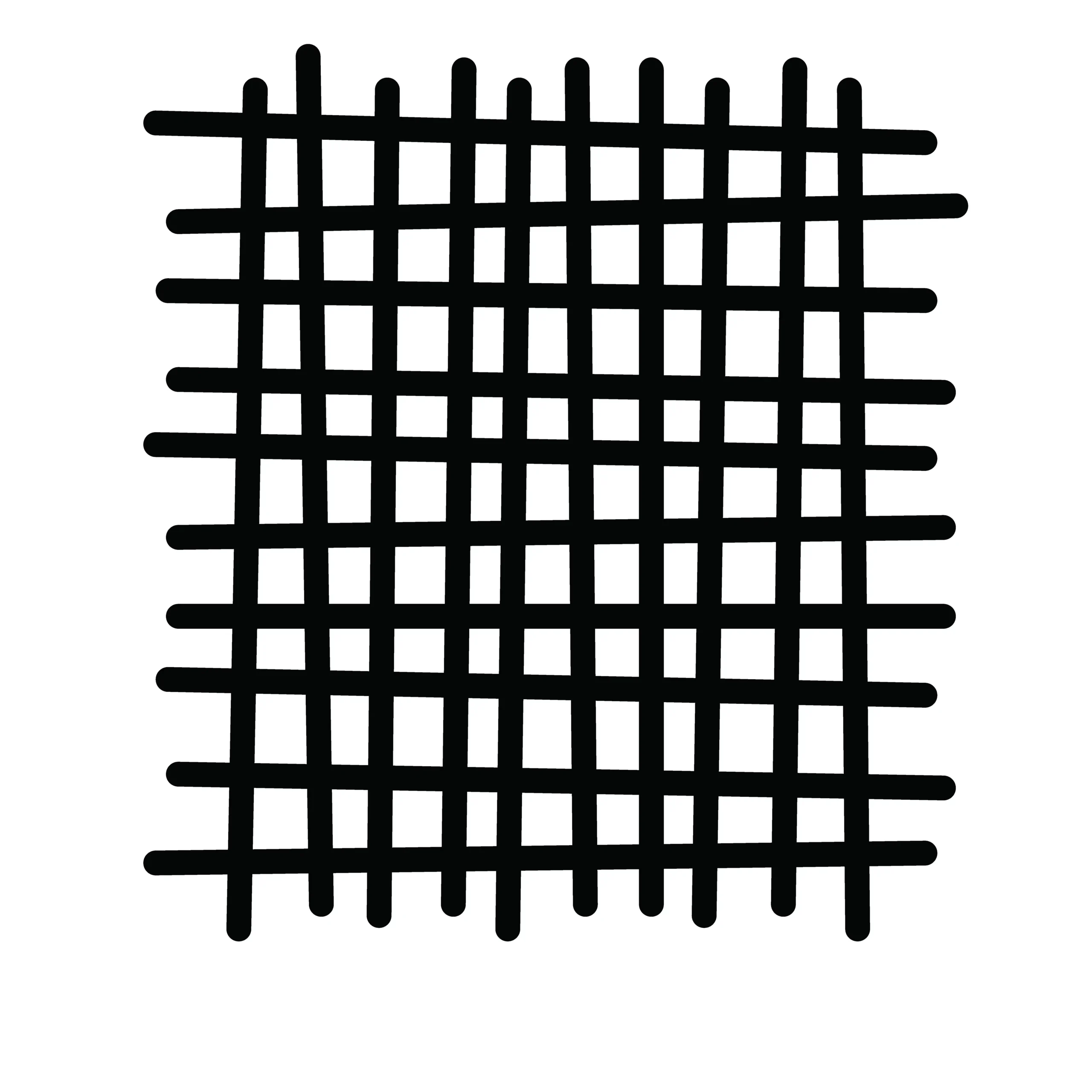 59. Kete Pa |
“Good bed” – Symbol of a Good Marriage.
From the expression that a woman who has a good marriage is said to sleep on a good bed.
Read the full Kete Pa guide . |
 60. Me Ware Wo |
“I shall marry you” – Symbol of Commitment, Perseverance.
From the expression: “No one rushes into the job of mixing the concrete for building the house of marriage.”
Read the full Me Ware Wo guide . |
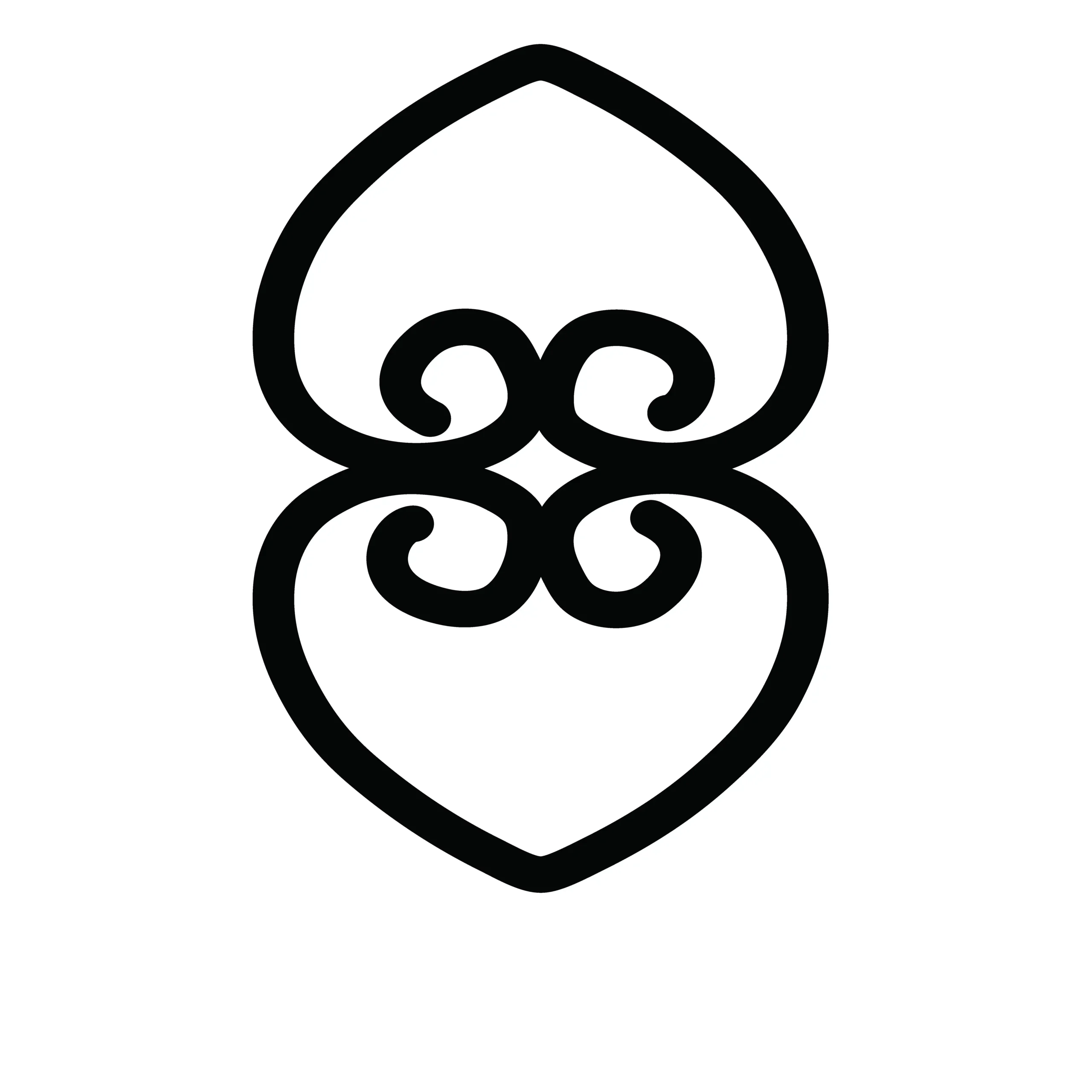 61. Asase Ye Duru |
“The earth has weight” – Symbol of providence and the divinity of Mother Earth.
This symbol represents the sacredness of the Earth, its strength, and its life-sustaining power. It emphasizes respect for nature, environmental stewardship, and the deep connection between humans and the land.
Read the full Asase Ye Duru guide . |
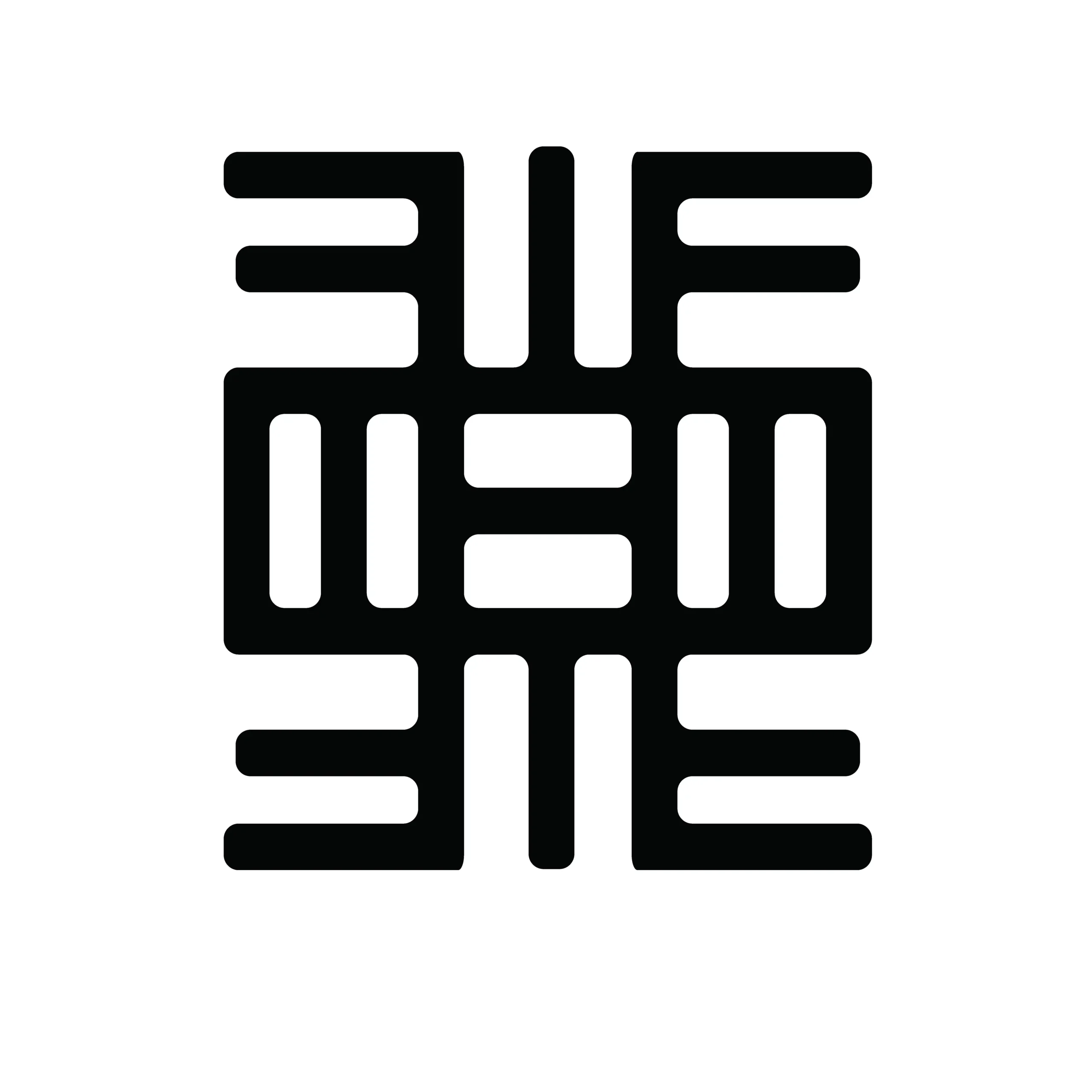 62. Nea Onnim No Sua A, Ohu |
“He who does not know can know from learning” – Symbol of knowledge, life-long education and continued quest for knowledge.
This symbol highlights the importance of continuous learning, open-mindedness, and personal growth. It encourages humility, reminding us that wisdom comes from seeking knowledge and embracing new experiences.
Read the full Nea Onnim No Sua A, Ohu guide . |
 63. Ananse Ntontan |
“Spider’s web” – Symbol of Wisdom, Creativity and the complexities of life.
This symbol represents intelligence, resourcefulness, and the power of creativity. Inspired by Ananse the Spider, a legendary figure in African folklore, it emphasizes strategic thinking, innovation, and the ability to adapt and overcome challenges.
Read the full Ananse Ntontan guide . |
 64. Mako |
“Pepper” – Symbol of Inequality and Uneven development.
Mako is a shortened form of the Akan proverb “Mako nyinaa mpatu mmere,” literally “All peppers (presumably on the same tree) do not ripen simultaneously.”
This proverb admonishes the greater ones to help the less fortunate with the implicit understanding that fortunes could reverse so that they would also need someone’s help. As the Akans say, “Mmerɛ dane,” literally, “Time changes,” so any advantage one may have now may not persist forever.
Read the full Mako guide . |
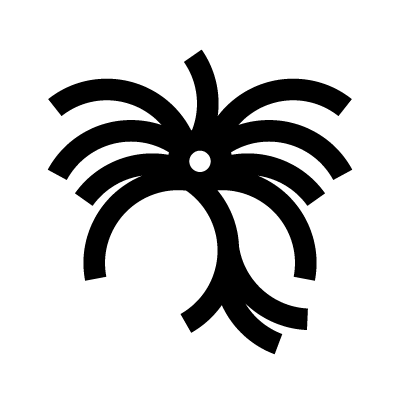 65. Abe Dua |
“Palm tree” – Symbol of Wealth, Resourcefulness, and Self-sufficiency.
This symbol represents endurance, prosperity, and the ability to provide for oneself and others. Just as every part of the palm tree is useful, it teaches resourcefulness, strength, and sustainability in overcoming life’s challenges.
Read the full Abe Dua guide . |
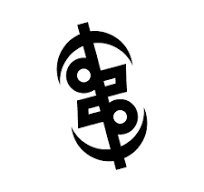 66. Okuafo Pa |
“Good farmer” – A symbol of Diligence, Hard work, Entrepreneurship.
This symbol represents the value of hard work, perseverance, and dedication. It signifies that effort and patience lead to success and prosperity, emphasizing the rewards of honest labor and commitment to one’s craft.
Read the full Okuafo Pa guide . |
 67. Sepow |
“Executioner’s knife” – Symbol of Justice.
This symbol represents the enforcement of justice, strength, and discipline. It signifies the power to uphold truth and maintain order, serving as a reminder of the consequences of dishonesty and wrongdoing.
Read the full Sepow guide . |
 68. Menso Wo Kenten |
“I am not carrying your basket” – Symbol of Industry, Self-reliance, and Economic self-determination. I will carry my own basket.
This symbol represents independence, self-sufficiency, and personal responsibility. It encourages individuals to take charge of their own lives, work hard, and not rely solely on others for success.
Read the full Menso Wo Kenten guide . |
 69. UAC Nkanea |
“UAC lights” – Symbol of Technological Advancement.
This symbol represents wisdom, education, and the guiding light of knowledge. It signifies the power of learning to illuminate the path to progress and success.
Read the full UAC Nkanea guide . |
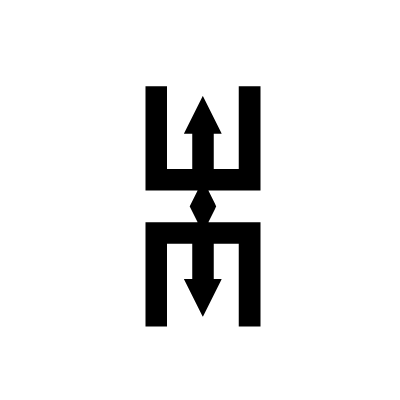 70. Nteasee |
“Understanding” – Symbol for understanding and cooperation.
This symbol represents harmony, patience, and mutual respect. It emphasizes the importance of effective communication, empathy, and unity in building strong relationships and peaceful communities.
Read the full Nteasee guide . |
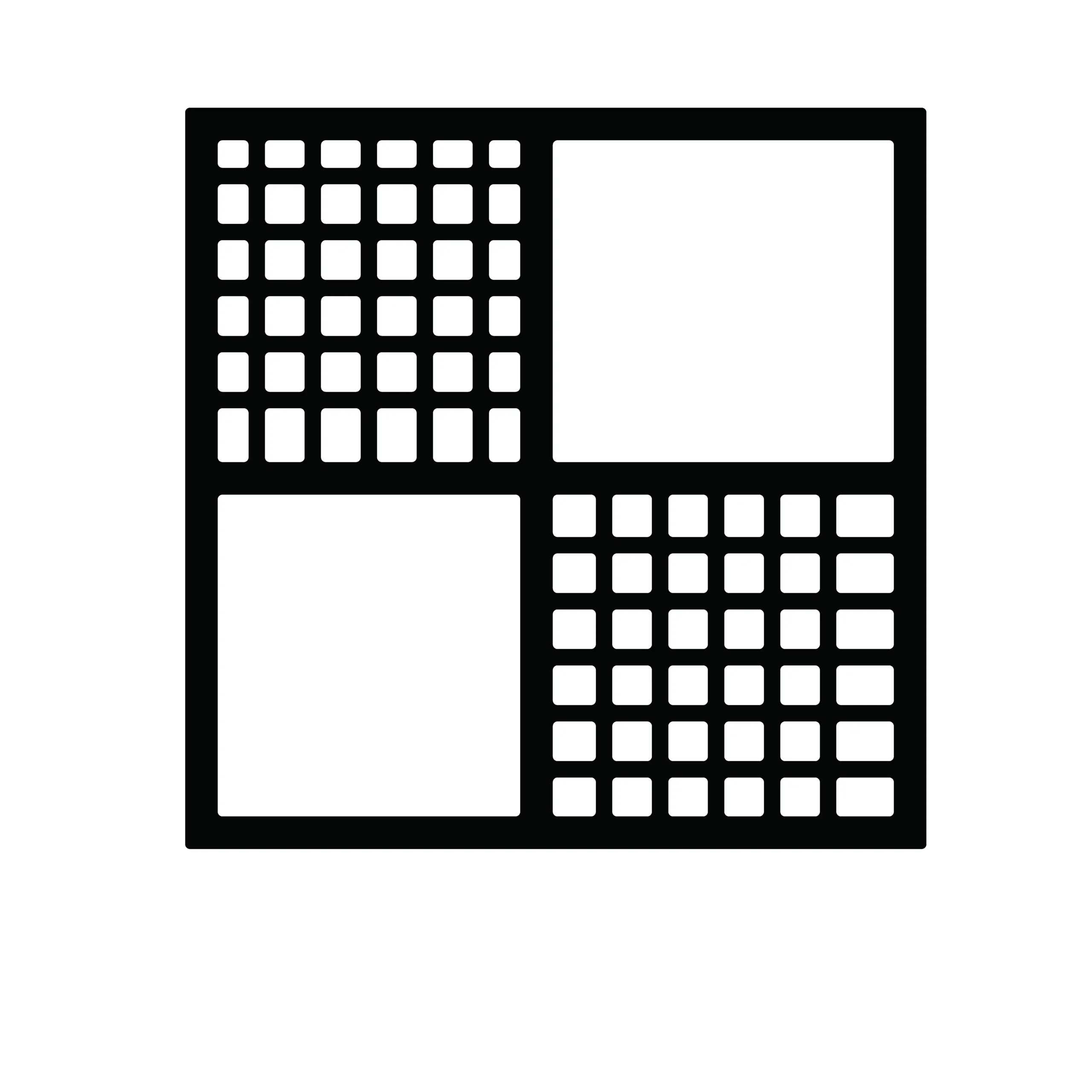 71. Kuronti Ne Akwamu |
A symbol of democracy, sharing ideas, taking council.
This symbol represents the importance of collaboration, shared leadership, and democratic governance. It signifies the need for different perspectives to work together in harmony to ensure fairness, stability, and progress in society.
Read the full Kuronti Ne Akwamu guide . |
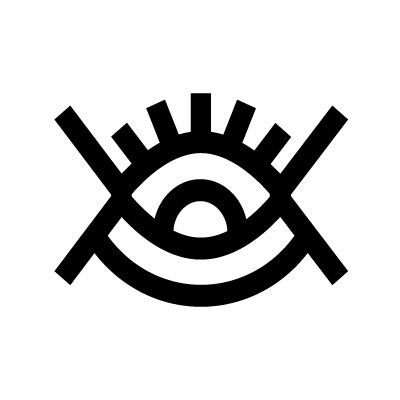 72. Abode Santann |
“All-seeing eye” – Symbol of Divine Creator, Omnipresence.
This symbol represents the interconnectedness of all things, the balance of nature, and the cosmic order. It reminds us of our place within the universe and the importance of respecting the natural world and its harmony.
Read the full Abode Santann guide . |
 73. Abusua Pa |
“Good family” – Symbol of Good family, Family unity.
This symbol represents the importance of family, unity, and strong relationships. It emphasizes loyalty, love, and mutual support, reminding us that a strong family foundation leads to a stable and thriving community.
Read the full Abusua Pa guide . |
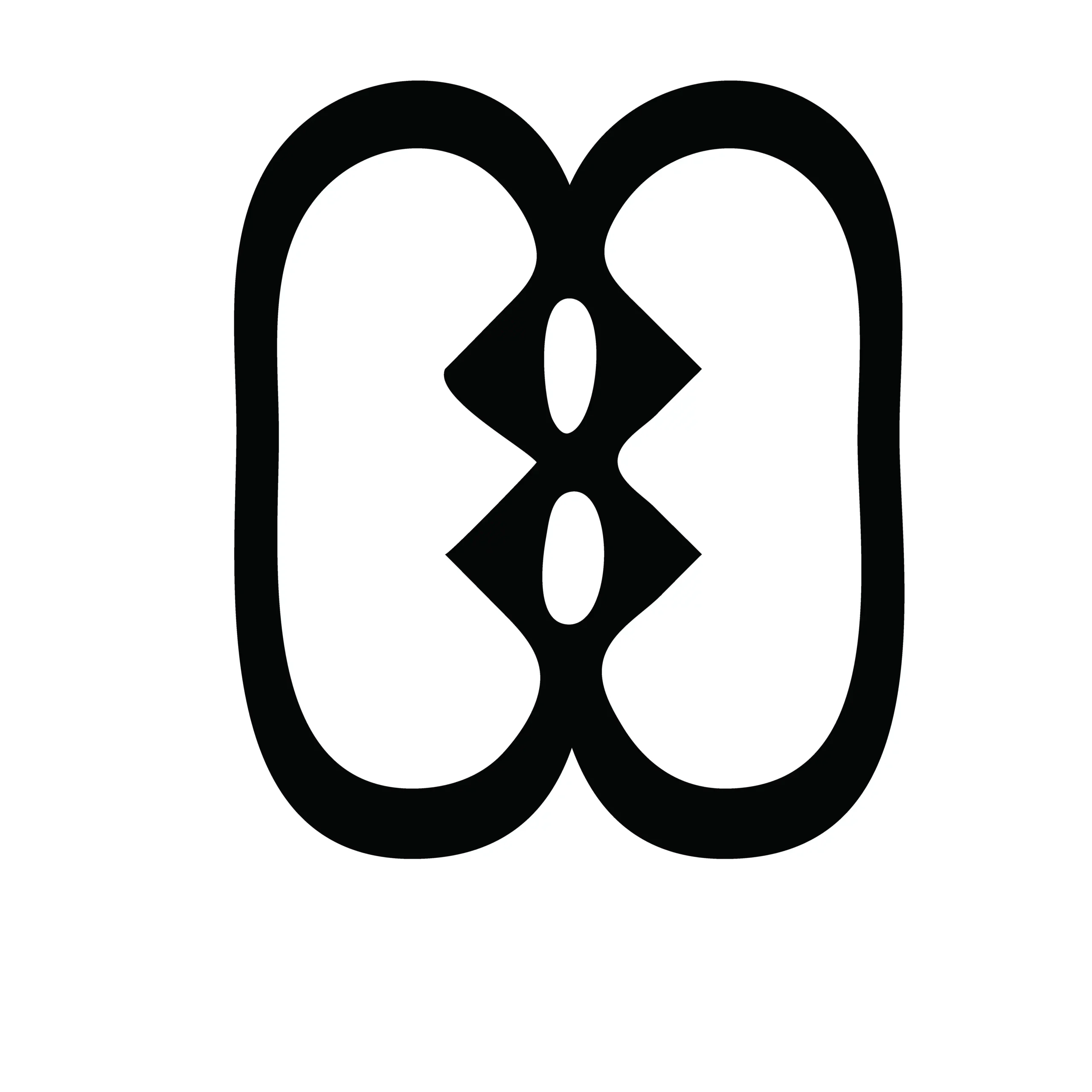 74. Adwo |
“Peace” – Symbol of Serenity, Peace, Calmness.
This symbol represents inner peace, self-control, and the strength found in patience. It encourages a calm and thoughtful approach to life’s challenges, promoting harmony and emotional balance.
Read the full Adwo guide . |
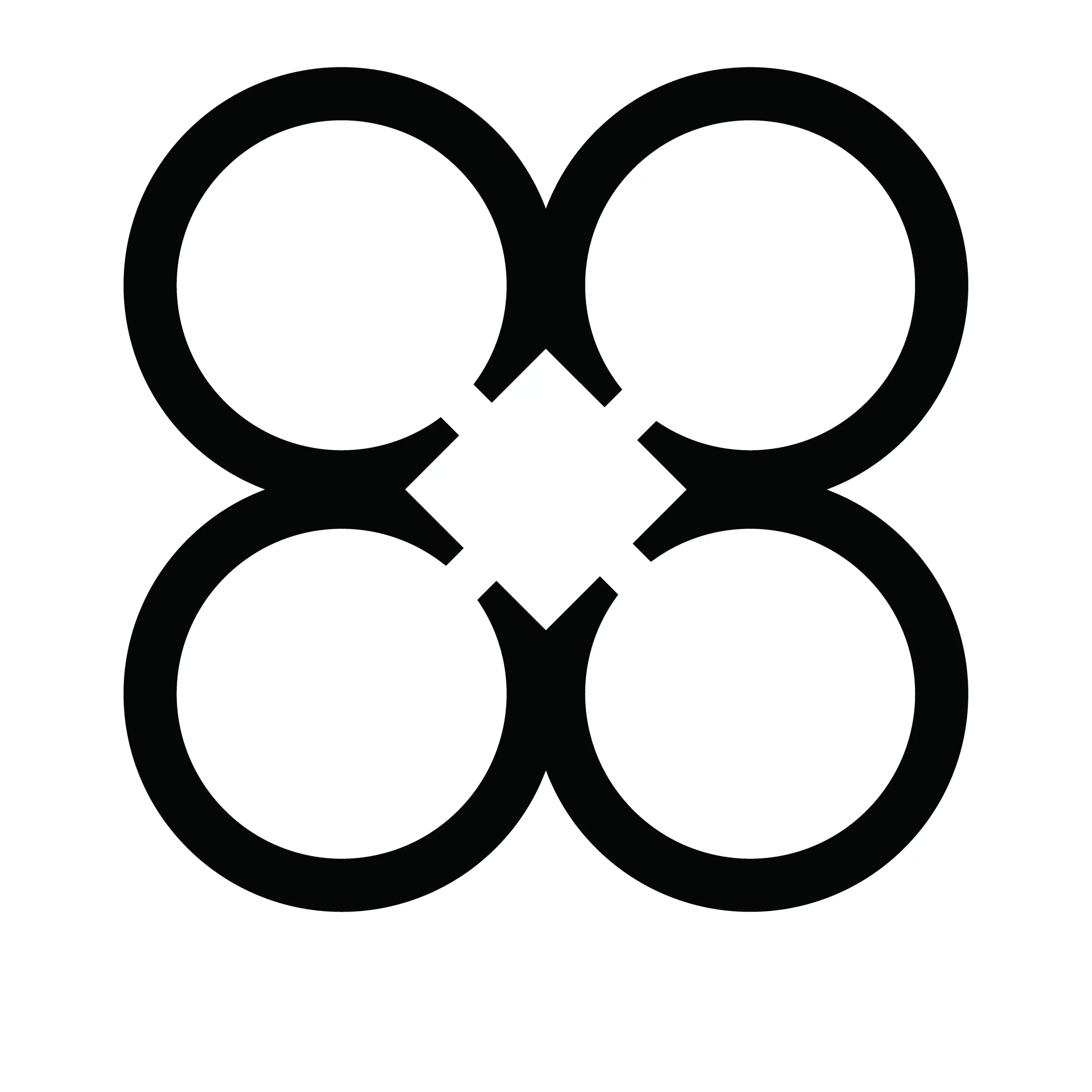 75. Agyin Dawuru |
“Loyalty” – A Symbol of Loyalty.
This symbol represents the announcement of important messages, the arrival of good news, and the call to action. It signifies alertness, awareness, and preparedness to embrace new opportunities.
Read the full Agyin Dawuru guide . |
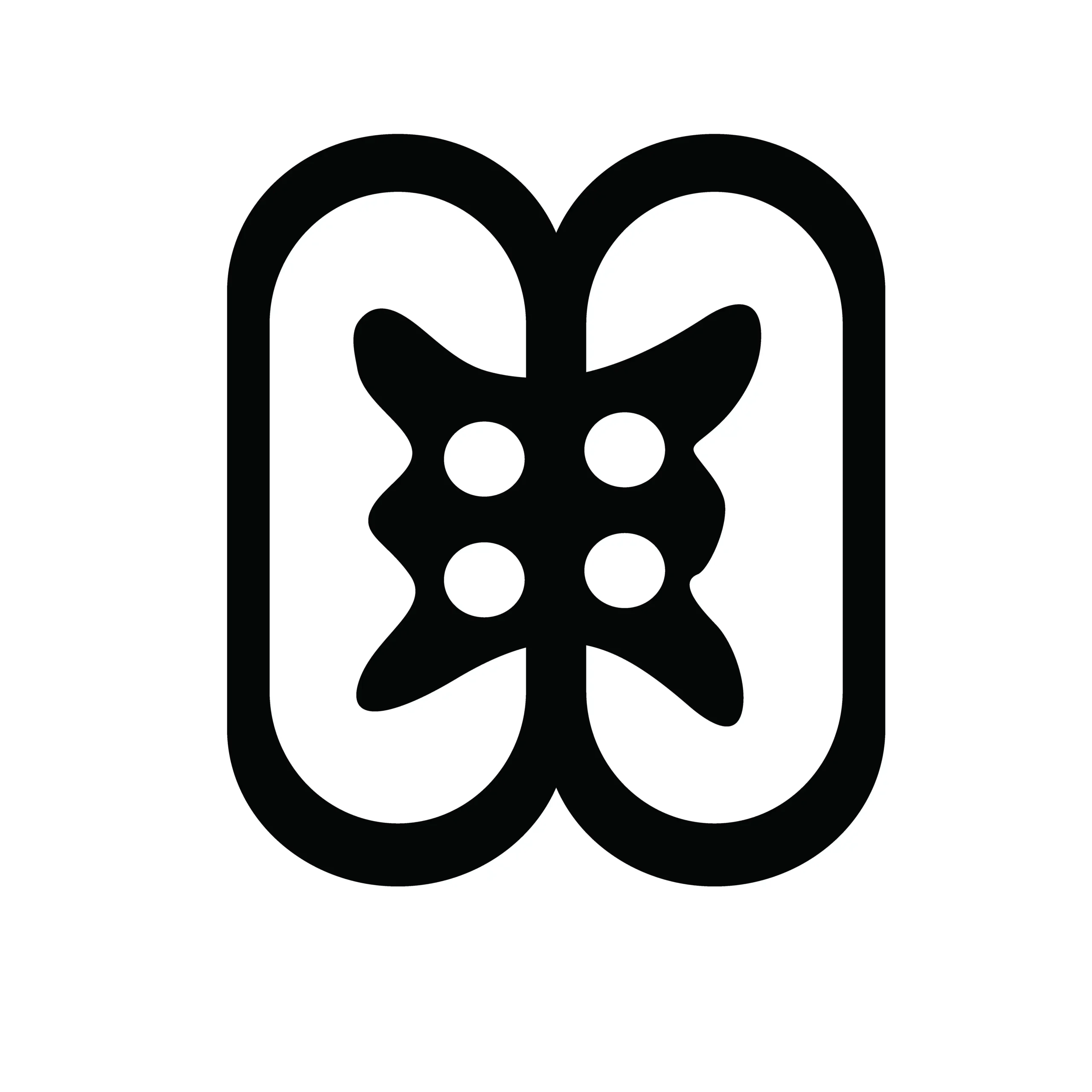 76. Akwaaba |
“Welcome” – Symbol of Reception, Hospitality.
This symbol represents warmth, openness, and the spirit of hospitality. It embodies the value of making others feel accepted and valued, promoting a culture of kindness, inclusivity, and genuine connection.
Read the full Akwaaba guide . |
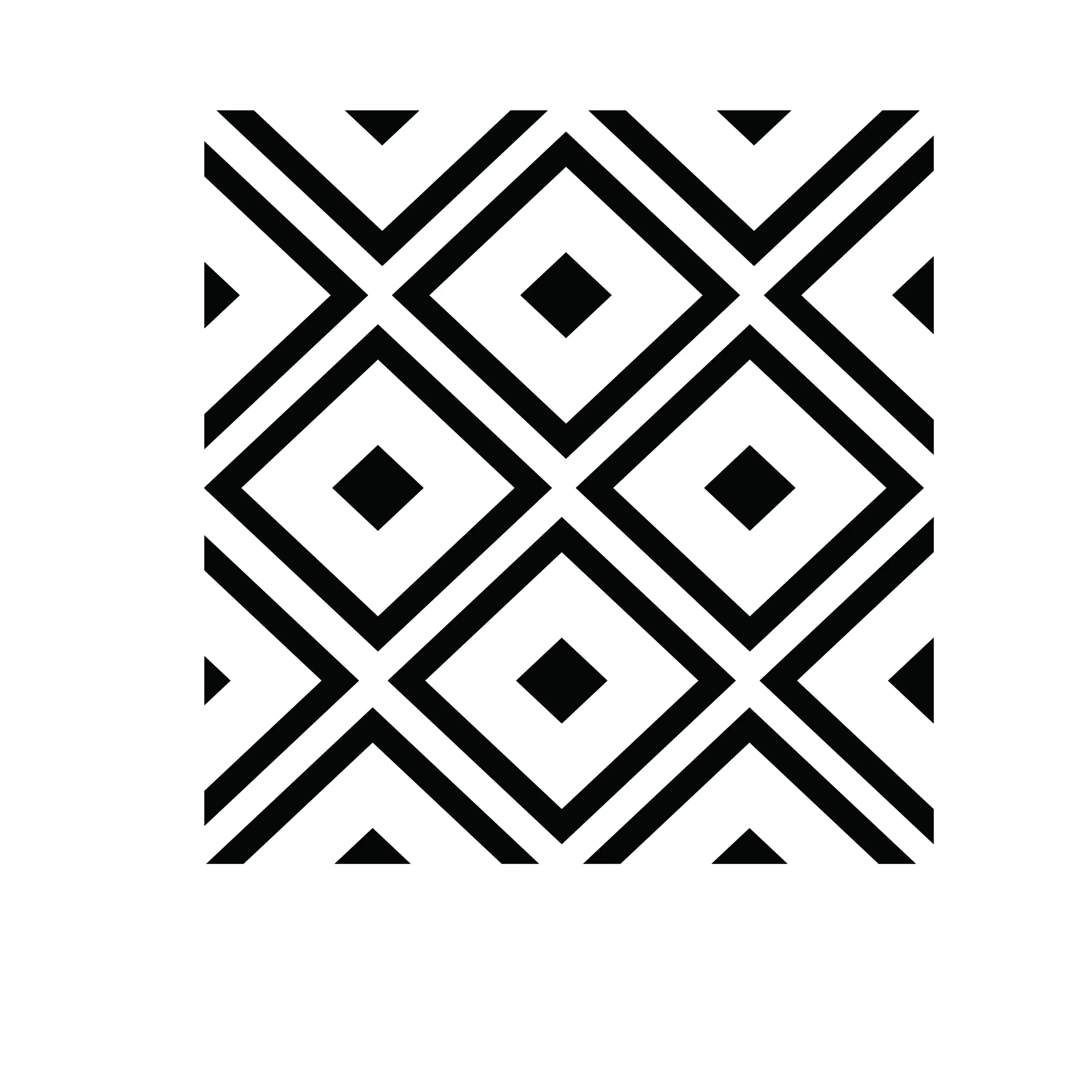 77. Ani Bre A Enso Gya |
“Red eyes can’t spark flames” – This symbol signifies that exhaustion and overworking without strategy lead to failure. It emphasizes the importance of working smart, pacing oneself, and balancing effort with wisdom to achieve success.
Read the full Ani Bre A Enso Gya guide . |
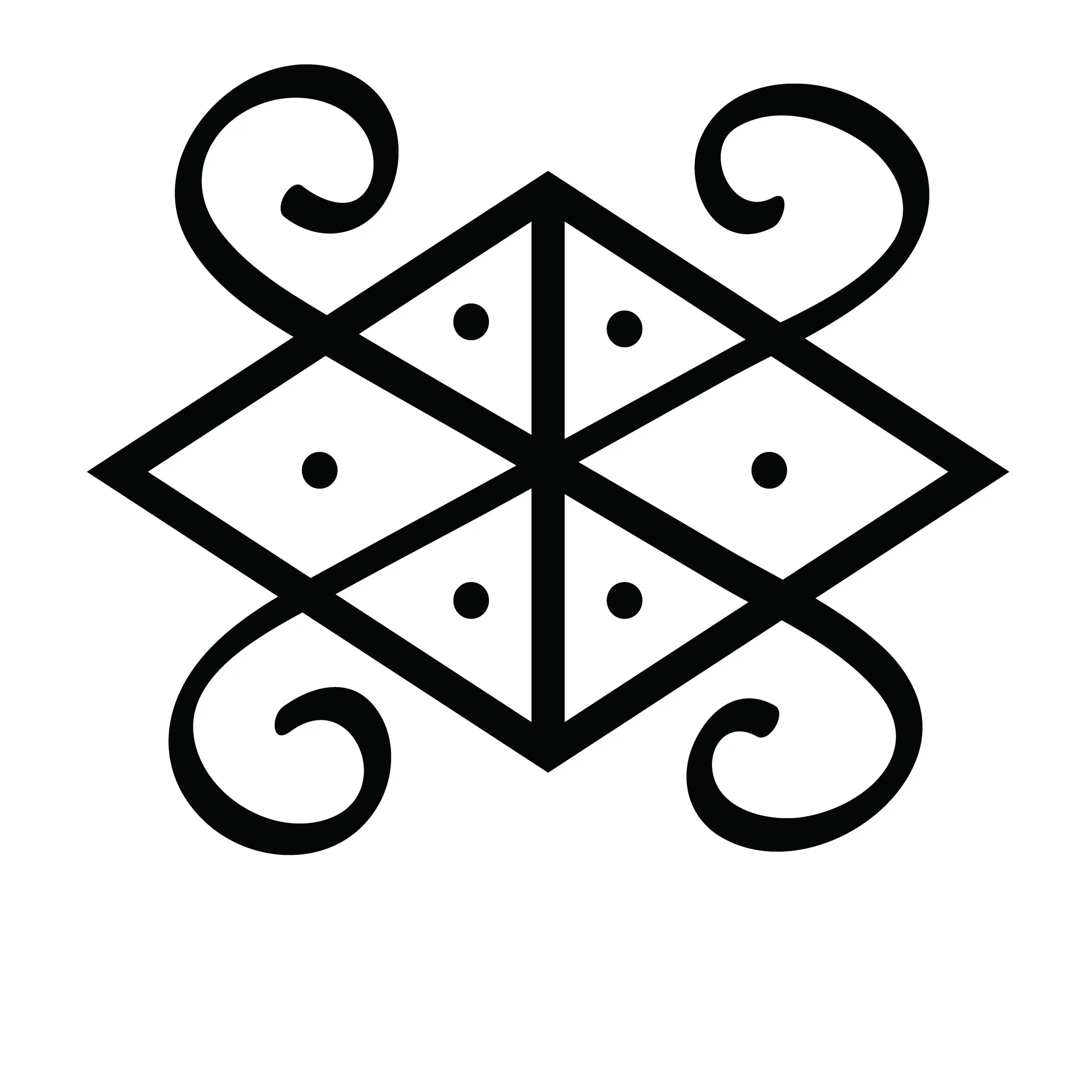 78. Anyi Me Aye A |
If you help me, I will remember. This symbol represents appreciation, trust, and a commitment to reciprocity. It emphasizes the importance of loyalty and remembering those who have supported you in times of need.
Read the full Anyi Me Aye A guide . |
 79. Asaawa |
“Sweet berry” – Symbol of Tenderness.
This symbol represents gentleness, care, and sensitivity. It signifies the importance of treating others with kindness and recognizing the beauty in fragility, reminding us that even the smallest things hold great value.
Read the full Asaawa guide . |
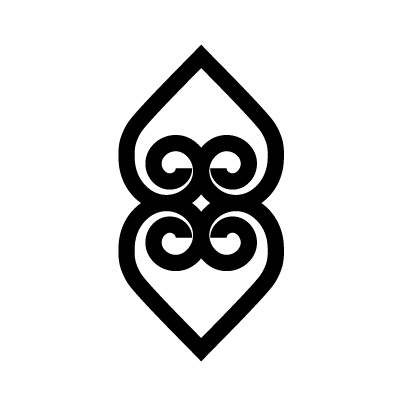 80. Asaase Ye Duro (Variant) |
This symbol represents the sacredness of the Earth, its strength, and its life-sustaining power. It emphasizes respect for nature, environmental stewardship, and the deep connection between humans and the land.
Read the full Asaase Ye Duro guide . |
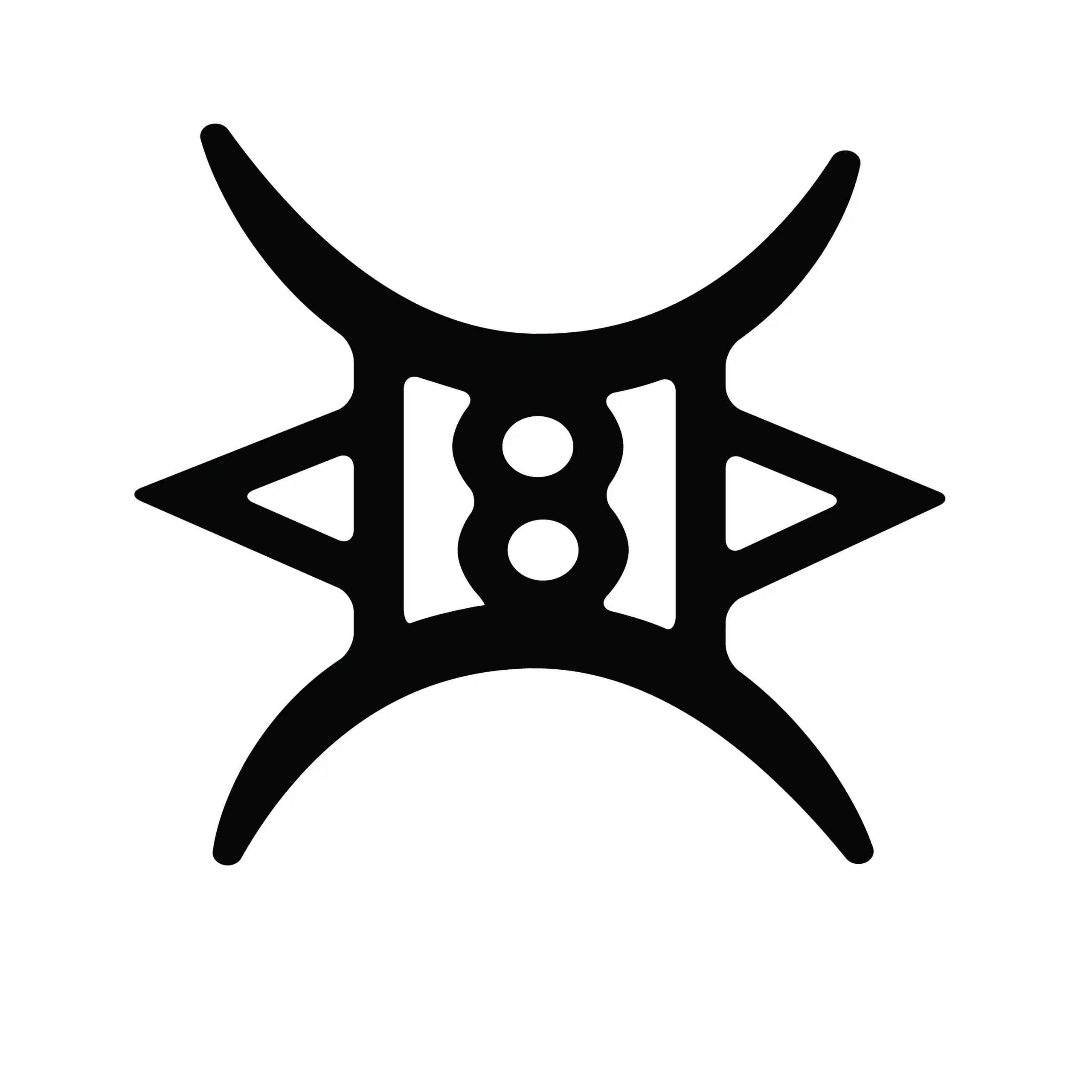 81. Asetena Pa |
“Good living” – This symbol represents prosperity, harmony, and a life well-lived. It emphasizes the importance of peace, good health, and strong moral values in achieving a fulfilling and meaningful existence.
Read the full Asetena Pa guide . |
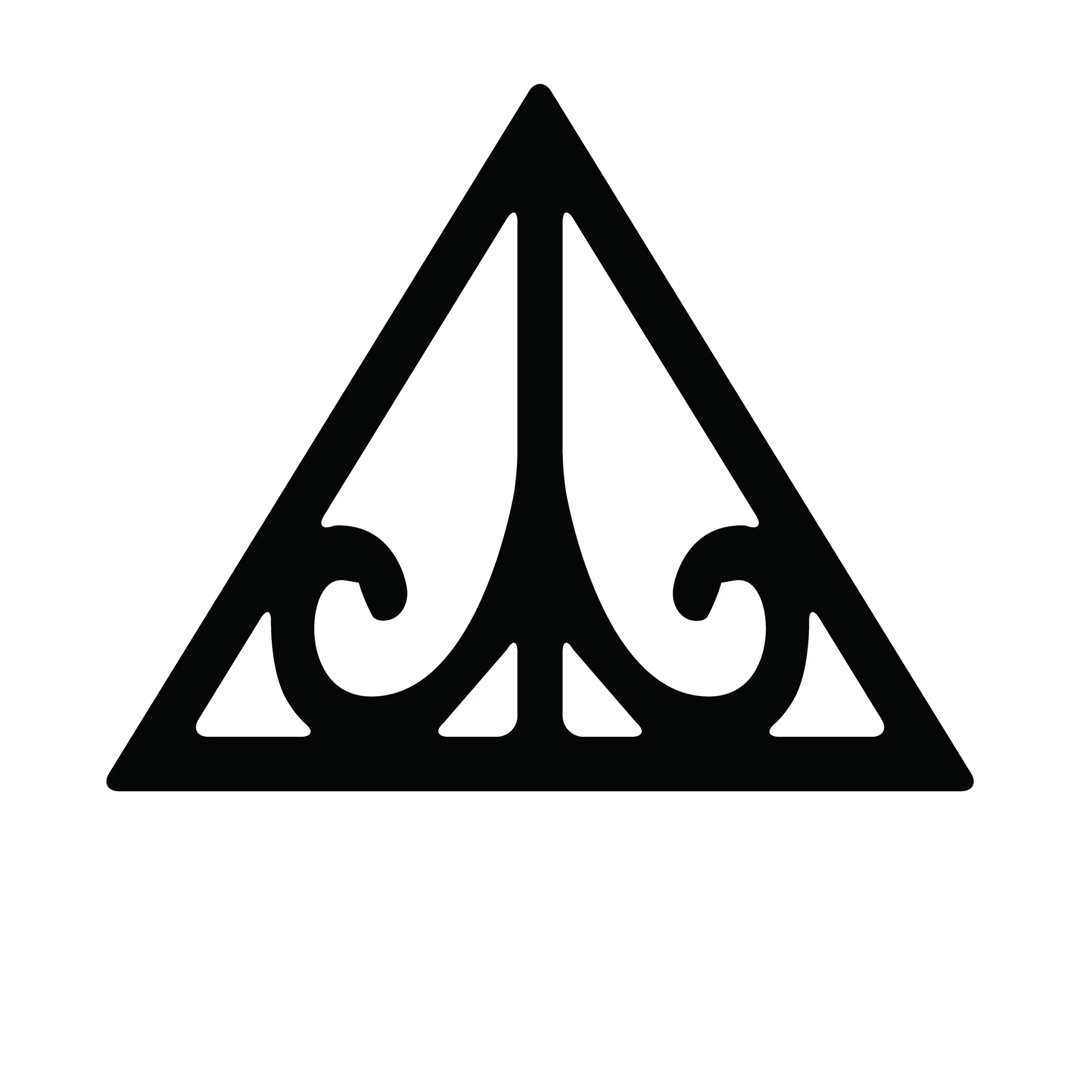 82. Awurade Baatanfo |
“God the Mother” – Symbol of Nurturing, Provision.
This symbol represents divine love, guidance, and protection. It signifies the belief that God watches over and cares for His people, just as a loving parent nurtures a child.
Read the full Awurade Baatanfo guide . |
 83. Boafo Ye Na |
“Willing helper” – Symbol of Support, Help.
This symbol represents the importance of kindness, support, and selflessness. It signifies that those who help others are highly valued in society, reinforcing the virtue of community and mutual assistance.
Read the full Boafo Ye Na guide . |
 84. Donno |
“Bell drum” – This symbol represents the power of communication, rhythm, and storytelling. It signifies the importance of effective expression, cultural heritage, and the role of sound in conveying messages and emotions.
Read the full Donno guide . |
 85. Donno Ntoaso |
“Talking drum” – The talking drum is a communication device among many cultures in Africa.
This symbol represents resilience, motivation, and the continuation of traditions. It signifies the importance of perseverance, rhythmic balance in life, and passing down knowledge through generations.
Read the full Donno Ntoaso guide . |
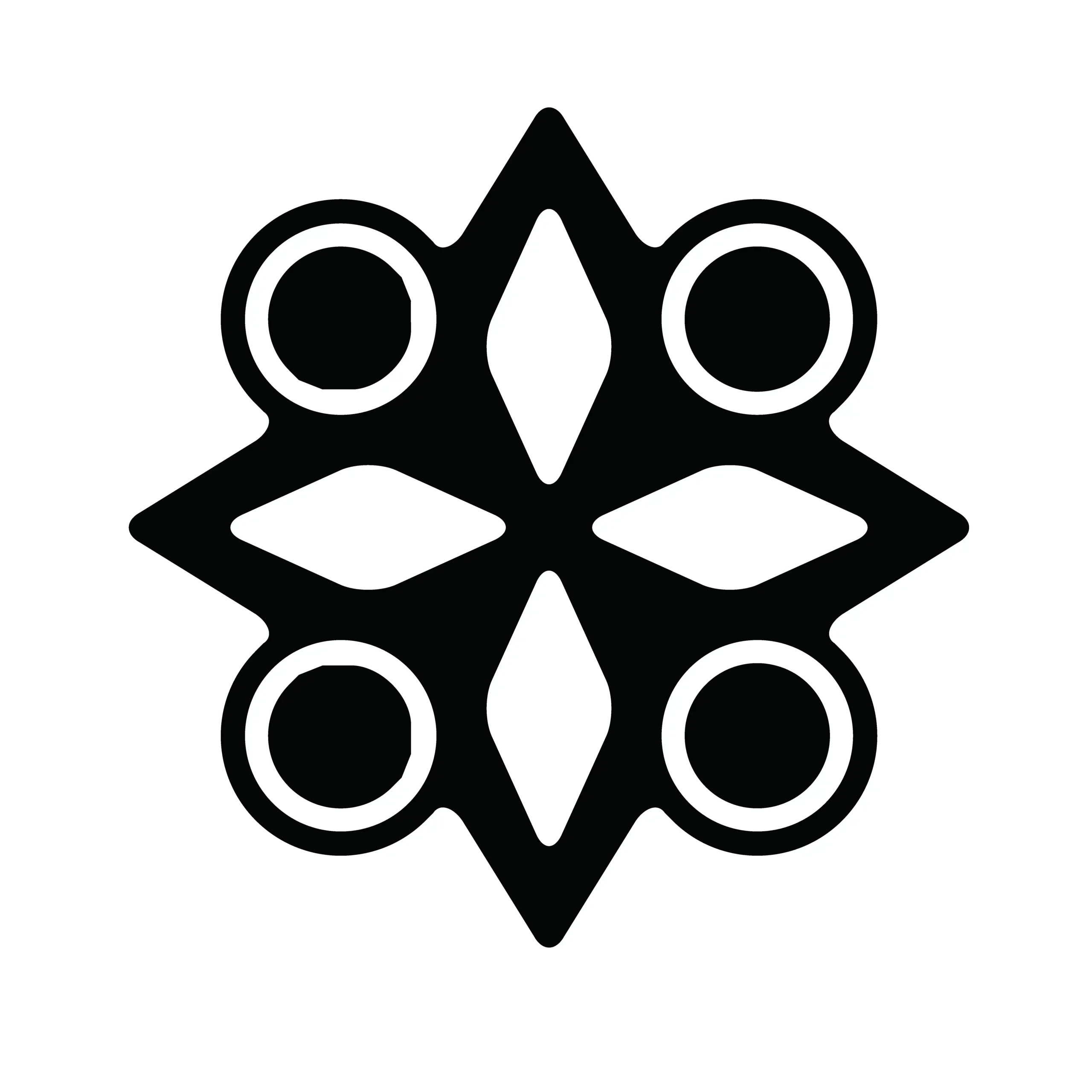 86. Esono Anantam |
“Elephant’s footprint” – Symbol of making an impact.
This symbol represents power, influence, and the lasting impact of great leaders. It signifies wisdom, stability, and the ability to guide others with strength and confidence.
Read the full Esono Anantam guide . |
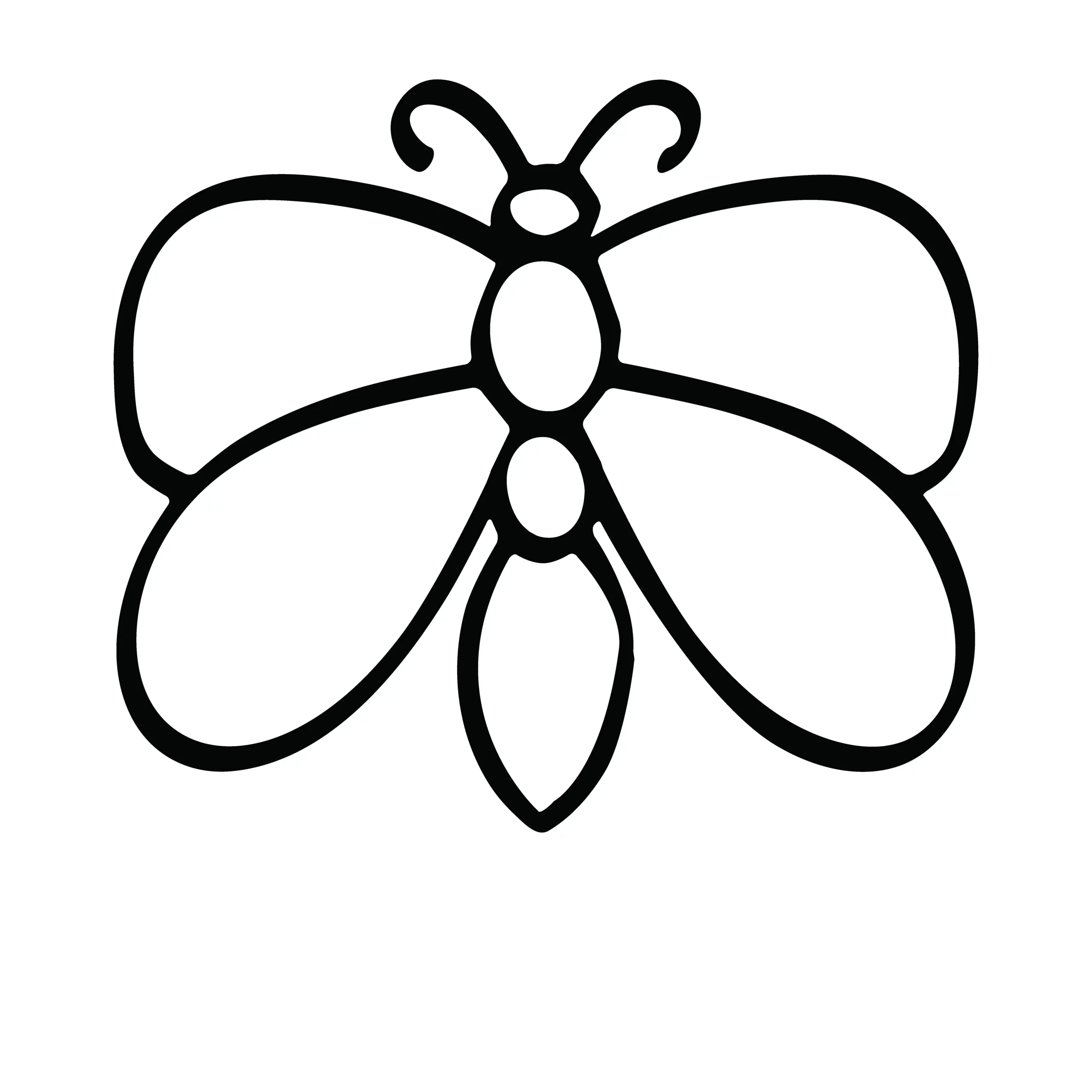 87. Fafanto |
“Butterfly” – Symbol of Transformation and Change.
This symbol represents beauty, grace, and the delicate nature of life. It signifies growth, transformation, and the importance of embracing change with resilience and elegance.
Read the full Fafanto guide . |
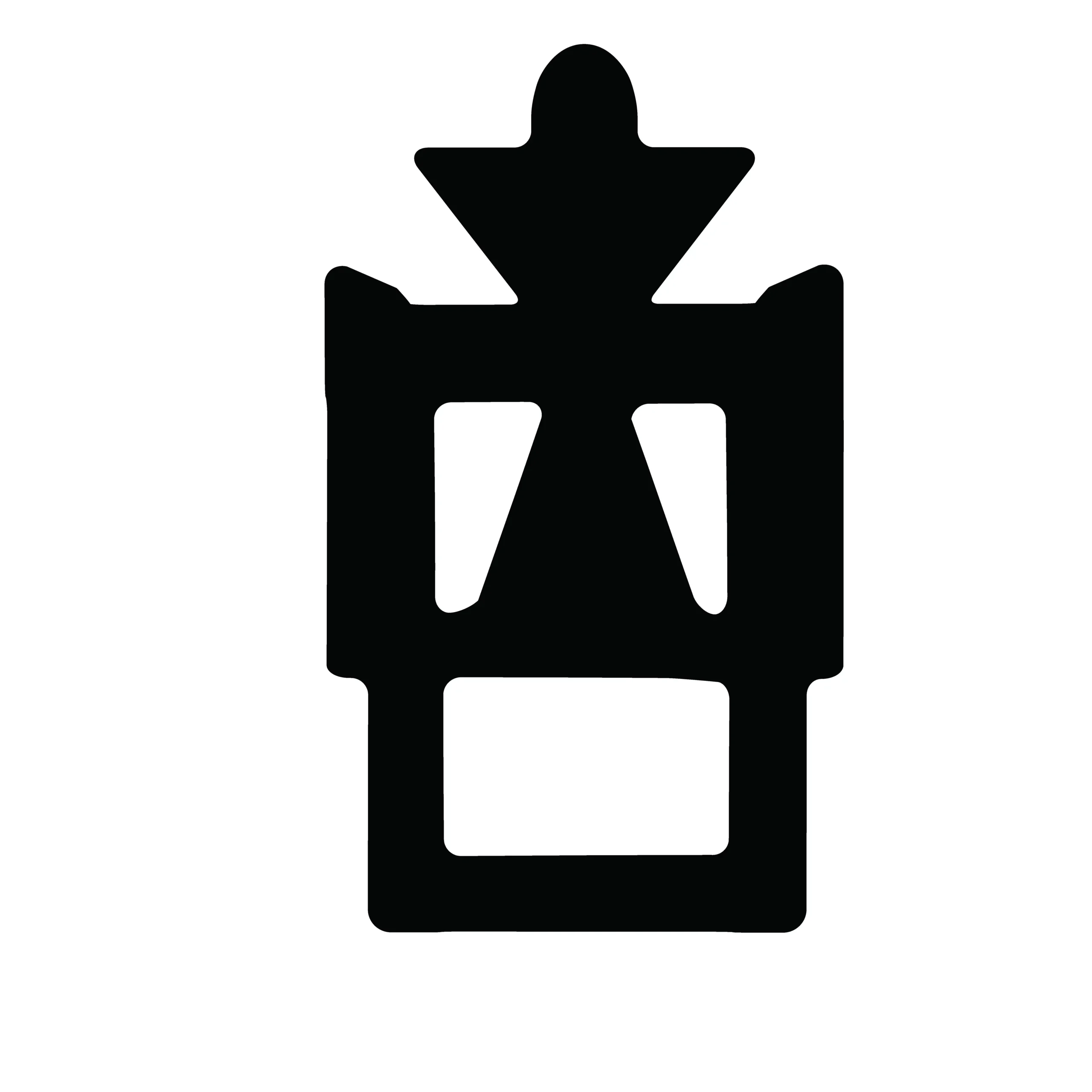 88. Gye W’Ani |
“Enjoy yourself” – Symbol of Enjoyment, Celebration.
This symbol represents the importance of joy, relaxation, and finding happiness in life. It encourages a positive outlook, self-care, and the appreciation of life’s moments.
Read the full Gye W’Ani guide . |
 89. Kokuromotie |
“Thumb” – This symbol represents dependability, strength, and trustworthiness. It signifies the importance of being reliable, standing firm in commitments, and the readiness to take action when needed.
Read the full Kokuromotie guide . |
 90. Kramo Bone |
“Bad Mohammedan” – This symbol represents the dangers of false appearances and dishonesty. It serves as a reminder to act with integrity and sincerity, emphasizing that true character is revealed through actions, not just words.
Read the full Kramo Bone guide . |
 91. Kyemfere |
“Potsherds” – This symbol represents resilience, perseverance, and the wisdom gained through experience. It serves as a reminder that true strength comes from patience and the ability to withstand life’s challenges.
Read the full Kyemfere guide . |
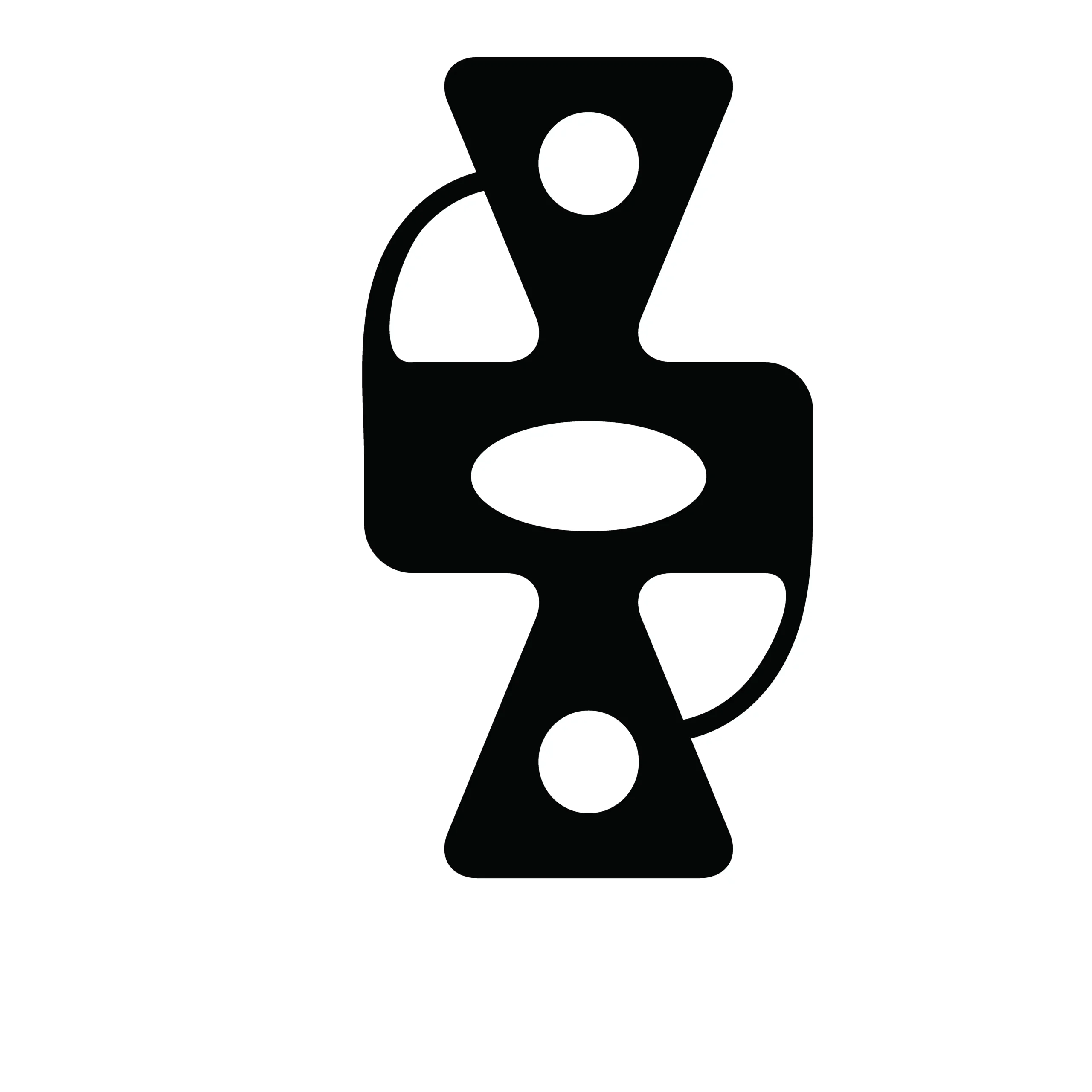 92. Mekyia Wo |
“I salute you” – Symbol of Respect. This symbol represents respect, acknowledgment, and the importance of recognizing others. It emphasizes the cultural value of greetings and the act of showing respect and care to those around you.
Read the full Mekyia Wo guide . |
 93. Mmara Krado |
“Seal of law” – Symbol of Justice. This symbol represents the importance of justice, fairness, and adherence to law. It signifies discipline, moral integrity, and the idea that the path to righteousness is guided by laws and principles.
Read the full Mmara Krado guide . |
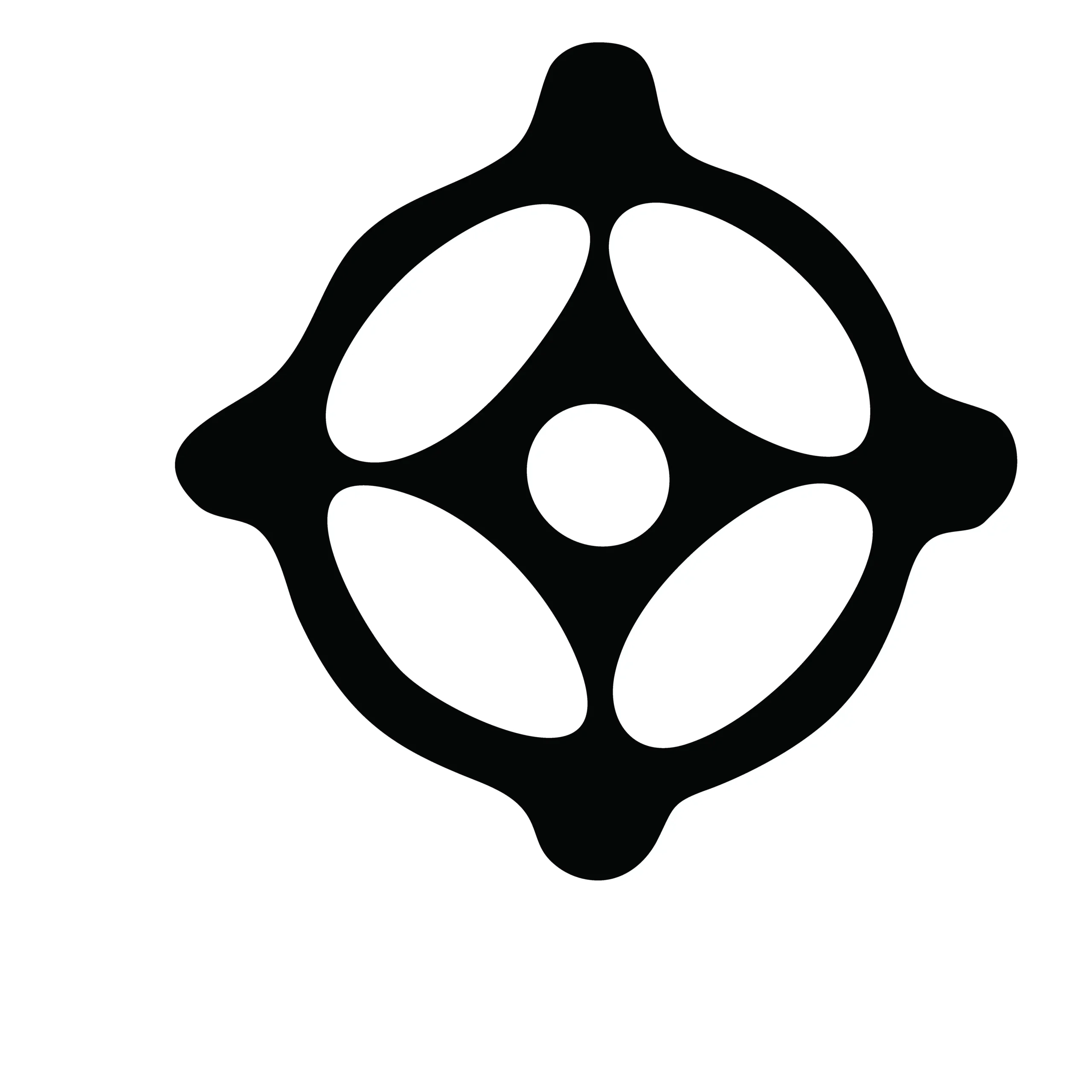 94. Mo No Yo |
“Congratulations” – Symbol of Recognition. This symbol represents acknowledgment, honor, and celebration of achievement.
Read the full Mo No Yo guide . |
 95. Mpuankron |
“Nine tufts of hair” – This symbol represents participatory democracy and disapproval of dictatorship, highlighting the importance of shared power and collective decision-making.
Read the full Mpuankron guide . |
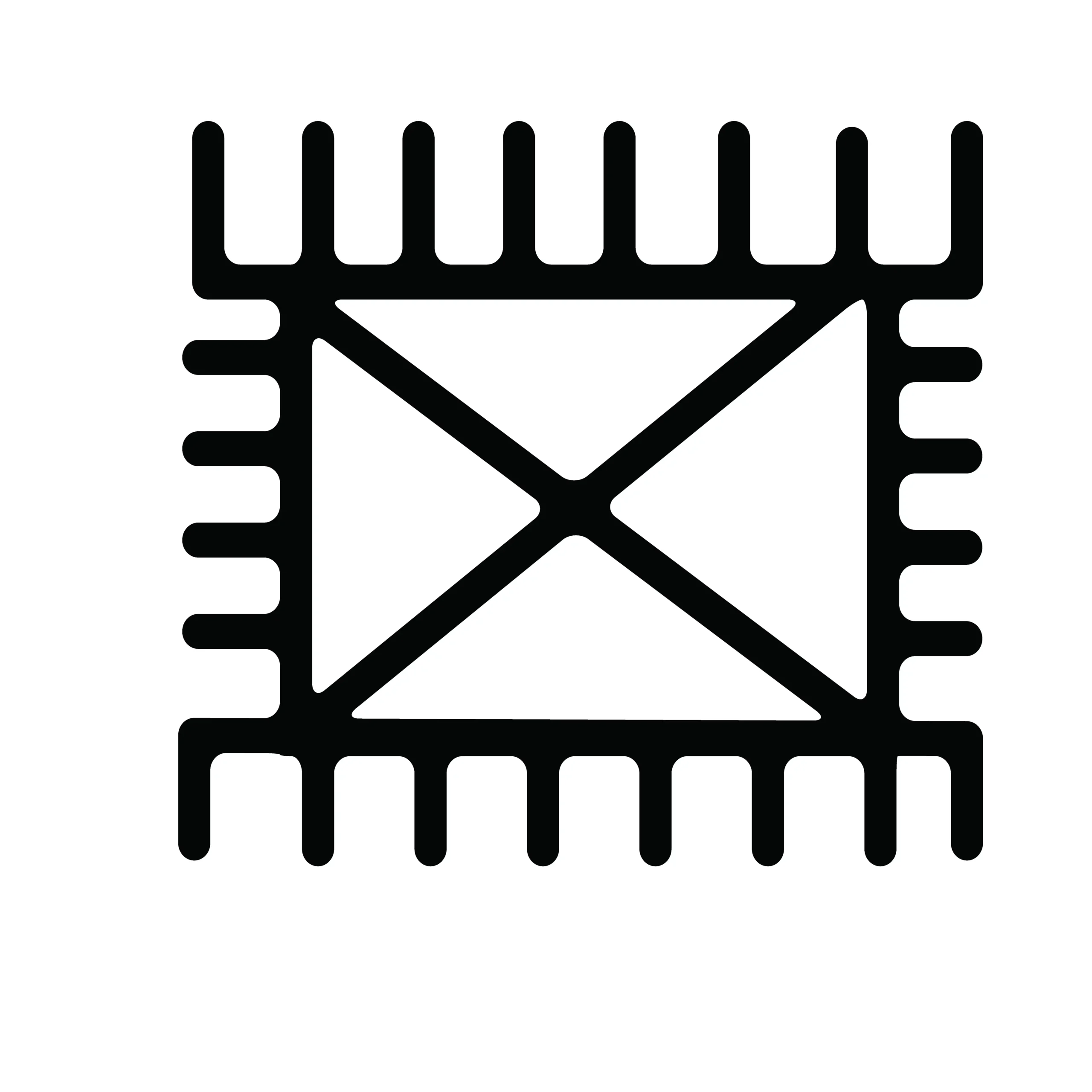 96. Mrammuo |
“Crossing paths” – This symbol represents the interconnection of lives and the unexpected encounters that shape our journey. It signifies the idea that every meeting and crossing of paths has a purpose.
Read the full Mrammuo guide . |
 97. Nante Yie |
“Goodbye / Walk well” – Symbol of Farewell. This symbol represents parting ways with the expectation of a new chapter, encouraging resilience and optimism.
Read the full Nante Yie guide . |
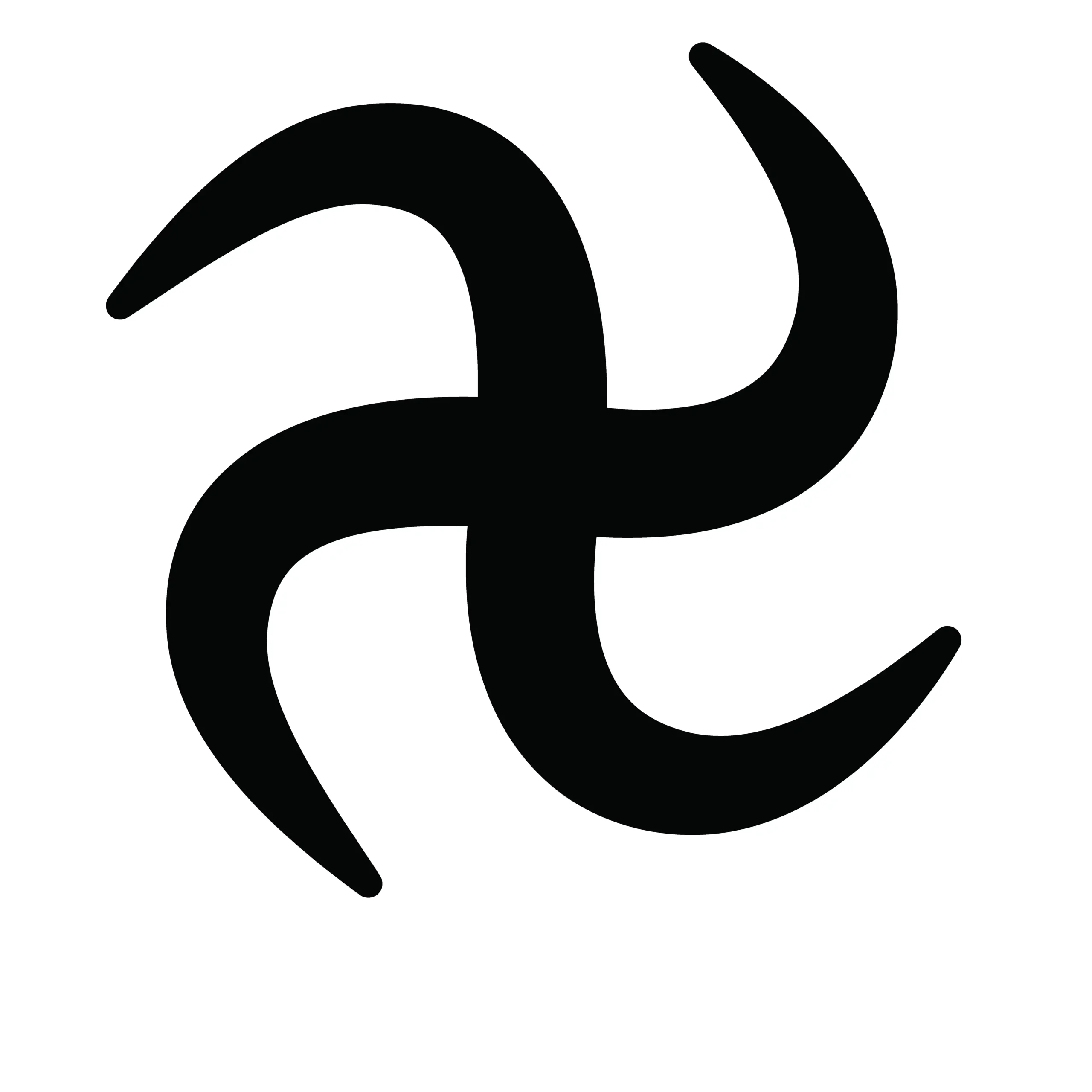 98. Nkotimsefo Mpua |
“Court attendants’ hairstyle” – This symbol represents dignity, respect, and service in royal or leadership settings.
Read the full Nkotimsefo Mpua guide . |
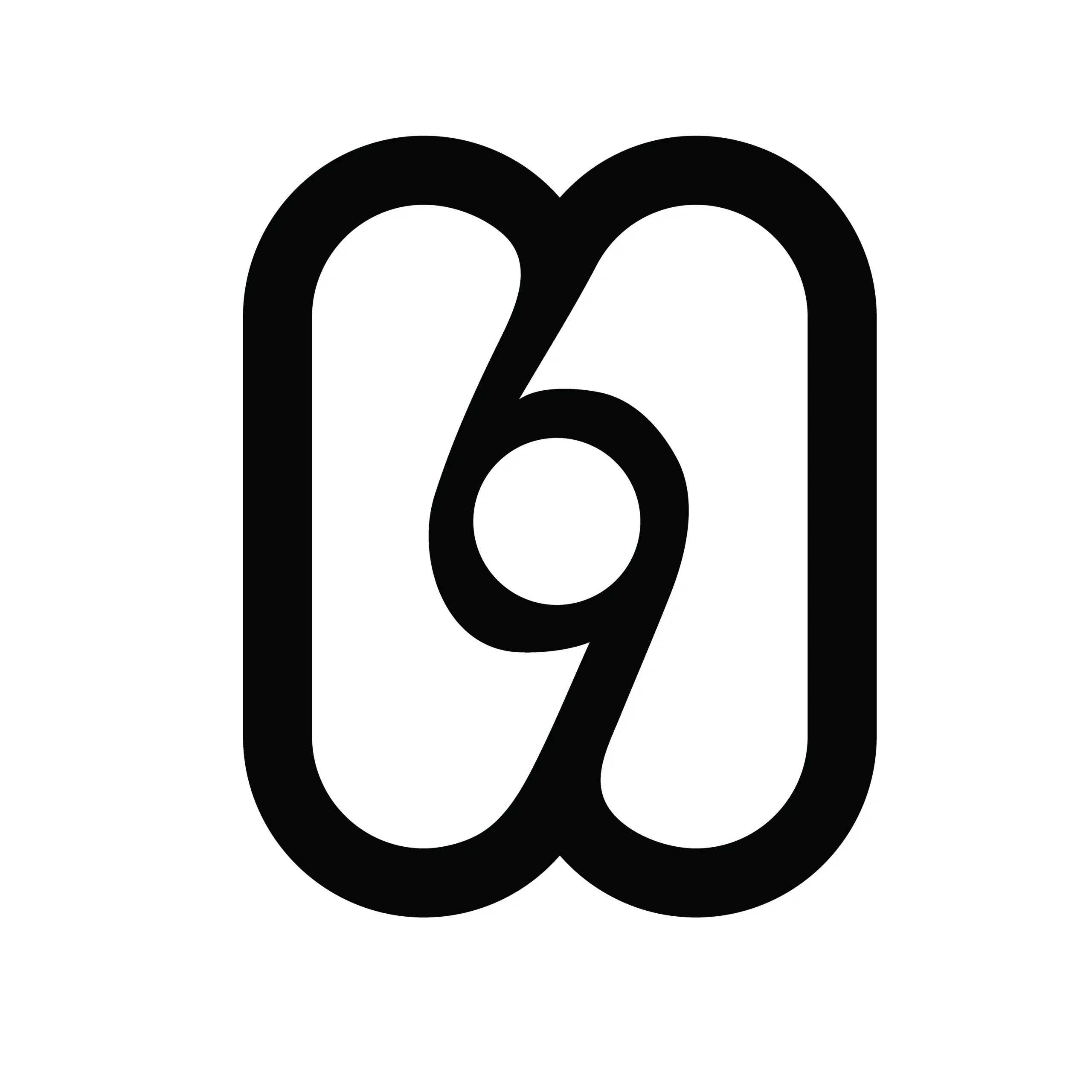 99. Nkrabea |
“Destiny” – Symbol of Destiny. This symbol represents life’s path, purpose, and the journey ahead.
Read the full Nkrabea guide . |
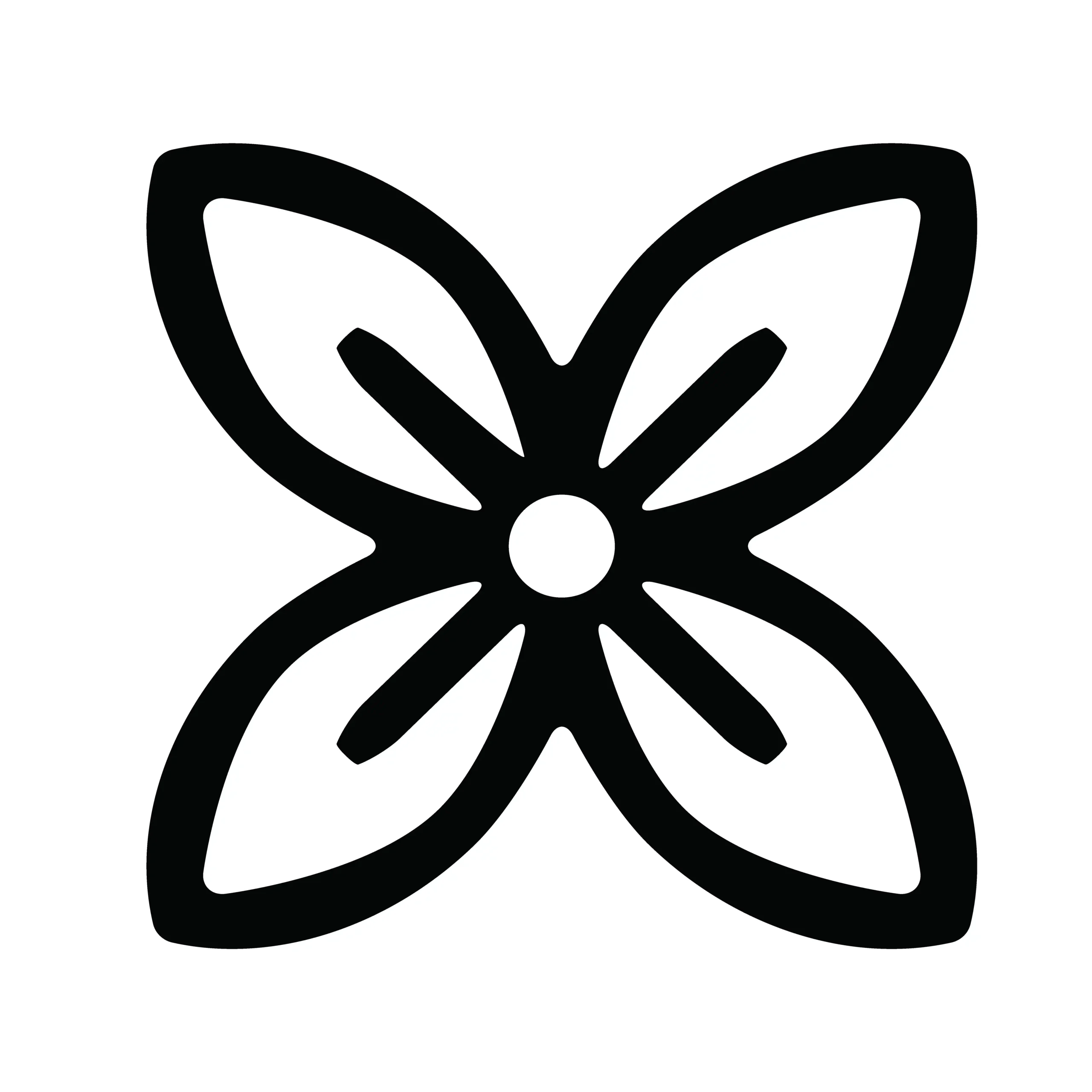 100. Nkuruma Kesee |
“Big okra” – This symbol represents fertility, sustenance, and the promise of a bountiful harvest.
Read the full Nkuruma Kesee guide . |
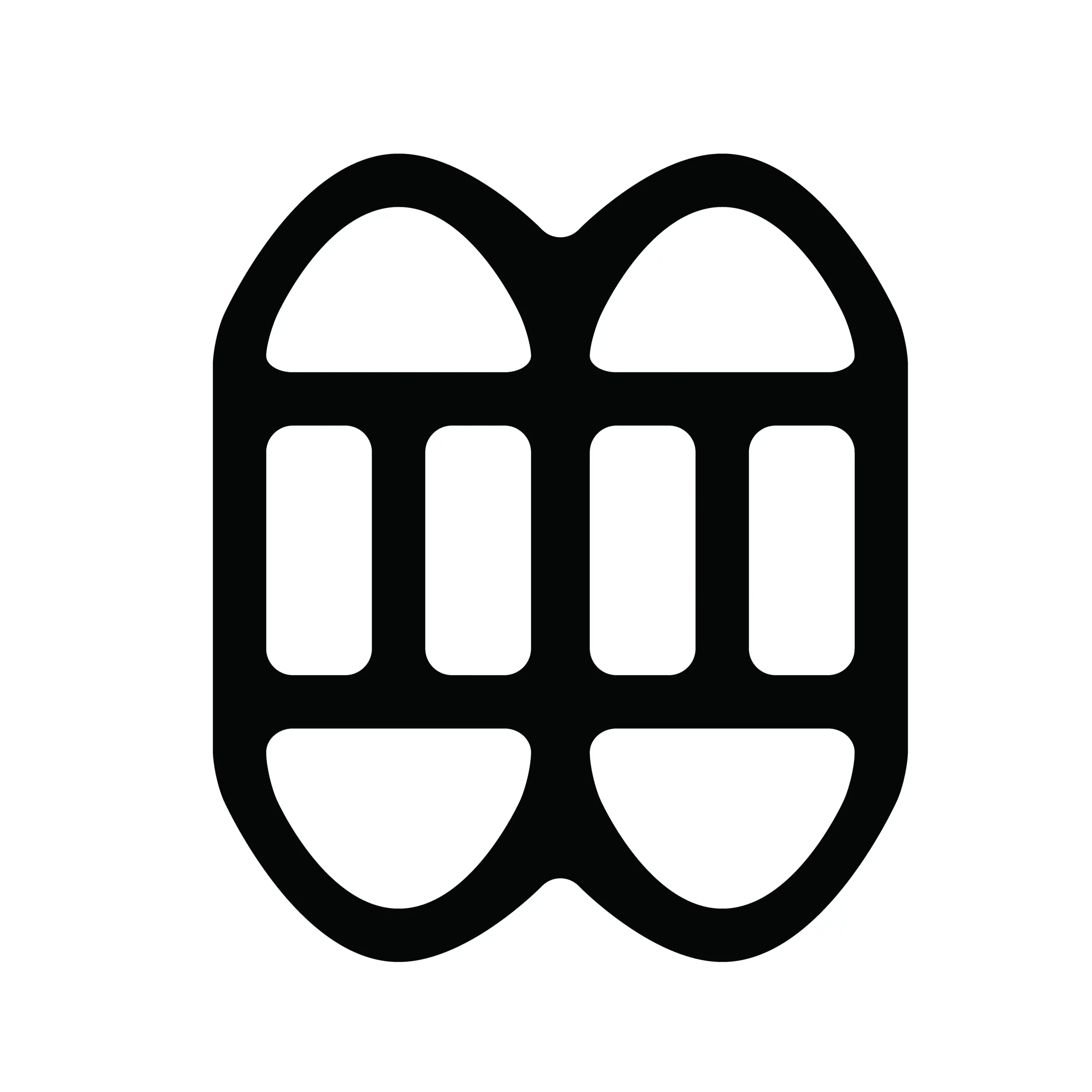 101. Nnampo Pa Baanu |
“Two good friends” – A symbol of friendship and interdependence, highlighting unity and mutual reliance.
Read the full Nnampo Pa Baanu guide . |
 102. Nokore |
“Truth” – Symbol of Truth. This symbol represents integrity, honesty, and authenticity.
Read the full Nokore guide . |
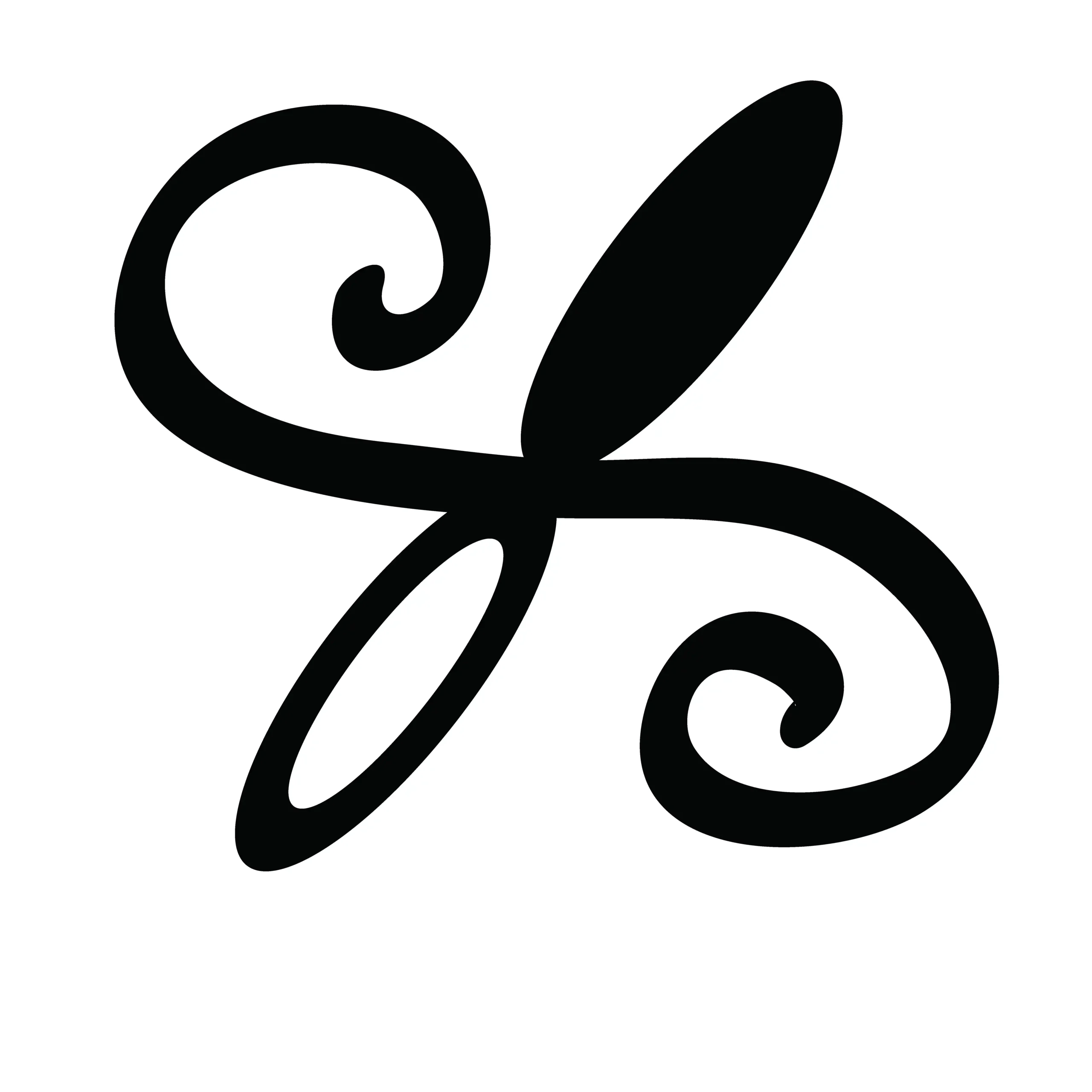 103. Nsa Ko, Na Nsa Aba |
“Hand go, hand come” – Symbol of Help and Support. It emphasizes reciprocity and mutual benefit.
Read the full Nsa Ko, Na Nsa Aba guide . |
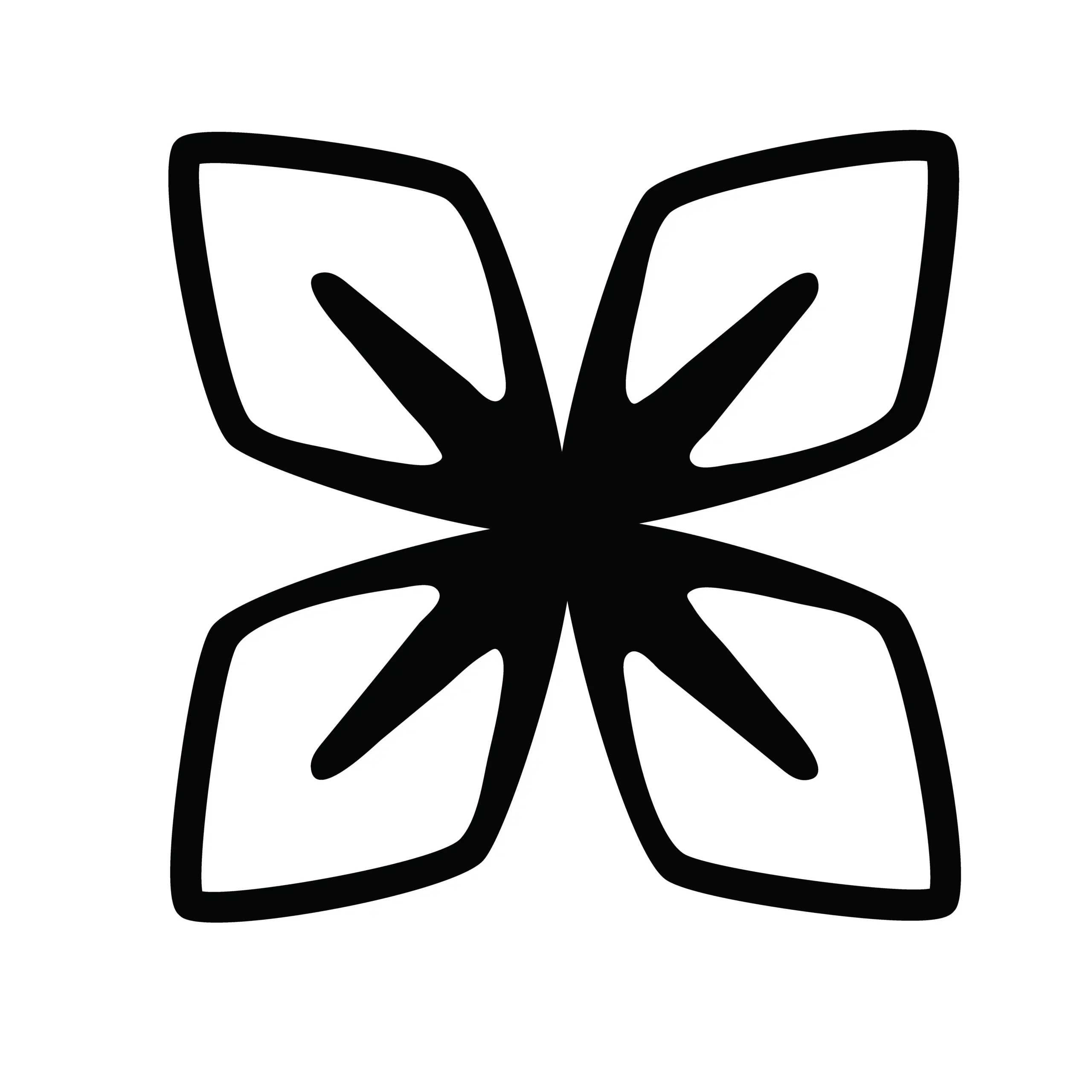 104. Nserewa |
“Cowry shells” – Symbol of Abundance and Wealth.
Read the full Nserewa guide . |
 105. Nya Gyidie |
“Have faith” – Symbol of Faith and Hope.
Read the full Nya Gyidie guide . |
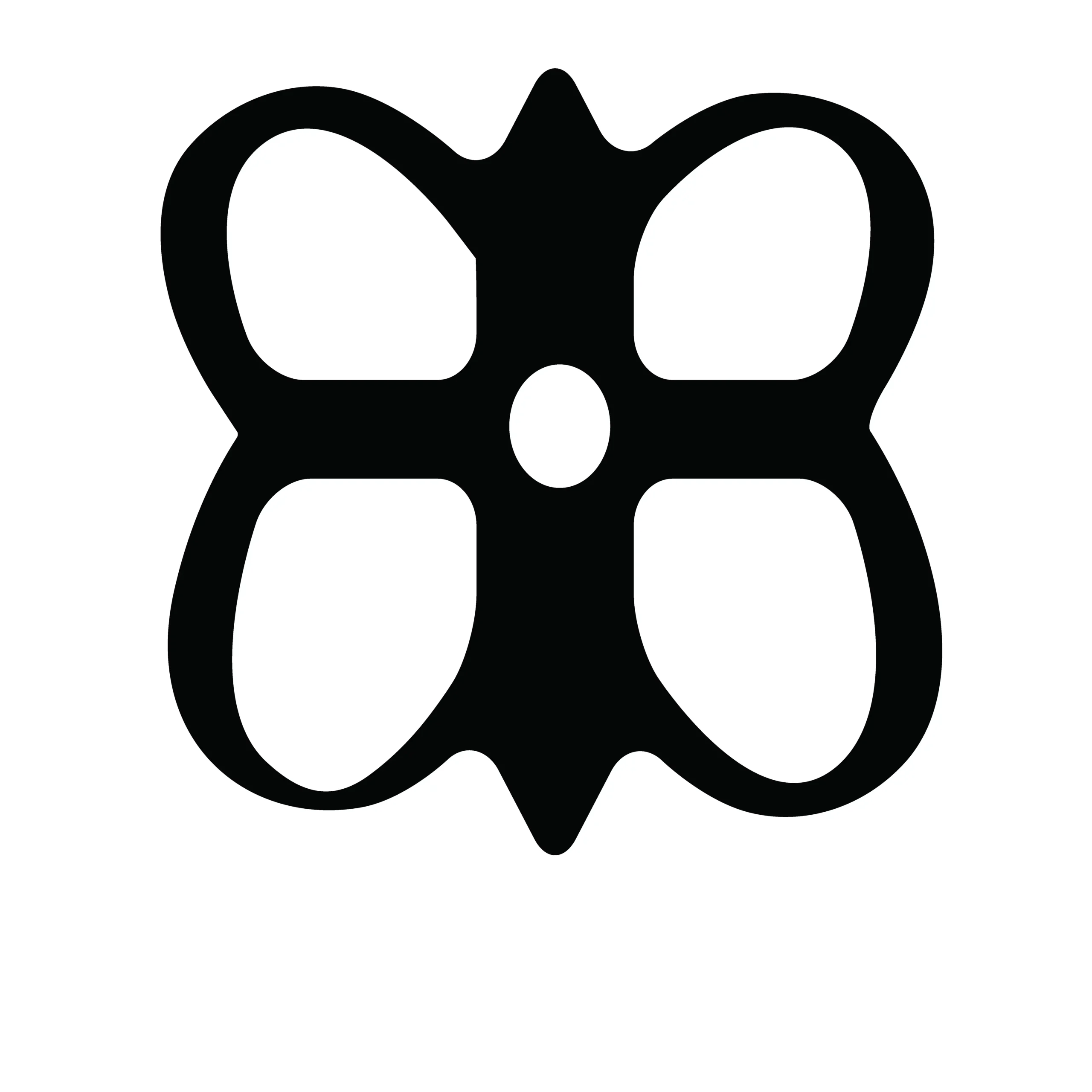 106. Obaatan Awaamu |
“Warm embrace of mother” – Symbol of Compassion and Motherly Love.
Read the full Obaatan Awaamu guide . |
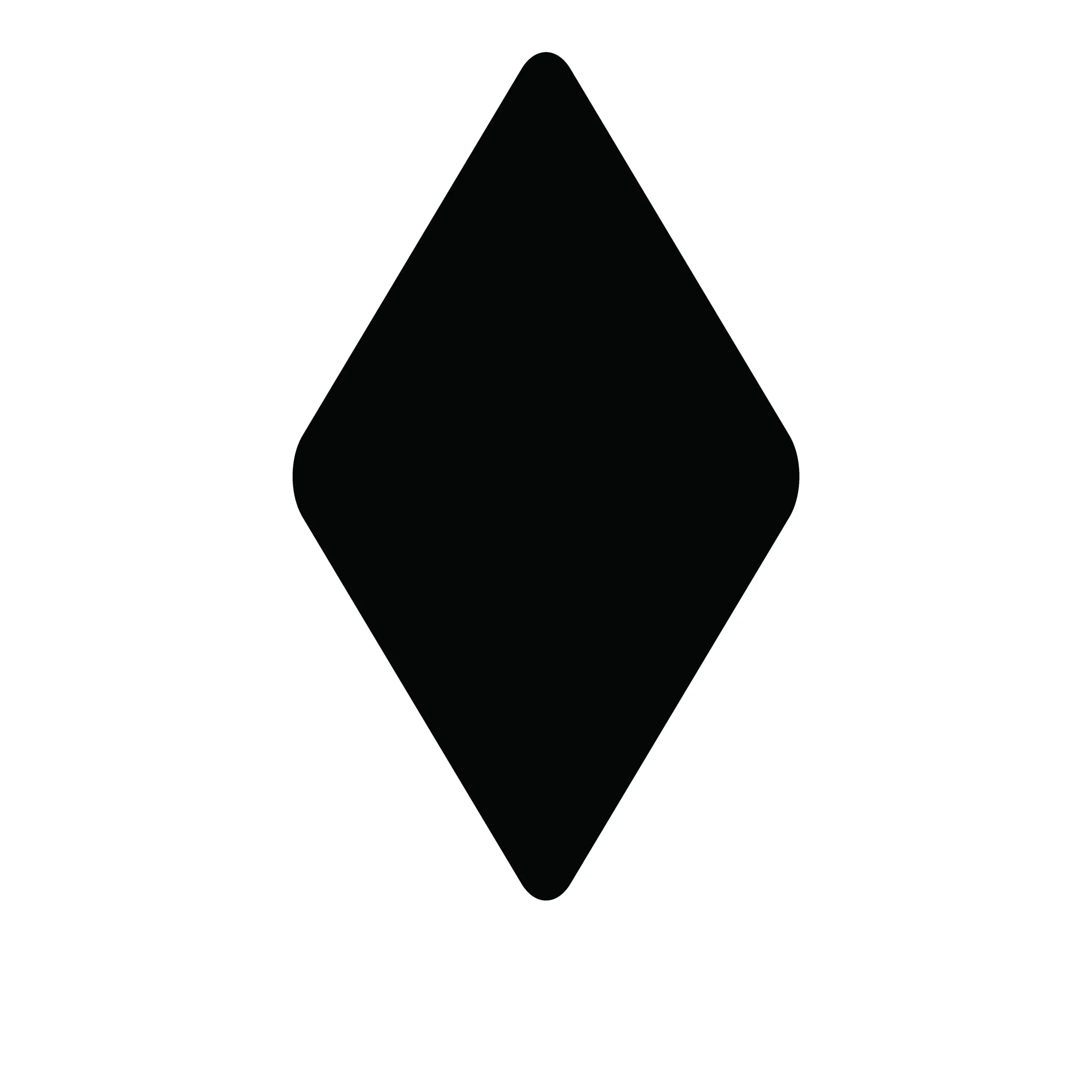 107. Obohemmaa |
“Diamond” – Symbol of preciousness, resilience, and rare beauty.
Read the full Obohemmaa guide . |
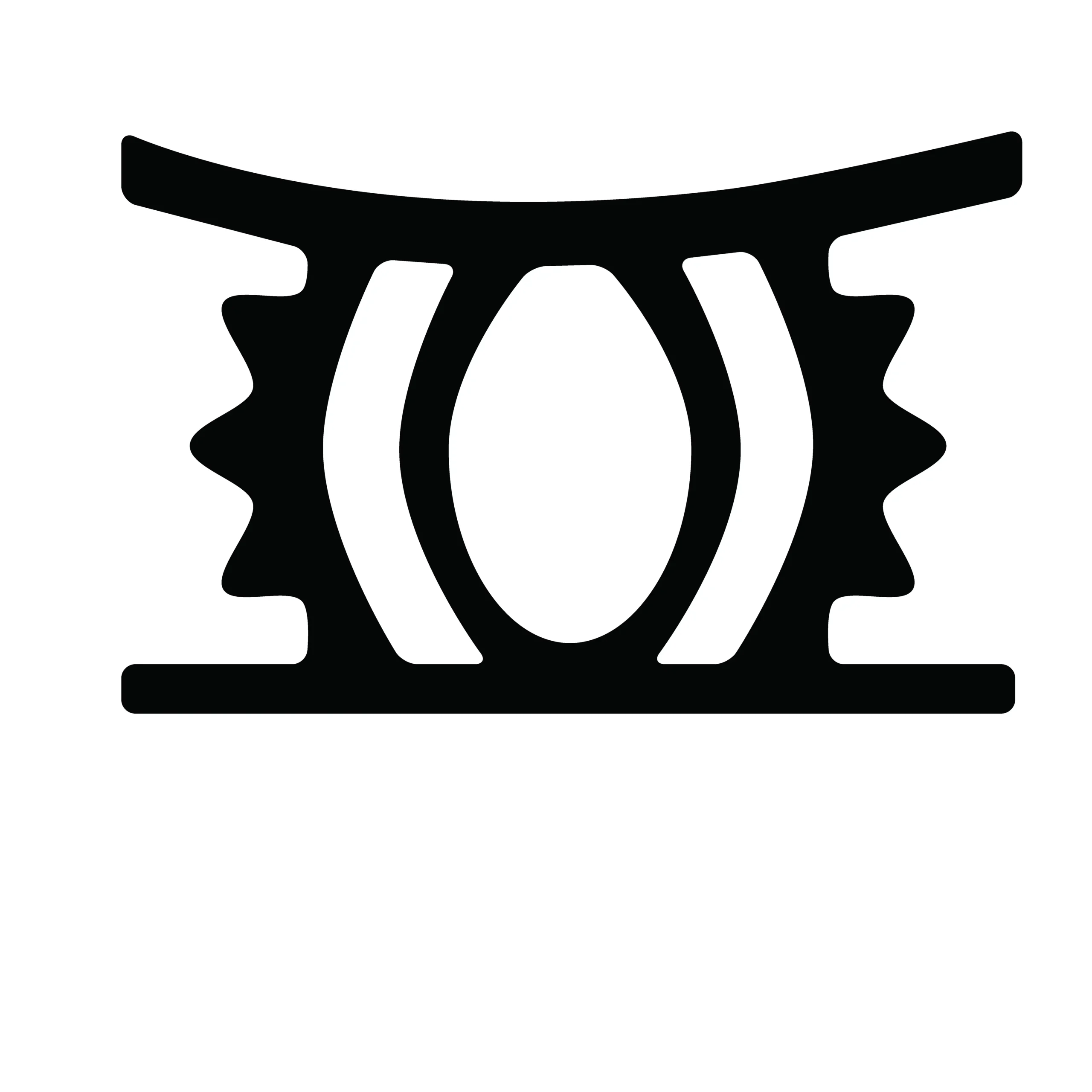 108. Ohene Adwa |
“King’s stool” – Symbol of Authority and Leadership.
Read the full Ohene Adwa guide . |
 109. Ohene Aniwa |
“King’s eyes” – Symbol of Leadership and Vision.
Read the full Ohene Aniwa guide . |
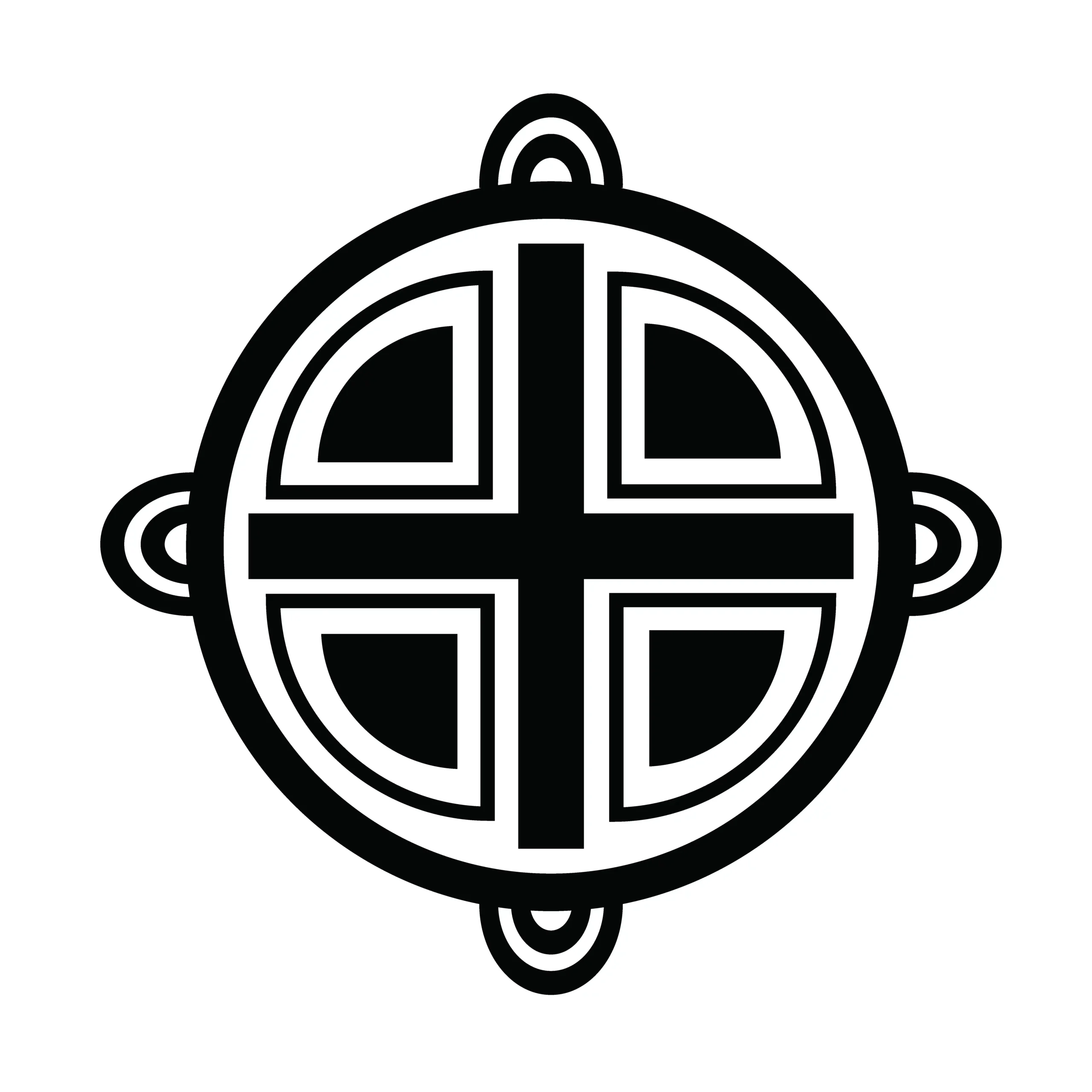 110. Ohene Kra Konmunde |
“Royal soul pendant” – Symbol of the royal soul and divine authority.
Read the full Ohene Kra Konmunde guide . |
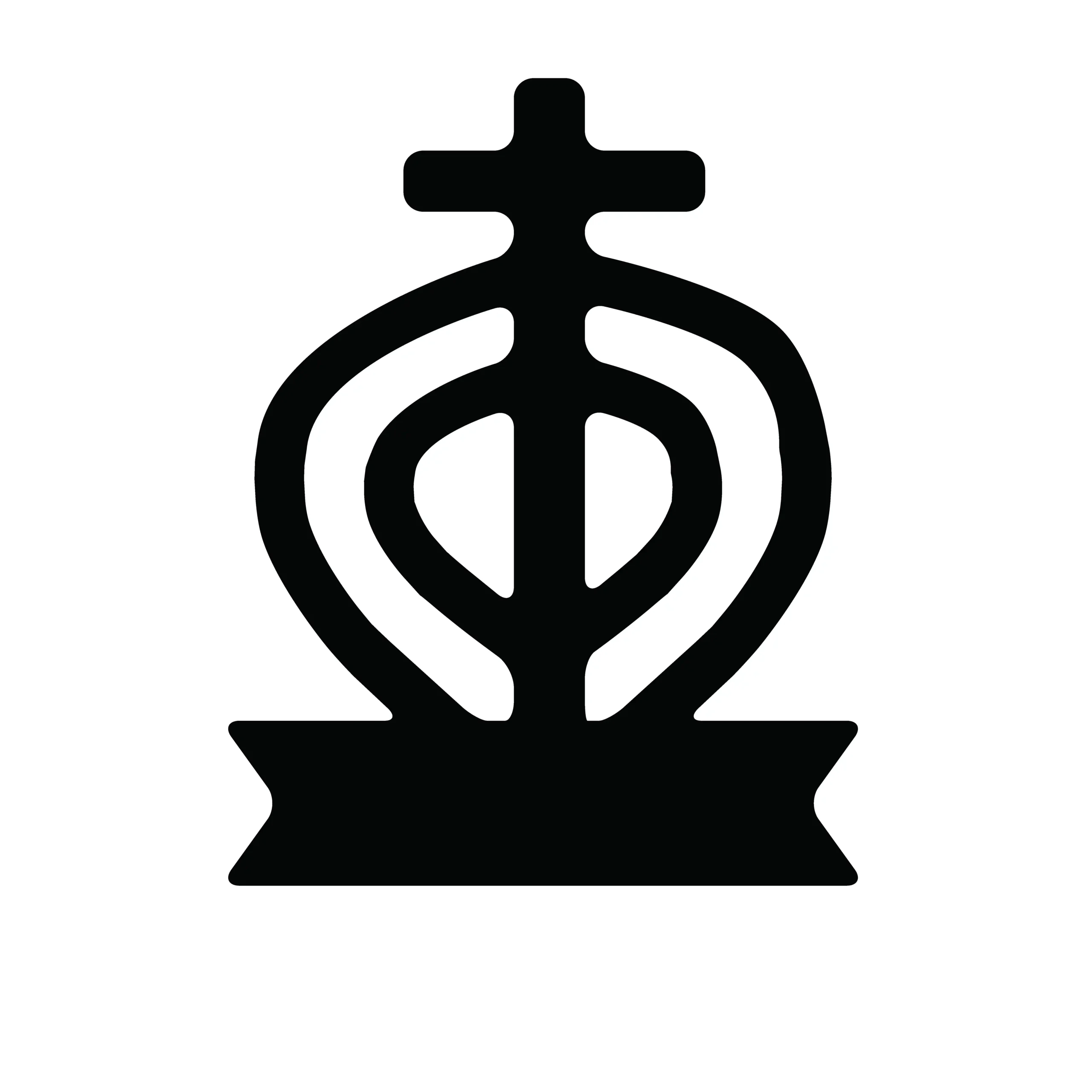 111. Ohene Kye |
“King’s crown” – Symbol of leadership and responsibility.
Read the full Ohene Kye guide . |
 112. Ohene Kyiniie |
“King’s umbrella” – Symbol of leadership and protection.
Read the full Ohene Kyiniie guide . |
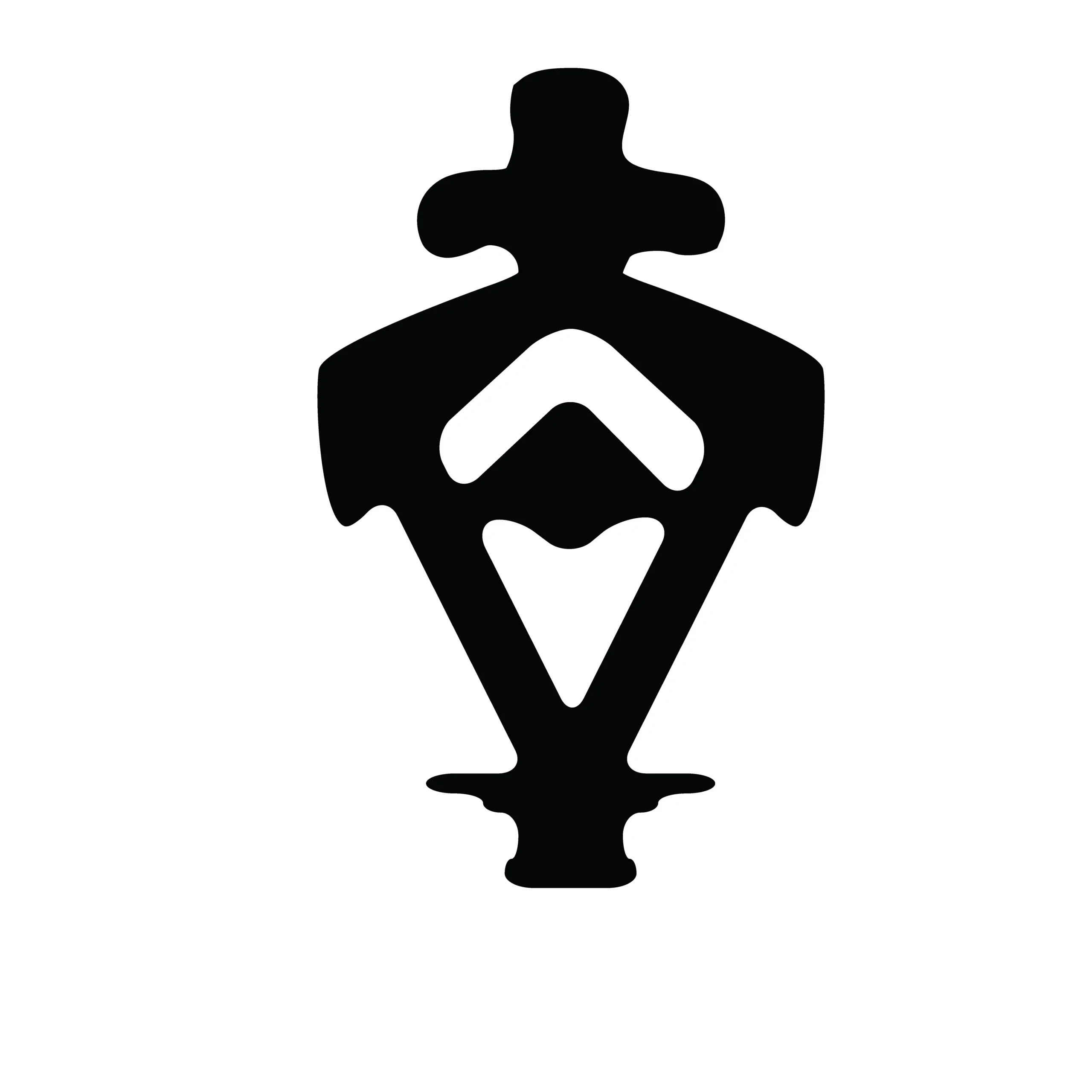 113. Ohene Papa |
“Good king” – Symbol of good governance, justice, and wise leadership.
Read the full Ohene Papa guide . |
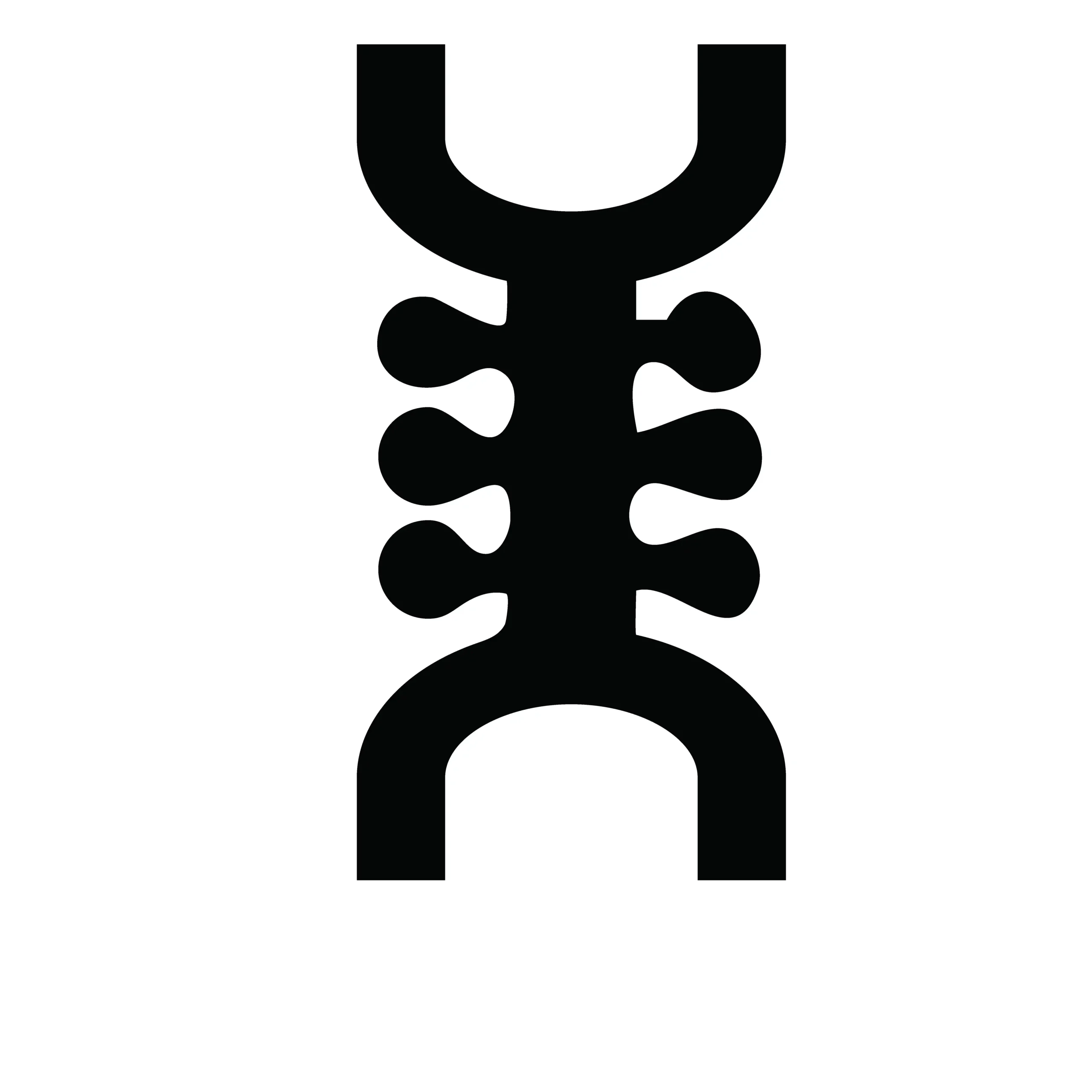 114. Osiadan Nyame |
“God the builder” – Symbol of God as creator and protector.
Read the full Osiadan Nyame guide . |
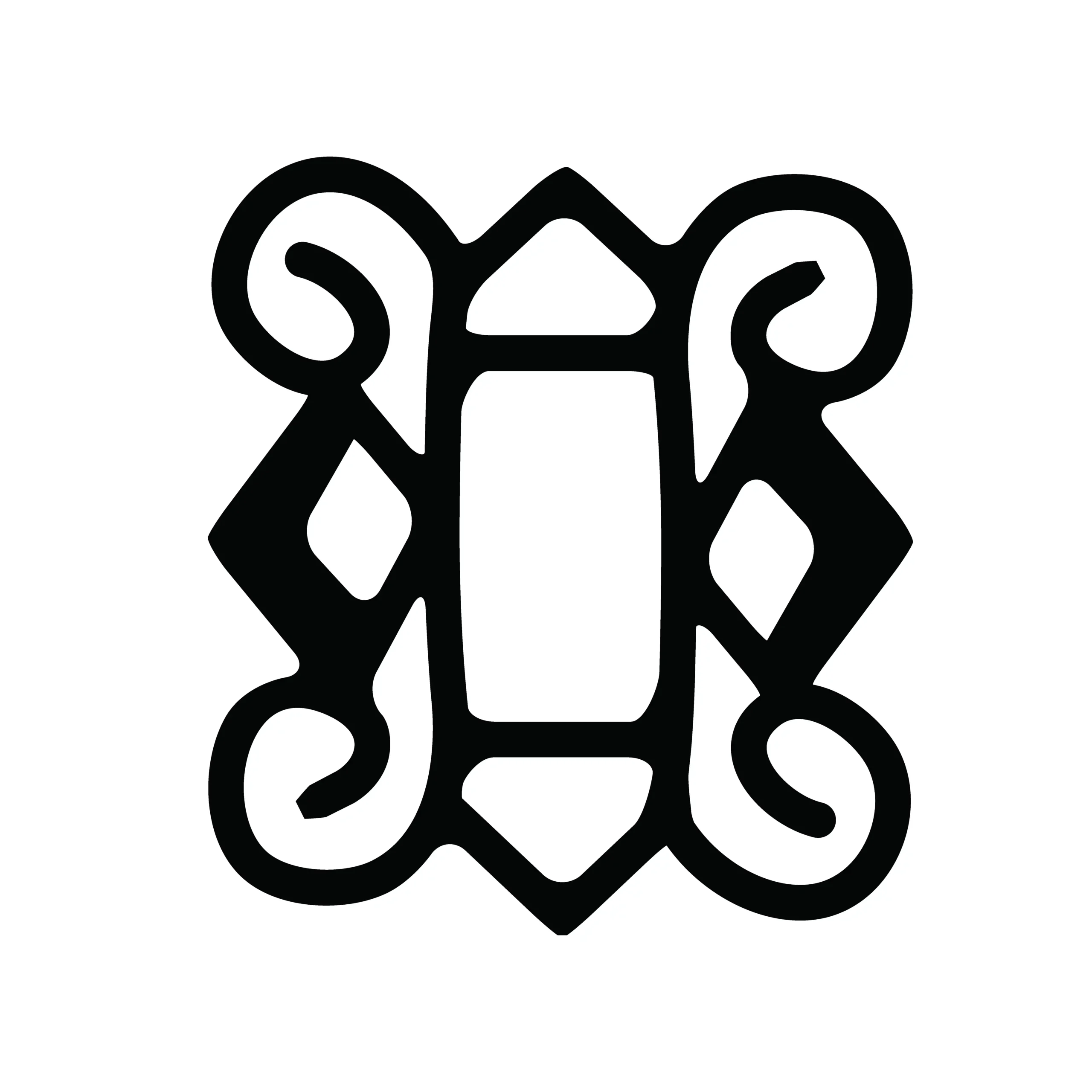 115. Otumfuo Wuo Ye Ya |
“The king is gone” – Symbol of the pain of a king’s death and the weight of his legacy.
Read the full Otumfuo Wuo Ye Ya guide . |
 116. Owia A Repue |
“Rising sun” – Symbol of a new dawn and hope.
Read the full Owia A Repue guide . |
 117. Pagya |
“Strikes fire” – Symbol of transformation and strength, the spark that ignites change.
Read the full Pagya guide . |
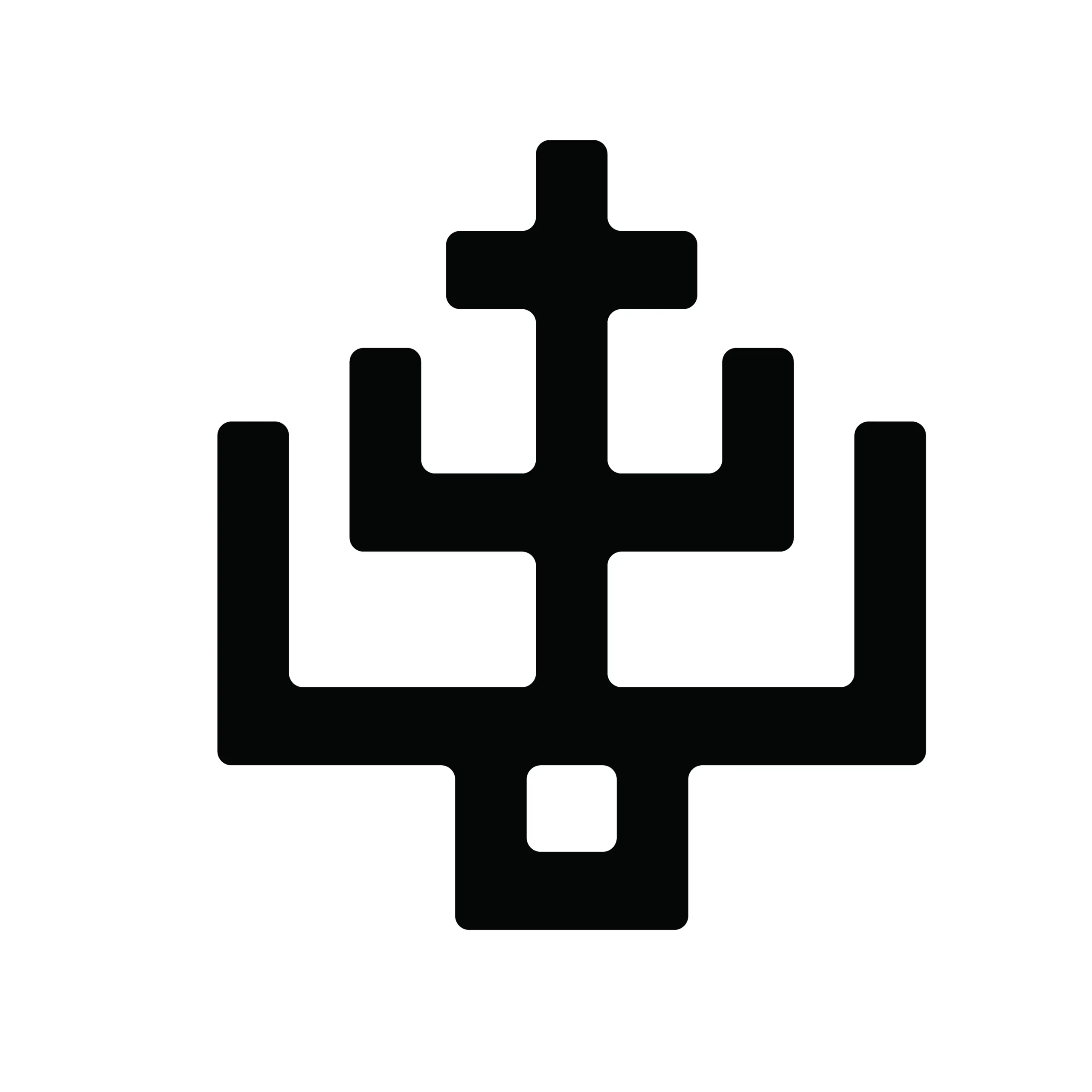 118. Som Onyankopon |
“Worship God” – Symbol of worship and devotion to God.
Read the full Som Onyankopon guide . |
 119. Sunsum |
“The soul” – Symbol of spirit and the essence of life.
Read the full Sunsum guide . |
 120. Tabono |
“Oars” – Symbol of strength, hard work, and perseverance.
Read the full Tabono guide . |
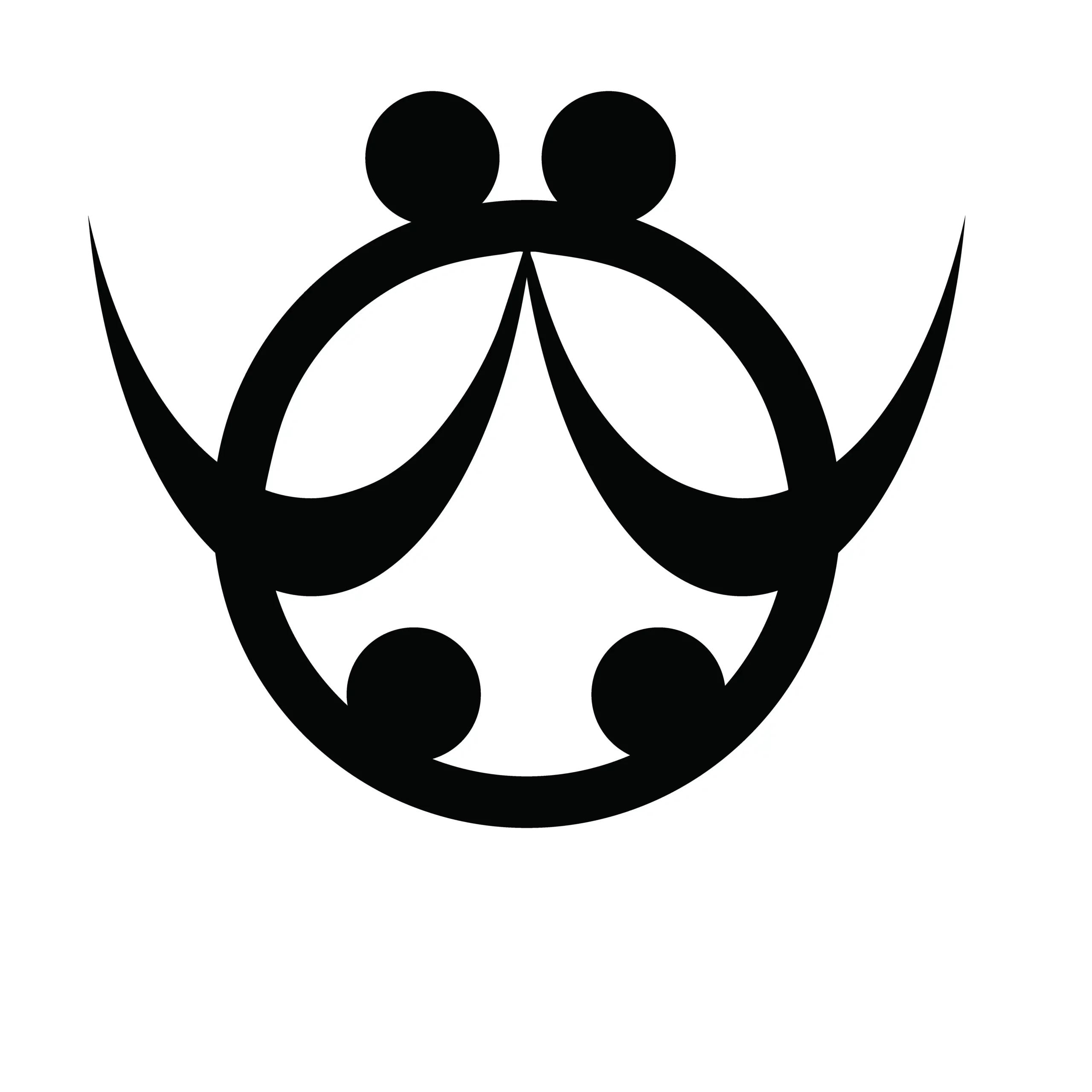 121. Ti Koro Nko Agyina |
“One head is not a council” – Emphasizing the importance of cooperation and teamwork.
Read the full Ti Koro Nko Agyina guide . |
 122. Tumi Te Se Kusua |
“Power is like an egg” – Symbol of power and fragility.
Read the full Tumi Te Se Kusua guide . |
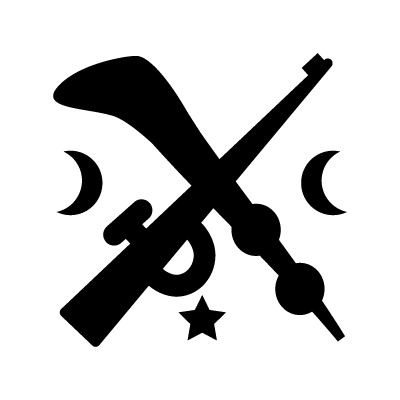 123. Tuo Ne Akofena |
“Gun and state sword” – Symbol of strength and protection.
Read the full Tuo Ne Akofena guide . |
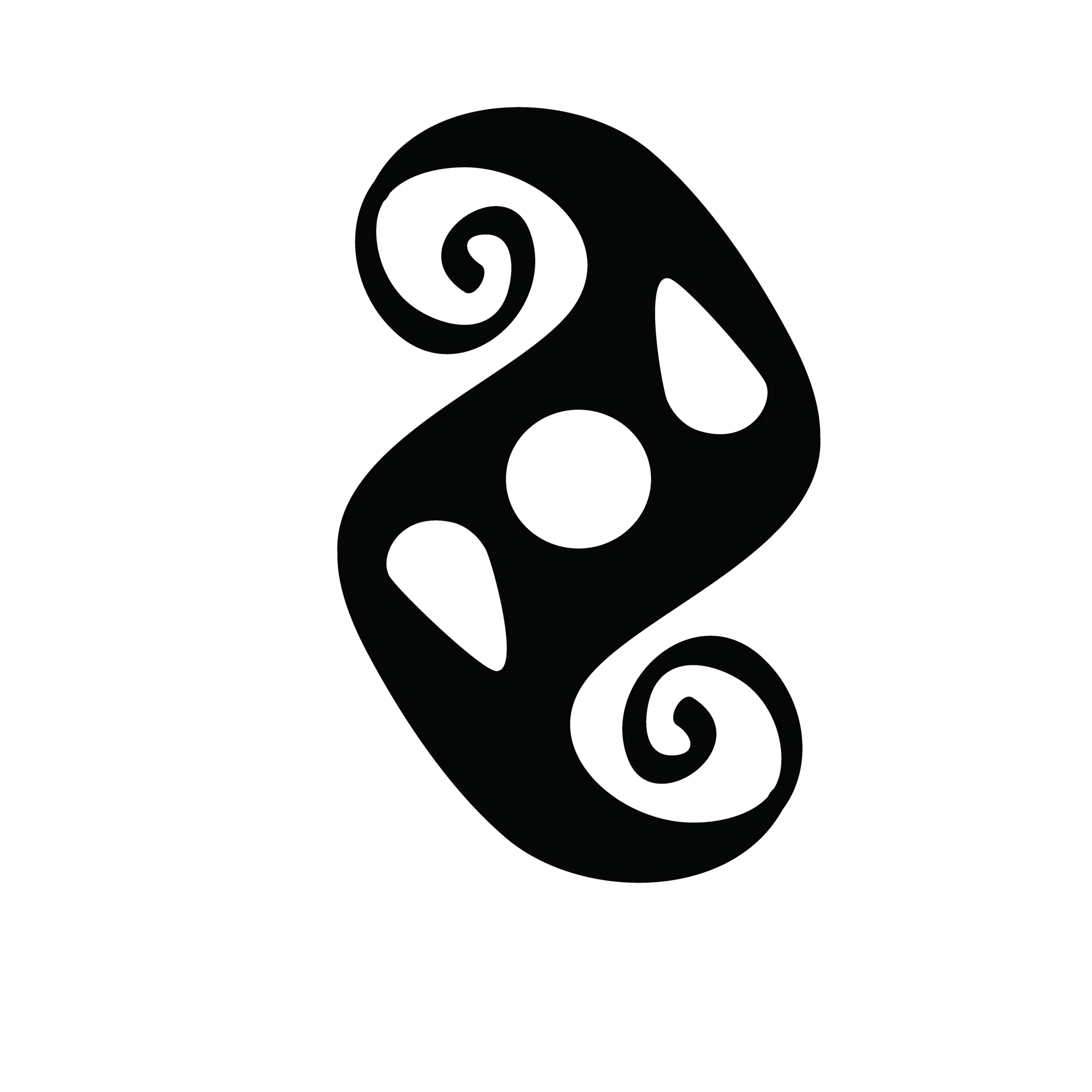 124. Yebehyia Bio |
“We will meet again” – Symbol of reunion and hope.
Read the full Yebehyia Bio guide . |
|
125. Nyansapo (Variant) |
Variation of the symbol of wise leadership, ingenuity, intelligence, and patience.
Read the full Nyansapo guide . |
 126. Owia Kokroko |
“The great sun” – Symbol of vitality, power, and leadership.
Read the full Owia Kokroko guide . |
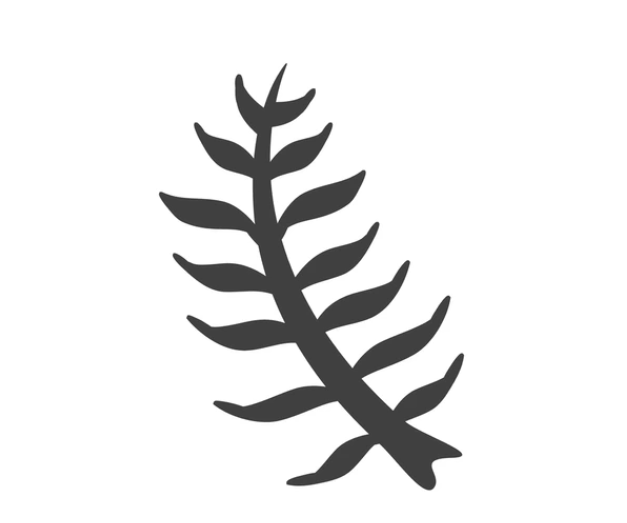 127. Adwera |
“Watery shrub” – Symbol of purity, peace, and sanctity.
Read the full Adwera guide . |
 128. Adinkrahene Dua |
“Pillar of the Adinkrahene” – Symbol of authority and greatness.
Read the full Adinkrahene Dua guide . |
 129. Ahoden |
“Strength, vitality” – Symbol of strength, resilience, and energy.
Read the full Ahoden guide . |
Subscribe to our email newsletter to get the latest posts delivered right to your email.
Comments