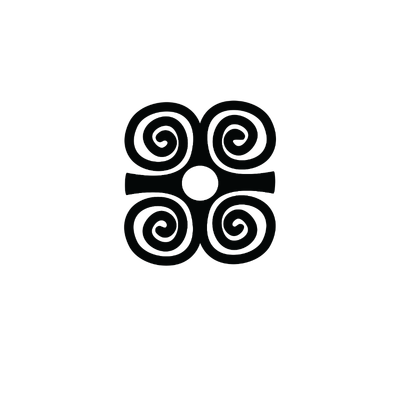
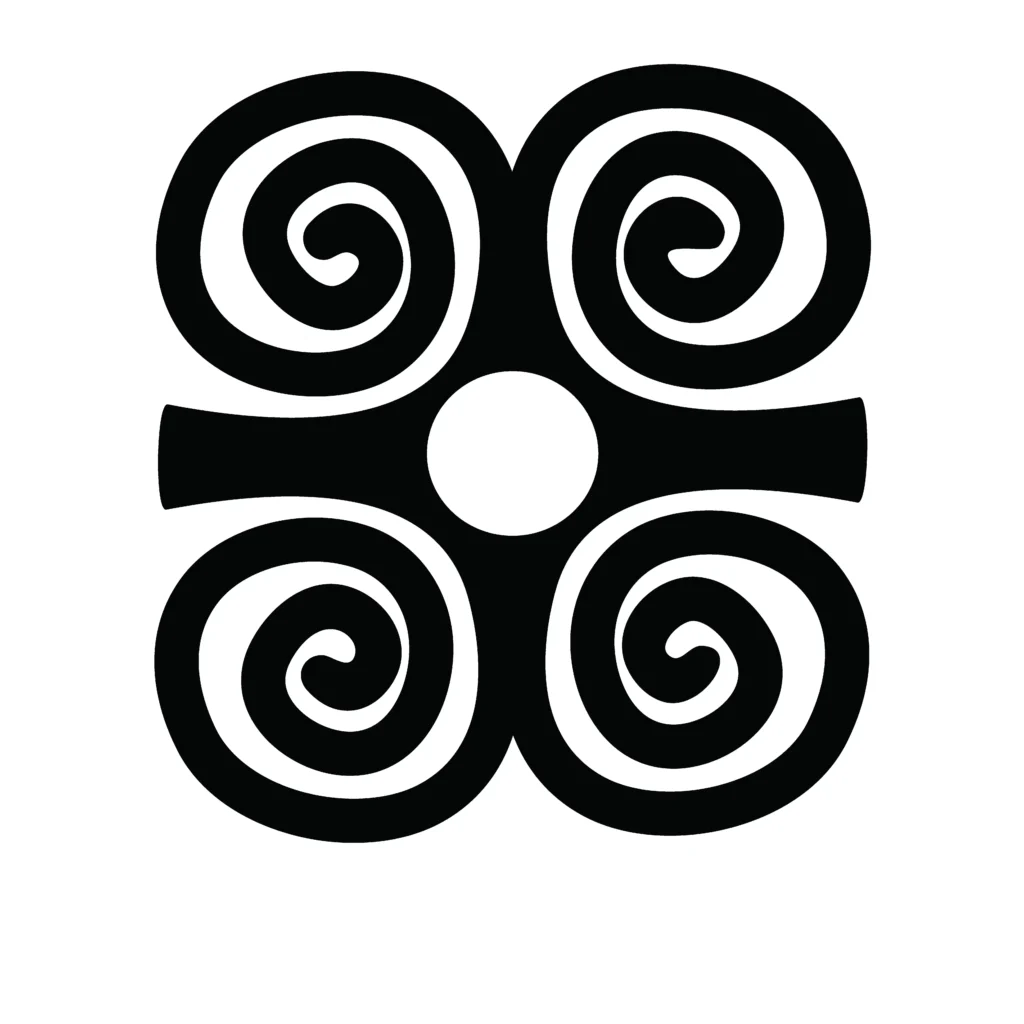
Dwennimmen represents humility, strength, and the balance between power and modesty. This symbol embodies the idea that true strength is rooted in humility and wisdom.

Pronunciation
Philosophical Significance
Dwennimmen translates to “Ram’s Horns”, symbolizing strength, humility, and the balance between power and modesty. The ram is known for its strength, and its curved horns give this quality a visible form, while the Adinkra interpretation pairs that strength with humility. This symbol teaches:
- The importance of humility – Modesty fosters respect and wisdom.
- The value of strength – Power must be balanced with humility.
- The role of balance – Combining strength and humility leads to true greatness.
The Dwennimmen symbol reminds us that true strength is rooted in humility.
Meaning Behind Dwennimmen
The Dwennimmen symbol conveys the belief that:
- Humility fosters respect and wisdom.
- Strength must be balanced with modesty.
- True greatness comes from combining power and humility.
Life Lessons from Dwennimmen
In life, Dwennimmen emphasizes that humility and strength are vital for true greatness. It encourages us to:
- Remain humble in the face of success and power.
- Balance strength with modesty and wisdom.
- Recognize that true greatness comes from humility.
This symbol teaches that true strength is rooted in humility and balance.
The ram’s horns give strength a recognizable shape. In a group, strength with humility might mean being able to settle a dispute yourself and still giving everyone a chance to speak.
An Akan textile held by the Detroit Institute of Arts contains sixteen designs, including ram’s horns and Gye Nyame. Its catalog explains that someone ordering a cloth could specify the messages they wanted included. Several symbols could therefore express different ideas on the same piece of fabric. See the stamped Akan textile at the Detroit Institute of Arts.
Okodee Mmowere uses an eagle’s talons to convey power and bravery. Ahoden focuses on strength and vitality more broadly.
For more insights into Adinkra symbols and their meanings, explore our Adinkra symbols and meanings guide.
Where you’ll see Dwennimmen
The Detroit Institute of Arts identifies the ram’s horns among 16 stamped designs on an Akan cloth. The same textile also includes Gye Nyame. View the Akan cloth.
Subscribe to our email newsletter to get the latest posts delivered right to your email.
Comments